https://shop.fervogear.com/cart

McLaren Reveals Clever Trick on Upgraded Red Bull Car

Highlights
- McLaren’s Andrea Stella praises Red Bull’s innovative sidepod design.
- Red Bull’s RB22 sidepods exploit regulatory leeway for aerodynamic edge.
- The design contrasts with Mercedes, Ferrari, and McLaren layouts.
- Technical variety expected until aerodynamic designs stabilize around 2025.
- Teams will analyze and adapt to Red Bull’s sidepod innovations.
- Miami GP highlighted evolving Formula 1 regulations and development battles.
McLaren team principal Andrea Stella highlights Red Bull’s standout RB22 sidepod during the Miami Grand Prix weekend, calling it “very interesting” and a smart exploitation of the current regulations.
The concept departs markedly from the approaches of Mercedes, Ferrari, and McLaren. Despite widespread upgrades in Miami, Stella singles out Red Bull’s sidepod geometry as the most distinctive change.

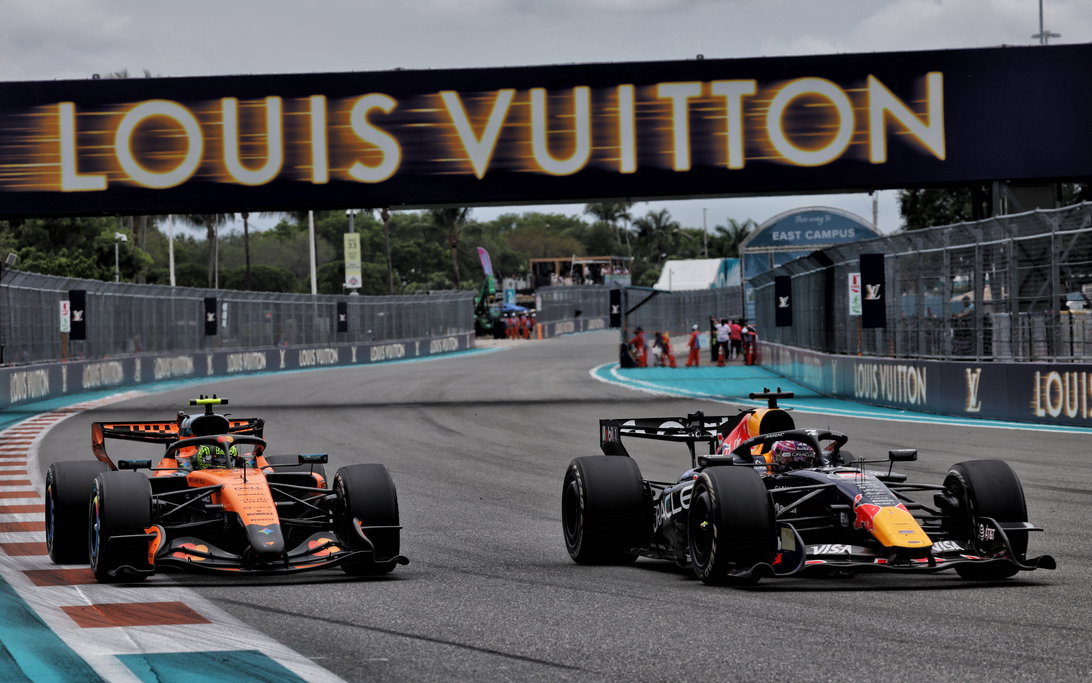
Red Bull’s package includes a fresh take on Ferrari’s so‑called “Macarena” rear wing, yet the sidepod profile best shows the team exploiting regulatory leeway for cleaner, more efficient airflow.
Stella calls Red Bull’s sidepod “very interesting,” labelling the approach smart and innovative.
Stella describes the Milton Keynes group as “smart and innovative,” arguing the configuration unlocks aerodynamic efficiency that rivals will benchmark and attempt to quantify in the coming events.
He frames the field as still exploratory under the ground‑effect rules, with concepts diverging as teams trade off cooling, flow conditioning, and downforce generation across different ride‑height windows.
Design convergence remains distant; meaningful standardisation may not arrive until 2025.
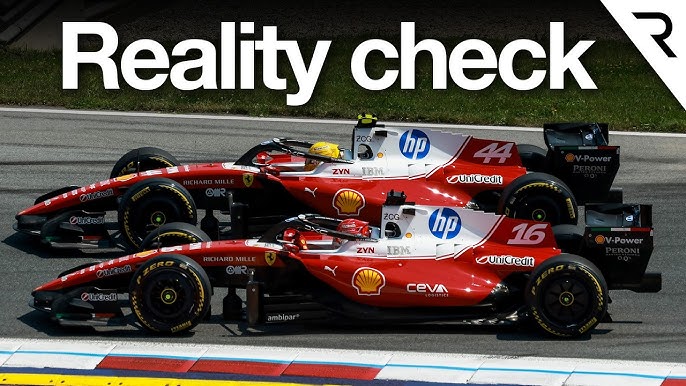
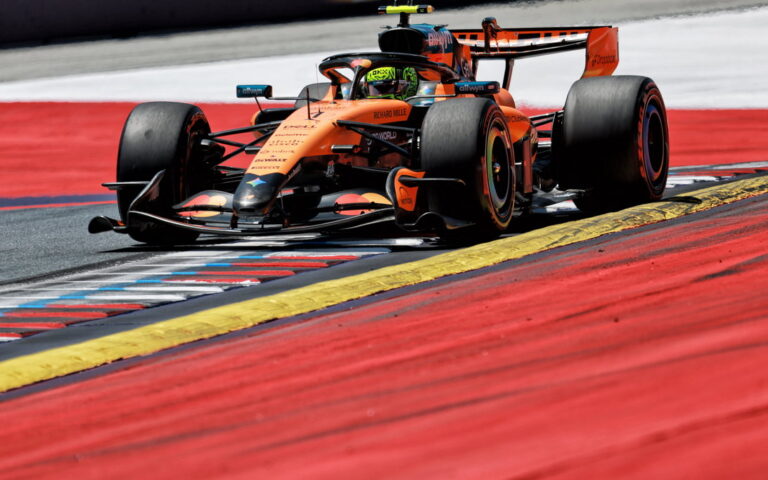
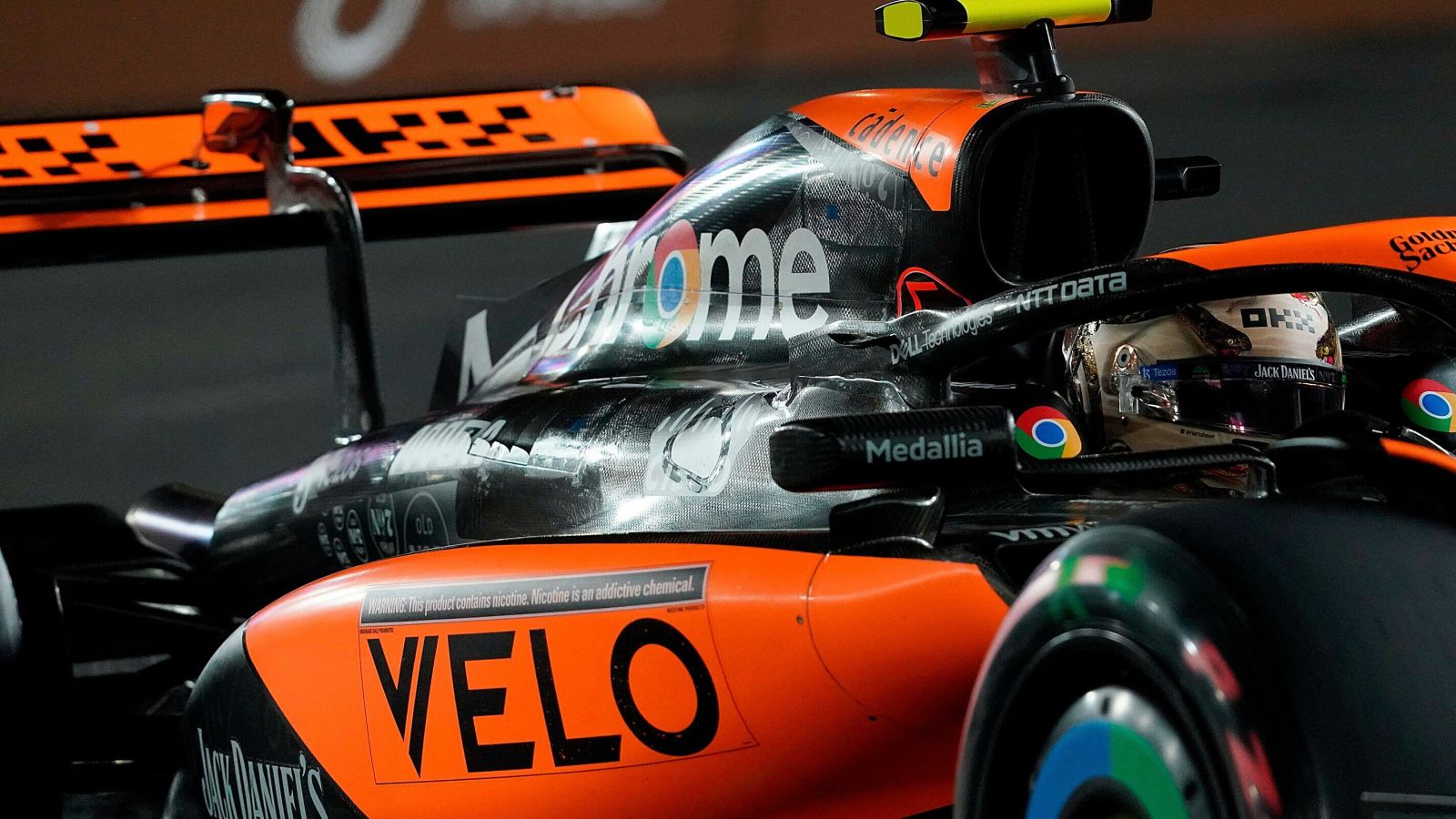
Red Bull’s layout contrasts starkly with Mercedes and Ferrari, while McLaren pursues a distinct path, reflecting how early the grid remains in optimising the 2022‑23 regulation set.
The competitive implication is straightforward: teams will dissect Red Bull’s surfaces, pressure fields, and cooling architecture to decide whether adaptation or direct counters deliver the best lap‑time return.
Expect that evaluation cycle to continue until aerodynamic philosophies stabilise, potentially into 2025, once correlation confidence and development ceilings narrow the viable solution space.
Expect teams to prioritise correlation and efficiency gains over wholesale concept changes before convergence.
For now, Red Bull’s sidepods underline how creative regulation reading can translate into consistent, usable load, especially when paired with robust platform control and efficient cooling.
The Miami weekend also fuels broader rules debate, with Max Verstappen still uneasy about aspects of the sporting framework despite evident gains in racing quality.
Attention now turns to extracting incremental gains from recent packages, tightening manufacturing tolerances, and refining track‑by‑track trade‑offs before the European rounds.
That technical arms race remains the defining storyline, as teams chase efficient downforce and predictable balance under an evolving regulatory landscape.
Visual Summary
Red Bull’s Sidepod
“Smart & Innovative”
“Smart & Innovative”
Unveiled in Miami, this bold shape caught McLaren’s eye
and changed the aerodynamic conversation.
and changed the aerodynamic conversation.
Mercedes
Ferrari
McLaren
⭐
Red Bull
2022: New rules
→
2025: Aero ideas may converge
→
2025: Aero ideas may converge
Each team forging its own path—for now
Regulatory creativity = Advantage
“Very interesting phase” in F1
Everyone’s watching Red Bull’s pod

Daniel Miller reports on Formula 1 Grand Prix weekends with race-day analysis, team-radio highlights, and point-standings updates. He explains power-unit upgrades, aerodynamic developments, and driver rivalries in straightforward, SEO-friendly language for a global F1 audience.