https://shop.fervogear.com/cart

Christian Horner Proved Right After Major FIA Rule Change

Highlights
- FIA confirmed significant 2027 power unit regulation changes.
- Internal combustion engine power to increase by 50kW.
- Electric power output reduced from 350kW to 300kW.
- Changes align with Christian Horner’s original power balance proposal.
- Red Bull and other teams criticized 2023 hybrid power units.
- Modifications aim to improve race reliability and power delivery.
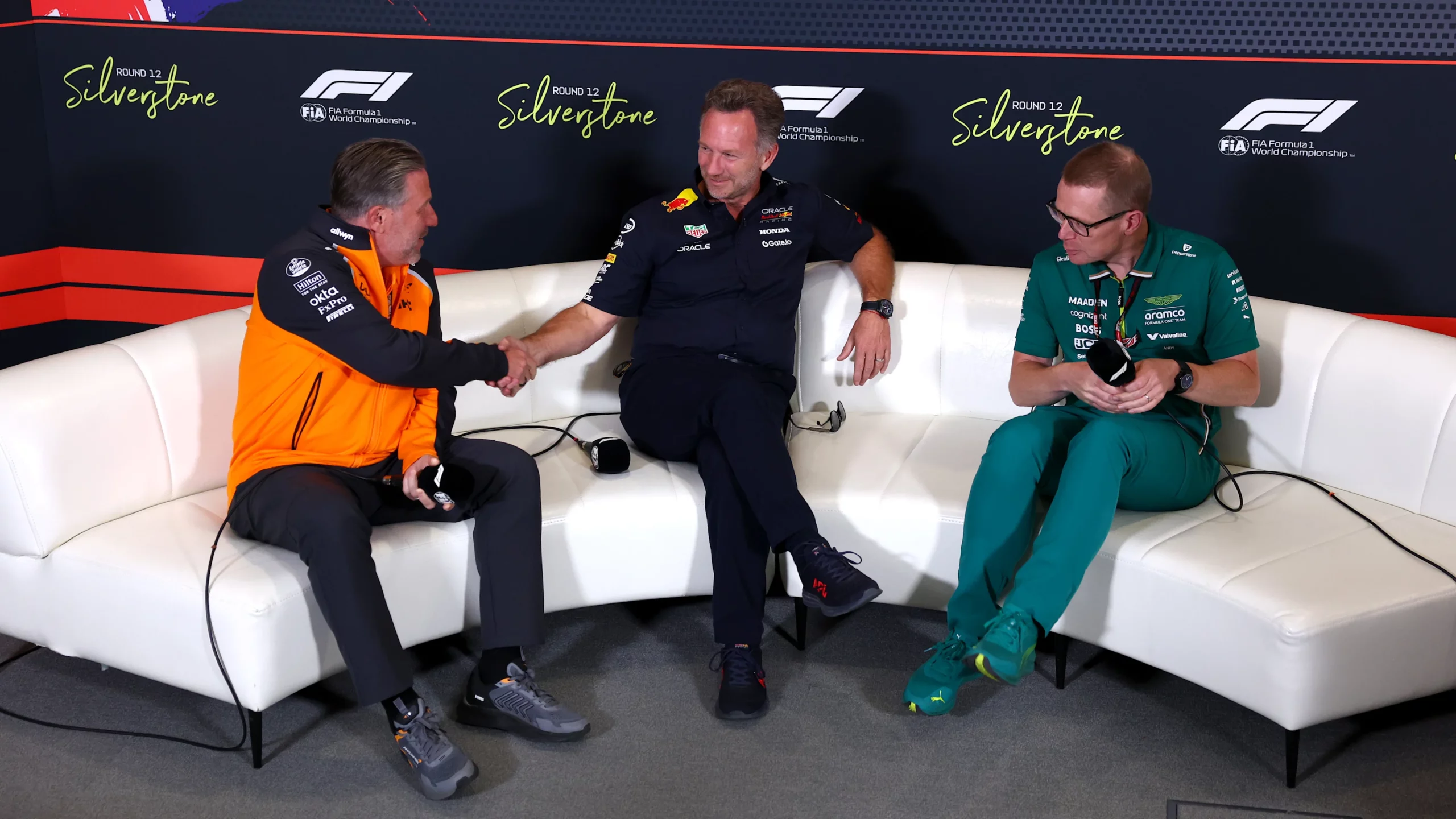
The FIA confirms a major 2027 power-unit rebalancing, validating Christian Horner’s long-standing warnings about Formula 1’s hybrid regulations.
The update increases internal-combustion output by 50kW via higher fuel flow and cuts electrical power from 350kW to 300kW.

It aims to stabilise deployment on long straights, reduce lift-and-coast demands, and restore a more coherent performance profile across race stints.

Horner argues the 2023 framework risks a technical ‘Frankenstein’ by misbalancing combustion and electrical contributions across key phases.
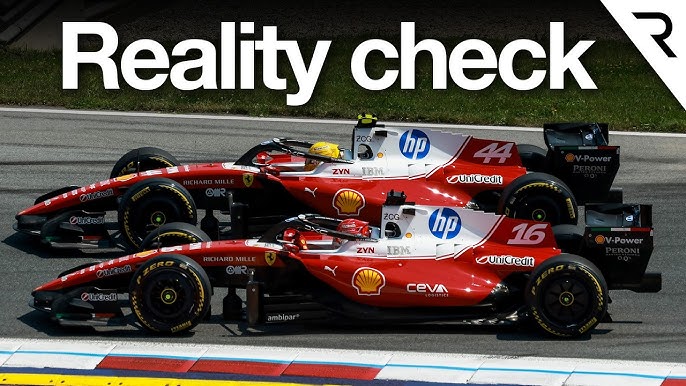
Visual innovation remains strong, exemplified by Ferrari’s distinctive rear wing, but driveability concerns dominate competitive priorities.
He advocates a roughly 60/40 split favouring combustion, anticipating battery depletion and awkward compromises to chassis concepts and driving styles.
Rivals, notably Toto Wolff at Mercedes, dismiss that call, confident their development path will thrive under a stronger electrical emphasis.
FIA’s 2027 reset: +50kW ICE, 300kW electric, targeting smoother deployment and reliability.

Red Bull Powertrains, partnered with Ford, delivers a competitive package, yet Max Verstappen repeatedly flags deployment drop-offs since pre-season testing.
Concerns echo across the field, including from McLaren’s Andrea Stella, spanning Bahrain testing and early rounds in Australia, China, and Japan.
The FIA introduces interim tweaks for Miami, the fourth race, but drivers report only partial relief and persistent energy-management compromises.
Drivers report lift-and-coast risks and inconsistent straight-line delivery despite early-season tweaks.
A subsequent summit with teams, drivers, and manufacturers cements consensus, prompting the governing body to commit to the 2027 specification pivot.
The rebalancing reduces the risk of fuel-saving extremes and awkward energy maps that distort race trim and strategic flexibility.
Teams now confront calibration, packaging, and cooling decisions to exploit the revised philosophy without undermining efficiency targets and reliability thresholds.
For Red Bull, the outcome vindicates Horner’s stance yet still demands tight integration between chassis, aerodynamics, and a re-optimised power unit.
The shift mirrors Horner’s proposed 60/40 emphasis on combustion power.
For Mercedes and others, the revision reframes development bets without erasing gains secured under previous assumptions.
Competitive order in 2027 likely pivots on efficiency, energy recovery strategy, deployment durability, and aero correlation, not simply headline power figures.
If execution matches intent, fans should see closer battles and fewer deployment cliffs on both straights and corner exits.
Visual Summary
Engine
Electric
2027
Engine Power
+50kW
+50kW
(higher fuel flow)
⇆
Electric Power
–50kW
–50kW
(now 300kW)
Horner was right!
The FIA will shift F1’s power balance in 2027,
with louder engines and less electric boost,
just as Horner predicted.
Expect closer racing – and fewer battery headaches.
with louder engines and less electric boost,
just as Horner predicted.
Expect closer racing – and fewer battery headaches.

Daniel Miller reports on Formula 1 Grand Prix weekends with race-day analysis, team-radio highlights, and point-standings updates. He explains power-unit upgrades, aerodynamic developments, and driver rivalries in straightforward, SEO-friendly language for a global F1 audience.