https://shop.fervogear.com/cart

How F1 Sponsorship Evolved Beyond Just Stickers on Cars

Highlights
- Mercedes aims to be first F1 team earning $1 billion revenue
- Marketing team grew from 5 to 150, focusing on partner success
- F1 sponsorship evolved from logos to content-driven, authentic partnerships
- Mercedes made record revenue despite Lewis Hamilton’s departure
- Driver moves impact sponsorships but don’t affect all teams equally
- Mercedes builds future on new talents and content-based growth
Mercedes is targeting an unprecedented $1 billion in annual revenue as Richard Saunders outlines how Formula 1’s commercial model has shifted from stickers to sophisticated, content-led partnerships.
The Mercedes commercial director says repeated forecasts of a ceiling have proved premature, with the sport’s growth outpacing expectations and sustaining partner demand across channels.

Since Saunders joined in 2008, income has scaled from near zero sponsorship and licensing to projections exceeding £500 million next year, underpinned by deeper, longer-term agreements.
Mercedes now operates more like a specialist marketing agency, with roughly 150 staff focused on partner outcomes, a stark change from the five-person team Saunders inherited at Brawn GP.
That resource fuels authenticity. Communications teams shape narratives, while activations increasingly reflect genuine collaboration rather than transactional logo placement.
Mercedes aims to become F1’s first $1 billion-revenue team, reflecting the sport’s rapid commercial expansion.
The shift is industry-wide. Williams advisor Peter Kenyon has dismissed the notion that sponsors only want visibility on cars, reinforcing how expectations have evolved.
Saunders describes Mercedes as a “content-generating machine,” with scalable storytelling creating more touchpoints and measurable value across digital and experiential platforms.
Managing partner portfolios remains complex. Mercedes carries fewer sponsors than some rivals, but maintaining delivery standards across a broad roster is still a significant operational challenge.
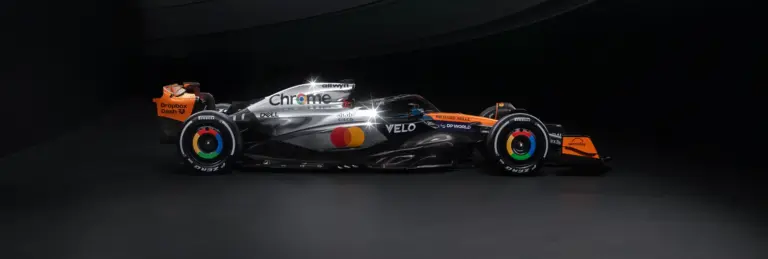
McLaren’s scale, with around 54 partners, is impressive yet demanding. The priority, Saunders argues, is careful selection and targeted delivery. Recent activations such as McLaren’s British GP livery underline that strategic focus.
Mercedes’ marketing operation has grown from five to roughly 150 specialists, mirroring F1’s transformation into a content-first ecosystem.
Mercedes emphasises long-term relationships, built on trust and clear deliverables, to ensure partners remain engaged through on-track cycles and shifting sporting narratives.
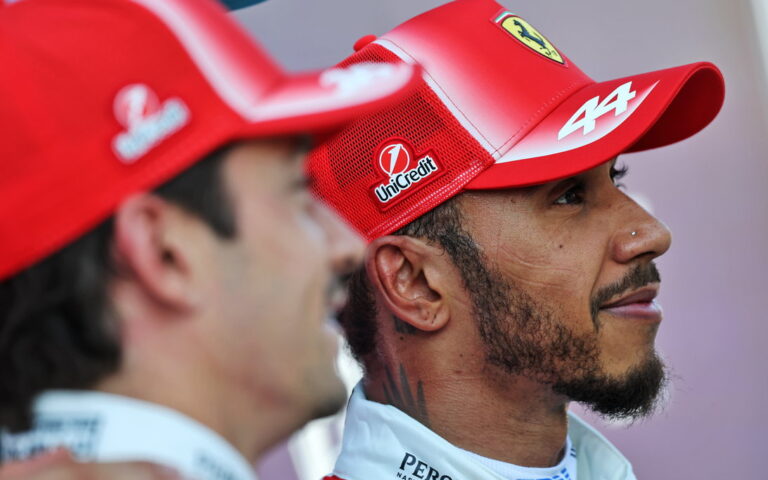
Lewis Hamilton’s departure did not trigger the expected commercial hit. Mercedes exceeded revenue targets set before his move, while Ferrari capitalised with significant incoming deals.
Mercedes posted record revenue despite Hamilton’s exit, reflecting diversified income and strong contract structures.
That resilience reflects a diversified commercial model, robust contractual foundations, and activations less dependent on a single driver’s profile.
Looking forward, Mercedes intends to build around emerging talents like Kimi, with Saunders confident the content era can rapidly elevate new stars and sustain growth.
F1 sponsorship has moved decisively from logo placement to authentic, content-driven partnerships with measurable outcomes.
Mercedes’ trajectory from a small crew to a scaled content and commercial engine mirrors the sport’s maturation. It also tracks wider market fluctuations, including the recent Aston Martin F1 setback that illustrated how quickly commercial momentum can shift.
Visual Summary
🗹
LOGO
A New Era of F1 Sponsorship
From simple car stickers
to content-powered partnerships
to content-powered partnerships
Mercedes 2024 Revenue (est.)
£500M+
(target: $1B milestone)
Specialist Staff
👩💻👨💻👩💼🤝
150+
in Marketing, Content & Comms
Partners (McLaren)
🧩
54
a complex web to manage
📸
⚙️
⚡
☁️
Content Machine
Partnerships beyond logos
Mercedes turns partners into creators and collaborators
– not just sponsors.
– not just sponsors.
“I’ve been predicting a ceiling every year for five years, but the sport keeps surprising me.”
– Richard Saunders, Mercedes F1
Formula 1’s business model: Billion-dollar brands, powerful content, lasting partnerships.
The future is created — not just stickered on.
The future is created — not just stickered on.

Daniel Miller reports on Formula 1 Grand Prix weekends with race-day analysis, team-radio highlights, and point-standings updates. He explains power-unit upgrades, aerodynamic developments, and driver rivalries in straightforward, SEO-friendly language for a global F1 audience.