https://shop.fervogear.com/cart

George Russell Voices Big Balloons Concern Over Strange New Rule

Highlights
- George Russell criticized 2026 F1 tyres as feeling like big balloons.
- Straight Mode rules require tyre pressures 2-3 psi above minimum levels.
- Higher pressures mandated for safety due to wing mode failures risk.
- Pirelli is working to improve tyre feel while maintaining safety.
- Tyre pressures remain a key challenge for drivers and teams in 2026.
- Upcoming British Grand Prix may be pivotal for further tyre updates.
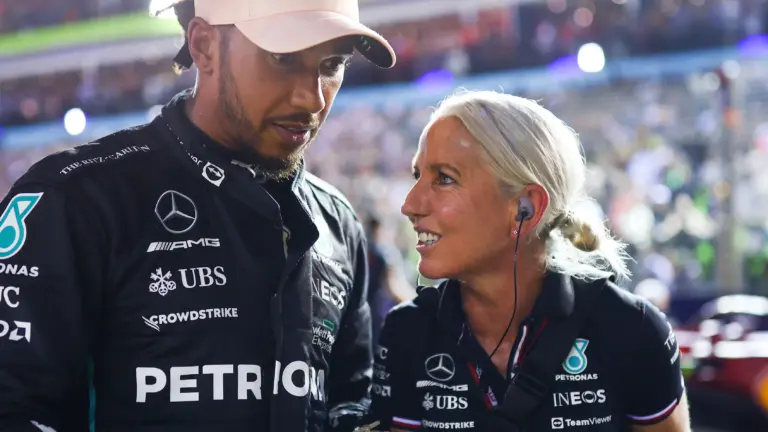
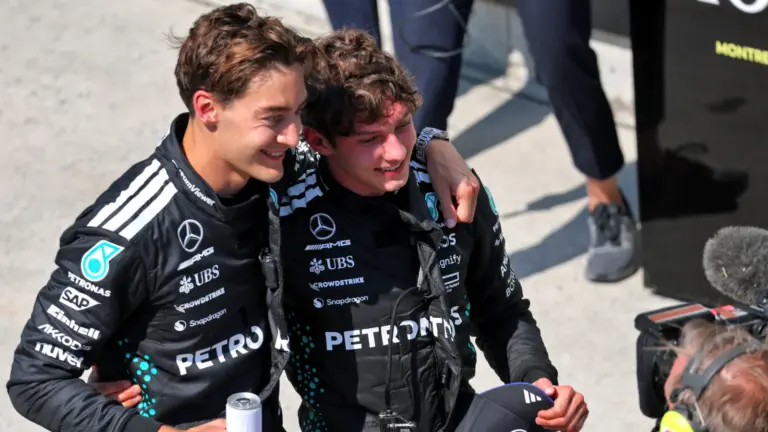
George Russell delivers a rare rebuke of 2026 F1 tyres, describing them as “big balloons,” as Straight Mode regulations force higher pressures for safety after the opening eight rounds.
Straight Mode alters wing settings on designated straights, trimming drag, then restoring downforce under braking. Failure risk drives a two-to-three psi buffer above Pirelli’s baseline minima.

That headroom protects tyres if cars remain in high-downforce configuration at speed. The elevated load increases carcass stress and temperature on long straights, elevating the probability of failures.
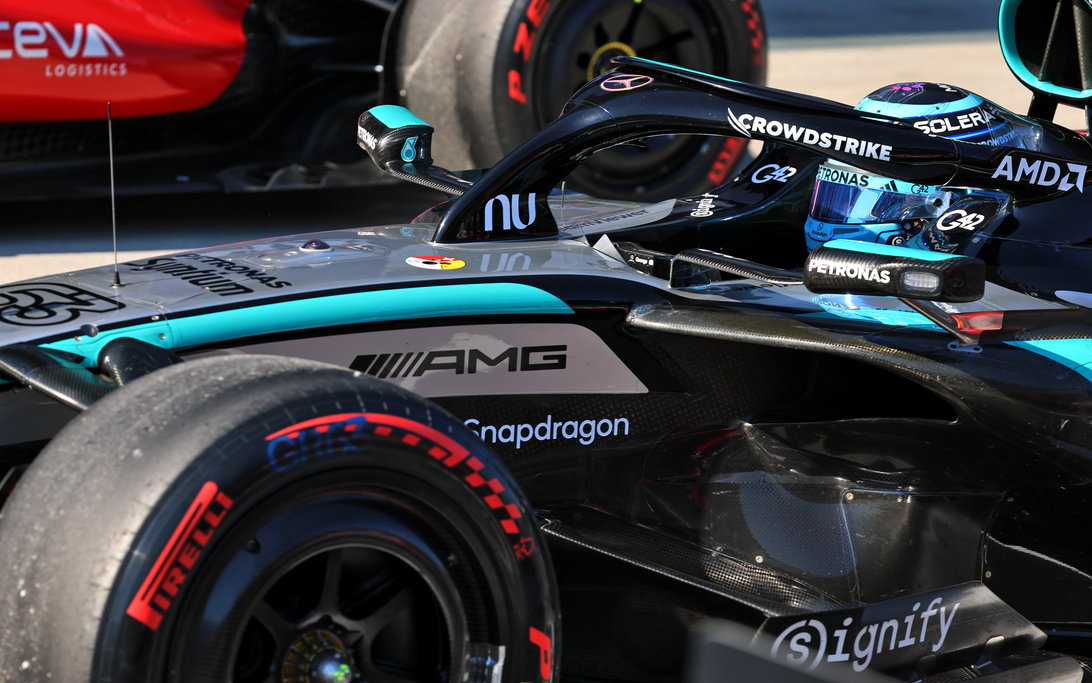
Russell says the uplift dulls front-end bite and traction. The cars feel floaty in transients, blunting confidence and rhythm through linked corners.
Elevated pressures also narrow operating windows. Overheating fronts quickly bleed grip in traffic, curbing race craft and deterring aggressive offsets in stint planning.
Tyres feel like big balloons due to mandated pressure increases linked to Straight Mode safety margins.
Pirelli is pursuing tweaks to preserve safety while sharpening feel. Any reduction depends on validated SM reliability, temperature envelopes, and construction robustness across representative circuits.
The FIA’s post-Japan changes have otherwise improved drivability. Russell has acknowledged those gains, consistent with his earlier comments on regulatory evolution.
Competitive implications are clear. Lower enforced pressures would enhance mechanical grip, extend stints, and encourage strategic variance, producing closer fields and stronger undercuts.
Reducing the enforced pressure buffer could unlock closer racing and broader strategic options.
Mercedes must weigh these dynamics alongside aero development. Recent disagreements with Toto Wolff underline how set-up trade-offs intersect with broader performance direction.
Russell’s strong form, including his Austria win, provides a baseline for correlation. That progress forms part of his 2026 redemption push as Mercedes refines run plans for Silverstone.
Silverstone’s sustained high-speed corners will stress the fronts. Teams will track blister thresholds and wear deltas to judge whether pressure adjustments are viable without undermining safety.
For now, tyre pressures remain drivers’ most frequent complaint. Any relaxation hinges on proven SM reliability and demonstrable reductions in structural risk across the calendar.
Safety remains the overriding constraint: reduced pressures will only follow verified Straight Mode reliability.
Visual Summary
“Tyres Feel Like Balloons”
— George Russell, after 2026 F1 tyre rule change
🛡️
SAFETY
+2-3 psi
for SM failure risk
for SM failure risk
🏁
RACING
Drivers:
“Less grip, overheated, unpredictable”
“Less grip, overheated, unpredictable”
STRAIGHT MODE
Wings open on straights
for speed, close under braking
for speed, close under braking
What Comes Next?
Pirelli & FIA are searching for a fix.
Solution = more fun, closer battles, faster cars.
Solution = more fun, closer battles, faster cars.
65% to better racing
Next test:
British GP · July 5
British GP · July 5

Daniel Miller reports on Formula 1 Grand Prix weekends with race-day analysis, team-radio highlights, and point-standings updates. He explains power-unit upgrades, aerodynamic developments, and driver rivalries in straightforward, SEO-friendly language for a global F1 audience.