https://shop.fervogear.com/cart

Top Frustrations Drivers Face with 2026 F1 Cars Revealed

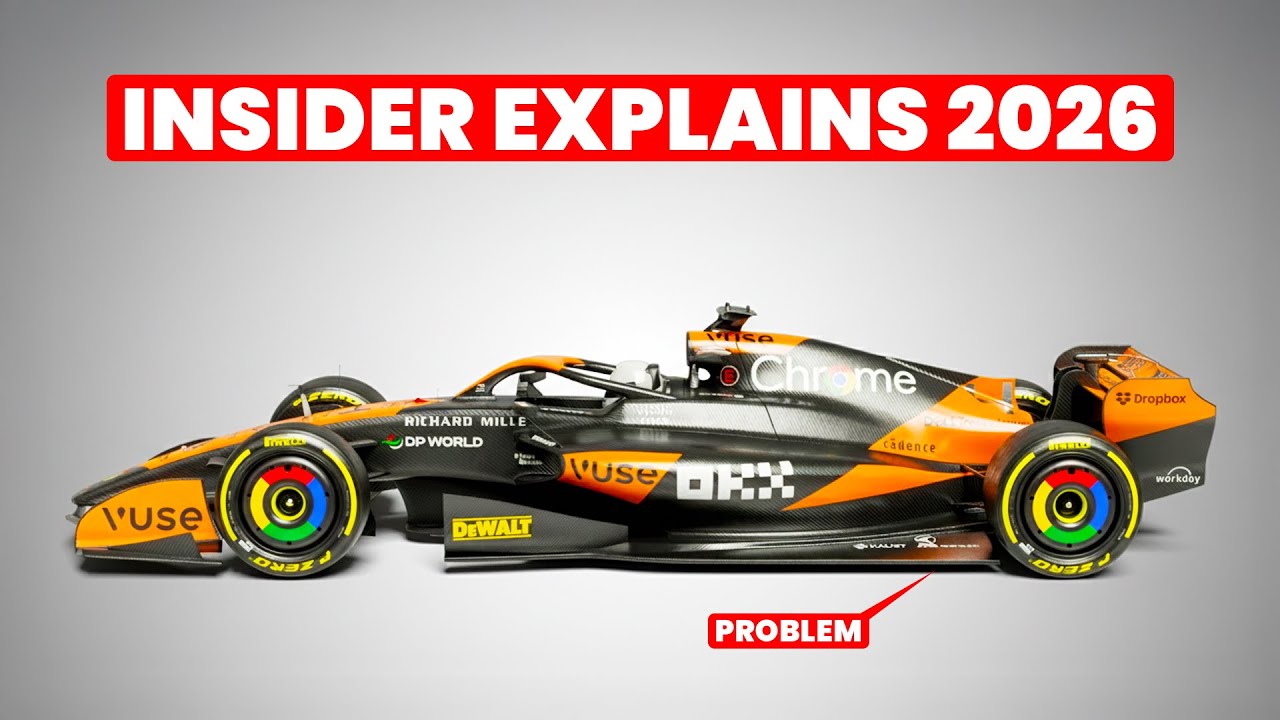
Highlights
- 2026 F1 cars improved but drivers remain dissatisfied with handling.
- Drivers penalized for corner speed due to energy management rules.
- Max Verstappen and Esteban Ocon criticize current energy restrictions.
- Fuel flow increases and hardware changes unlikely before 2028 season.
- Paddock politics and team interests slow progress on rule improvements.
- Canadian GP will test if 2026 rules truly enhance racing quality.
Pre-Miami rule tweaks improved parts of the 2026 Formula 1 package, yet drivers remain unconvinced. Qualifying sharpened and races improved, but core handling and energy constraints still dominate complaints.
The central frustration is perverse: slowing in corners to be faster on the straights. Energy deployment rules reward straight-line recovery over mid-corner speed, skewing driving style and diminishing traditional skill.

Max Verstappen says revised recharge limits changed little in qualifying. He argues that pushing harder in turns can reduce speed on the next straight, which undermines the essence of driving performance.
Esteban Ocon echoes that logic. He describes “over pushing” early in corners to reduce throttle demand later, creating awkward lines that prioritize battery management over maintaining minimum corner speed.
“Going faster in corners can make you slower on the next straight” — Verstappen.
The root lies in the 50:50 internal combustion and electrical split, plus strict battery limits. That architecture deters flat-out driving. Lando Norris accepts small gains but says the package still falls short.
The 50:50 ICE–electric split and battery cap punish flat-out laps.
Norris argues maximum effort is penalized by the energy rules. He doubts the battery system can be fully fixed and suggests removal would help, though that option is not on the table.
Suggested mitigations include raising fuel flow to boost the combustion contribution and easing harvesting limits. More headroom could lift power and help replenish the battery without corner-speed trade-offs.
[p]Meaningful hardware changes look unlikely before 2028 given engine and chassis plans.[/p]
However, higher fuel flow implies tougher engines and potentially larger tanks. With current engine and chassis plans locked, significant hardware moves before 2028 look improbable. Political drag compounds the delay.
[p]Meaningful hardware changes look unlikely before 2028 given engine and chassis plans.[/p]
GPDA director Carlos Sainz says progress hinges on paddock politics. Teams with stronger technology resist shifts that reduce their edge, making political disagreement the biggest barrier to faster improvement.
Miami was a decent advert but flattered the concept on a layout friendly to energy management. That context tempers conclusions about the real competitiveness of the 2026 package.
Montreal will be a clearer test. Long straights and heavy braking zones should expose whether the ruleset truly improves racing or simply encourages the same corner-speed sacrifices.
Fernando Alonso expects the pattern to persist. With current power units, saving energy in corners to boost straight-line speed remains the quickest approach, regardless of procedural refinements.
For now, drivers juggle deployment intricately, limiting freedom to attack. The demand to slow in corners for straight-line gains remains the chief annoyance. Substantial change likely waits for later seasons.
Expect teams and stakeholders to keep pushing, while fans gauge whether upcoming events shift the narrative. For broader context, see the 2026 Formula 1 Technical Rules overview.
Visual Summary
🐢
🏍
😡
Slow ? in corners to go fast ? on straights
2026 F1 rules force drivers to slow down in corners
to save energy for speed on the straights.
to save energy for speed on the straights.
“It’s not what it should be about.”
Max Verstappen
“Pace is punished by energy rules.”
Lando Norris
Max Verstappen
“Pace is punished by energy rules.”
Lando Norris
Next challenge:
🇨🇦
Montreal’s long straights
🇨🇦
Montreal’s long straights
Will the 2026 rules finally deliver real racing action?

Daniel Miller reports on Formula 1 Grand Prix weekends with race-day analysis, team-radio highlights, and point-standings updates. He explains power-unit upgrades, aerodynamic developments, and driver rivalries in straightforward, SEO-friendly language for a global F1 audience.