https://shop.fervogear.com/cart

Oscar Piastri Demands F1 Rule Changes After Intense Experience

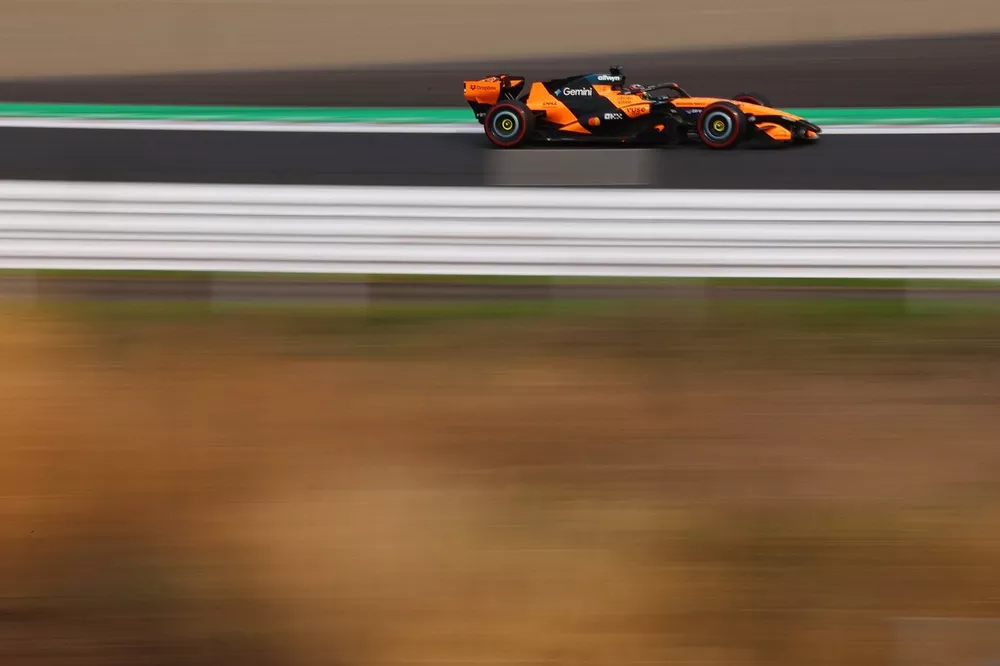
Highlights
- Oscar Piastri struggled in early 2026 F1 races, no laps finished
- Piastri achieved podiums in Japan and Miami races in 2026
- New 2026 F1 rules reduced energy harvest during qualifying
- Piastri described Miami race as “pretty crazy” and unpredictable
- He called for further rule changes to improve racing quality
Oscar Piastri says Miami exposes shortcomings in Formula 1’s 2026 rules, urging further refinements after a chaotic race that coincides with a form rebound for McLaren.
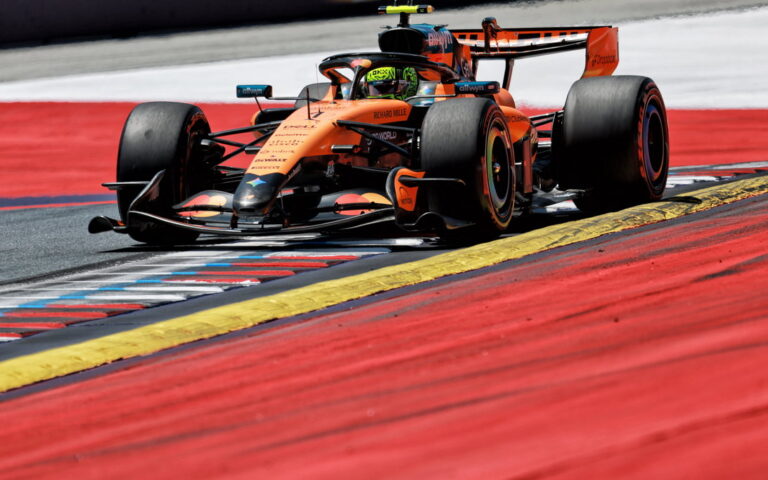
The Australian’s season opens disastrously, with no racing laps completed in Australia or China. He rebounds with second in Japan, then takes second in the Miami sprint race and third in the Grand Prix.

Key rule tweaks follow April’s break, with safety and qualifying integrity prioritised. A reduced qualifying energy-harvest limit helps, Piastri says, but it does not fix the underlying balance.
Miami’s race dynamics prove volatile. Piastri calls it “pretty crazy,” citing intense attack-and-defence patterns and unusually large speed differentials between cars on the straights.
He notes George Russell closing from one second back and passing on the straight, highlighting unpredictable closing speeds that undermine defensive options and consistency in racecraft.
“Pretty crazy” closing speeds in Miami leave defending difficult, Piastri says, after Russell overtakes from one second back on the straight.
Piastri concedes frustration with one Russell move, yet admits he executes a similar pass later. The overspeed available makes choices binary and reduces situational control.
He credits the FIA and Formula 1 for rapid work during the break, but stresses current power-unit and energy systems constrain how far changes can go immediately.
Piastri: Reduced qualifying harvest “helped” but “didn’t solve everything,” with hardware limits capping short-term fixes.
Further updates are needed, he argues, though timelines remain unclear. The priority is moderating closing speeds while preserving strategic variety and the challenge of qualifying.
Competitively, McLaren’s trajectory looks encouraging. Podiums in Japan and Miami indicate a package and driver adapting as regulations settle and teams iterate.
After two early DNFs with zero racing laps, Piastri’s Japan and Miami podiums signal a clear McLaren recovery trend.
Debate intensifies over how the new rules shape racing quality, with attention on energy deployment, slipstream effects, and cornering trade-offs. The discussion mirrors ongoing analysis in recent rule-change reviews.
Expect continued calibration through 2026 as F1 targets a workable balance between fairness, safety, and spectacle. Miami serves as a case study in real-world effects and required refinement.
Visual Summary
➡️
⬅️
Wild Miami race proves new F1 rules still need fixing ?
Aus
DNF
Chn
DNF
?Jap
?Mia S
?Mia GP
GR
OP
Piastri: “Huge closing speeds made defending and overtaking unpredictable.”
Piastri’s resilience
after a rocky start shows McLaren’s potential—but new rules need more work to keep racing fair and thrilling.
after a rocky start shows McLaren’s potential—but new rules need more work to keep racing fair and thrilling.

Daniel Miller reports on Formula 1 Grand Prix weekends with race-day analysis, team-radio highlights, and point-standings updates. He explains power-unit upgrades, aerodynamic developments, and driver rivalries in straightforward, SEO-friendly language for a global F1 audience.