https://shop.fervogear.com/cart

Williams Reveal Struggles Behind 2026 F1 Car’s Rocky Start

Highlights
- Williams faced delays due to FIA crash test failures.
- FW47 was heavier than 768kg minimum weight limit.
- Weight reduction program started at Miami Grand Prix.
- Drivers Sainz and Albon scored points at Miami GP.
- FW47 has double the parts complexity of previous models.
- New leadership and software changes caused development inefficiencies.
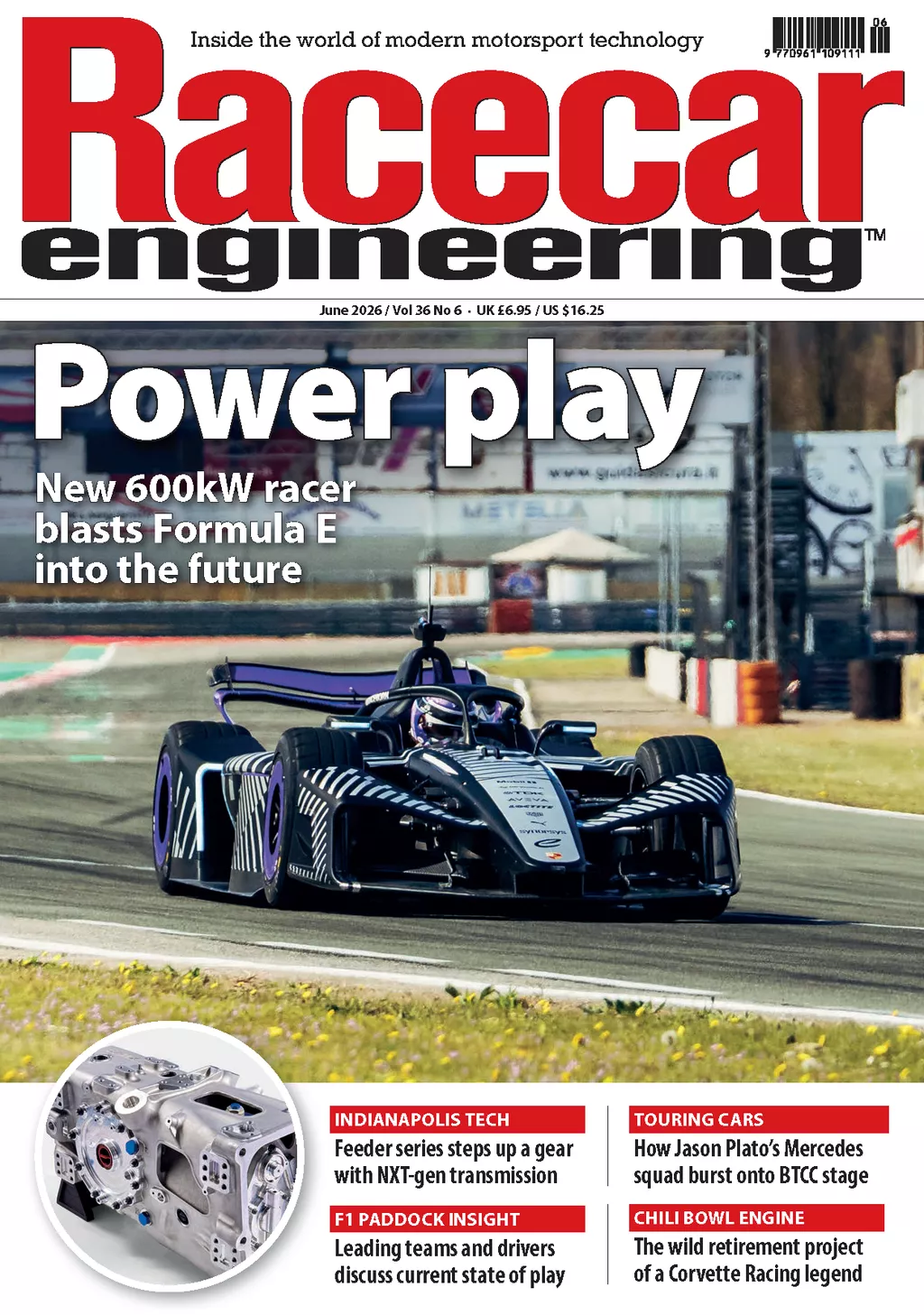
Williams details how crash test failures and technical setbacks delay the FW47’s debut, forcing the 2026 car to miss the planned Barcelona shakedown and start the season on the back foot.
Team principal James Vowles leads an early pivot to the 2026 rules after arriving from Mercedes before 2023, targeting the regulation reset as a chance to accelerate Williams’s recovery.

Early aerodynamic work begins in the wind tunnel, but production is held late to preserve fresh aero data, compressing design freeze and manufacturing timelines.
The consequence is an overweight FW47, above the 768kg minimum, degrading performance and leaving limited setup margin to compensate.
Williams opens a weight reduction drive at the Miami Grand Prix. The immediate return is modest but meaningful, with Carlos Sainz ninth and Alex Albon tenth for the team’s first double-points finish.
The three points exceed the tally of the previous three races, when Sainz’s two points in China were Williams’s only score.
Vowles confirms the FW47 failed some FIA crash tests at key gates, triggering redesigns and schedule slippage.
Vowles attributes the disruption to the first full development cycle under new leadership, exposing planning, procedural, and software inefficiencies that only surface under real build pressure.
Complexity compounds the strain. The FW47 carries roughly double the part count of recent Williams cars, magnifying procurement risk and manufacturing bottlenecks.
Supplier capacity tightens as delays mount, limiting outsourcing options once redesigns become unavoidable.
Crash test setbacks at critical milestones force rework, while external manufacturers are already booked, narrowing viable paths to recover timing without compromising specifications.
Williams accepts some heavier component solutions to secure approvals and maintain momentum, knowingly trading mass for schedule to avoid deeper delays.
To keep development moving, Williams temporarily trades weight for certification, then targets mass back out with staged updates.
With the car now running, the team prioritizes design simplification, mass reduction, and reliability, aiming to convert process learnings into consistent performance gains over upcoming rounds.
Miami suggests the trajectory is upward under Vowles, but the wider 2026 landscape raises the bar. The evolving 2026 rule package increases complexity across the grid, demanding sharper integration between aero, structures, and operations.
Williams’s experience underlines a familiar truth of regulation resets: early insight helps, yet process robustness, supplier alignment, and crash compliance ultimately decide development velocity.
Visual Summary
??
FW47
??
?
Crash Tests Failed
FIA hurdles block progress
⚖️
Heavier Than Rules
Above 768kg minimum
?
2x More Parts
Build delays & chaos
Miami: Weight Fight Pays Off
??
Sainz
9th
Sainz
9th
Points:
Total: 3 pts
(prev 3 races: 2)
??
Albon
10th
Albon
10th
First double-points finish of 2026 for Williams
2026 = Race of Adaptation
The FW47’s tough road sums up the complexity all teams face under the new F1 rules. More parts, heavier cars, tougher tests.
Can Williams turn this challenge into victory? ⏳⚡
Can Williams turn this challenge into victory? ⏳⚡

Daniel Miller reports on Formula 1 Grand Prix weekends with race-day analysis, team-radio highlights, and point-standings updates. He explains power-unit upgrades, aerodynamic developments, and driver rivalries in straightforward, SEO-friendly language for a global F1 audience.