https://shop.fervogear.com/cart

McLaren Exposes Crucial F1 Weakness Holding Back Victory

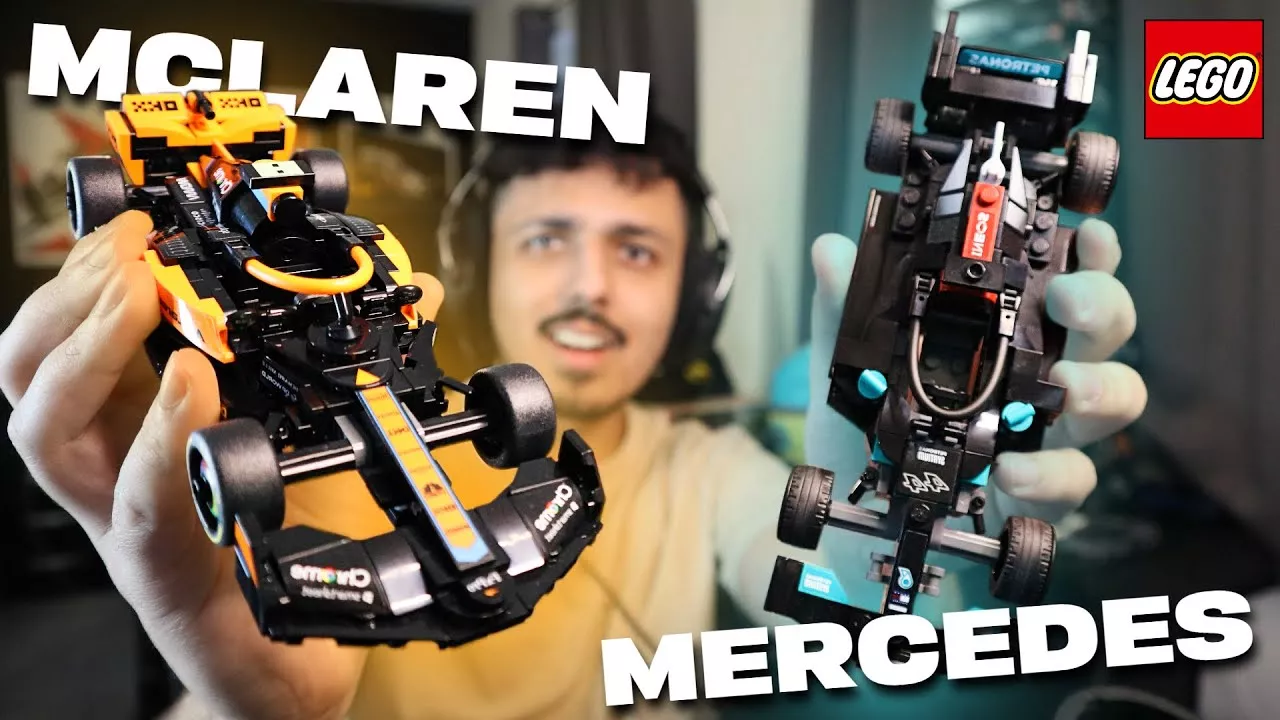
Highlights
- McLaren showed strong pace upgrades at the Miami Grand Prix.
- Mercedes excels in high-speed corners, especially turns 4 to 8.
- Mercedes driver Kimi Antonelli won his third consecutive race.
- Both teams plan upgrades ahead of the Canadian Grand Prix.
- Mercedes maintains overall speed advantage despite McLaren’s progress.
Andrea Stella maintains Mercedes still holds a decisive on-track edge despite McLaren’s step forward in Miami.
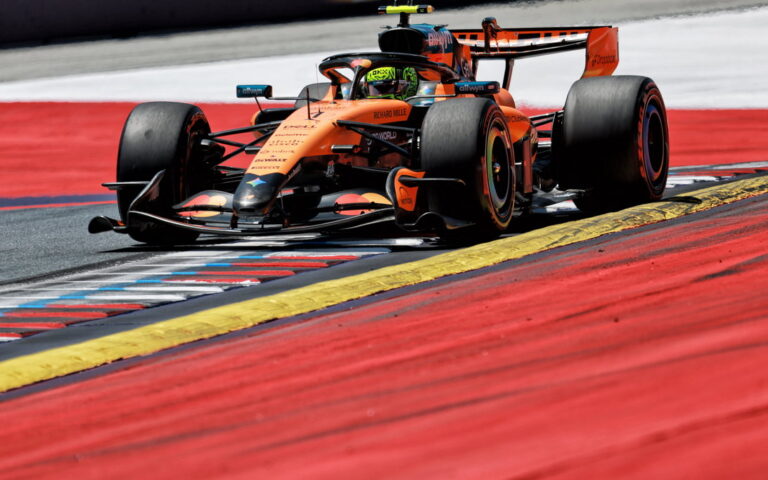
McLaren’s upgrade package moved the MCL40 to the sharp end, delivering sprint pole and a one-two at the Miami Grand Prix.

Stella says Mercedes remains quicker overall, with the W17 strongest through high-speed turns four to eight at the Miami International Autodrome.
“The W17 gains most time through Miami’s T4–T8 sequence,” Stella notes, citing team data.
He points to corner-speed traces and stint analysis that show a recurrent McLaren deficit in that section.
Kimi Antonelli underlined the pattern, reeling in Lando Norris late in stint one before stretching clear in the final phase.
That victory marked Antonelli’s third straight, reinforcing Mercedes’ pace margin despite minor driver errors in Miami.
Antonelli’s third consecutive win underscores Mercedes’ stronger race pace and tyre management.
Stella adds McLaren’s execution is tidy when outright pace lags, evidenced by sprint qualifying precision.
But he concedes the high-speed weakness is material, influencing stint evolution and tyre life management.
Both teams now ready further upgrades for the Canadian Grand Prix, continuing development within the cost cap.
The focus is aerodynamic efficiency: sustaining downforce at speed without compromising low-speed traction or tyre stability.
Miami narrowed the gap, but Mercedes still sets the benchmark for outright speed and high-speed consistency.
Upcoming rounds will show if McLaren converts its gains into sustained race-day control, not just qualifying peaks.
McLaren’s Miami package delivered immediate competitiveness, but Mercedes still defines the pace benchmark.
Further upgrades for Canada are pivotal to closing the high-speed cornering deficit.
Visual Summary
High-Speed Section (Turns 4–8)
Mercedes leads
McLaren chasing
Mercedes Sets the Pace
McLaren closes the gap but the Silver Arrows fly in fast corners
McLaren closes the gap but the Silver Arrows fly in fast corners
Mercedes
W17 fastest in
Turns 4–8
W17 fastest in
Turns 4–8
McLaren
Big upgrades,
gap shrinking
Big upgrades,
gap shrinking
Head-to-Head
?
?️
Mercedes
Miami Pace Gap
McLaren
Miami Pace Gap
McLaren
Next Showdown: Canada ?
Both teams bring fresh upgrades—can McLaren catch the Silver Arrows in the next duel?

Daniel Miller reports on Formula 1 Grand Prix weekends with race-day analysis, team-radio highlights, and point-standings updates. He explains power-unit upgrades, aerodynamic developments, and driver rivalries in straightforward, SEO-friendly language for a global F1 audience.