https://shop.fervogear.com/cart

Fred Vasseur Issues Stark Warning on Ferrari Driver Fallout Management

Highlights
- Jolyon Palmer doubts Vasseur managing Hamilton-Leclerc tensions.
- Both drivers bring strong personalities, racing for title rivalry.
- Ferrari aims to close gap to Mercedes with rising driver tensions.
- Palmer compares Ferrari’s situation to Hamilton-Rosberg rivalry at Mercedes.
- Replacing drivers after clashes deemed unrealistic in Ferrari’s context.
- Ferrari’s 2026 plan success depends on managing internal driver rivalry.
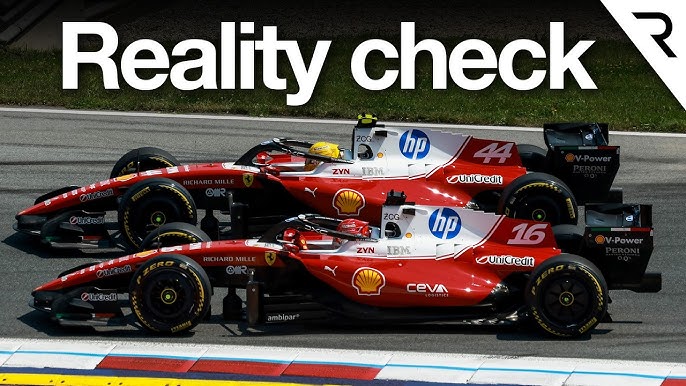
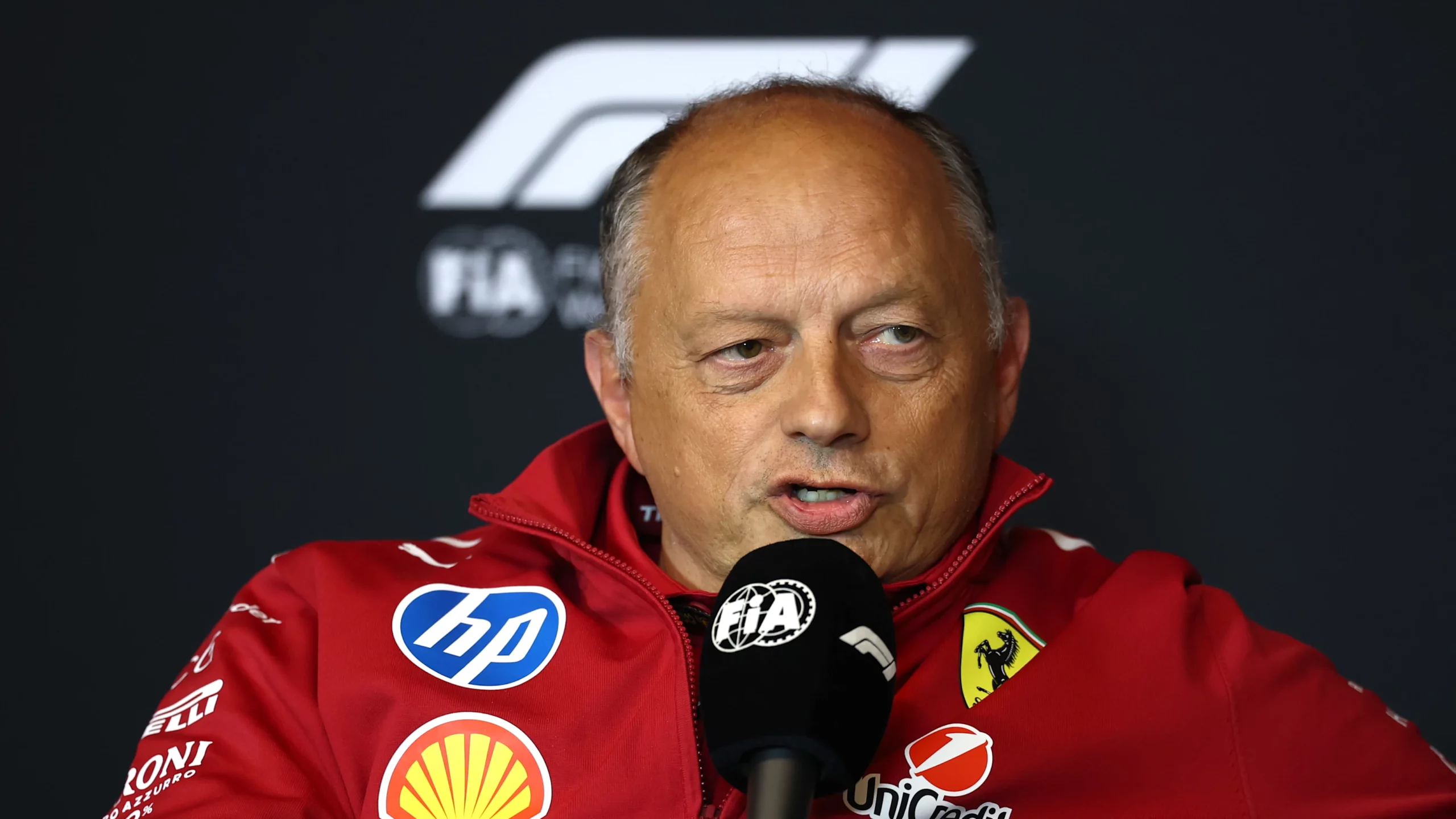
Jolyon Palmer questions Fred Vasseur’s capacity to police Lewis Hamilton and Charles Leclerc if a genuine title fight materialises at Ferrari this season or into 2026.
Ferrari’s driver room remains calm, but both arrive with assertive reputations and championship ambitions that historically strain even the best-managed operations.

The team continues hunting gains on Mercedes, yet neither Hamilton nor Leclerc has delivered Ferrari a title, sharpening stakes if the car becomes consistently quickest.
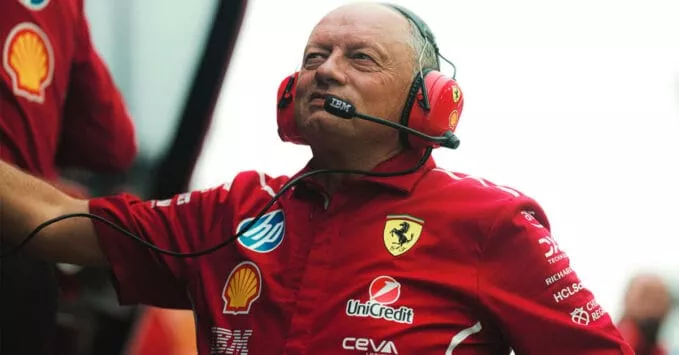
Palmer argues parity in race pace would immediately stress management decisions, from pit priority to team orders, because ego and opportunity collide when two elite drivers share winning machinery.
Palmer says equal pace between Hamilton and Leclerc would immediately stress Ferrari’s decision-making on pit priority and team orders.
He cites the Hamilton–Rosberg precedent at Mercedes, where Toto Wolff imposed hard lines, including benching threats. Palmer doubts Ferrari could credibly mirror such coercive measures in a live championship.
Contractual realities and political cost make using reserves unrealistic after intra-team contact. Once rivalry escalates, leverage tilts toward the drivers if both are indispensable.
Tolerance for finishing second is vanishingly small among champions. With Hamilton proving legacy and Leclerc chasing a first crown, flashpoints become likely when margins are razor-thin.
For Vasseur, the task is structural. He must codify order triggers, pit windows, and undercut rights, and ensure symmetric engineering support while preserving authority in real time.
Clear pre-race scenarios, de-escalation channels, and post-incident review protocols reduce ambiguity. Data-led criteria, not status, should dictate calls when strategy deltas are marginal.
Bench threats like Mercedes used in 2016 are unlikely at Ferrari, according to Palmer.
Regulatory change in 2026 amplifies unpredictability. New power-unit demands and aero trade-offs could compress performance gaps, increasing wheel-to-wheel exposure between team-mates across strategies.
Ferrari must align development direction with driver preferences without fragmenting resources. Misaligned upgrades or asymmetric setups risk inflaming perceptions of favouritism and eroding garage cohesion.
Vasseur’s success may hinge on codified order triggers and data-led calls rather than driver status.
Progress this year is tangible, but the true examination arrives if Ferrari fields the benchmark car. Managing competitive friction then likely decides whether momentum converts into titles.
Visual Summary
Leclerc
Hamilton
?
Vasseur
Ferrari Faces A Double-Edged Battle
Palmer warns: If Hamilton ? Leclerc fight for the title, keeping Ferrari’s harmony will be Vasseur’s toughest race yet.
??
7x
Champion
Hamilton
0x
Champion
Leclerc

Daniel Miller reports on Formula 1 Grand Prix weekends with race-day analysis, team-radio highlights, and point-standings updates. He explains power-unit upgrades, aerodynamic developments, and driver rivalries in straightforward, SEO-friendly language for a global F1 audience.