https://shop.fervogear.com/cart

The Surprising Trait Vasseur Forced Out of Ferrari

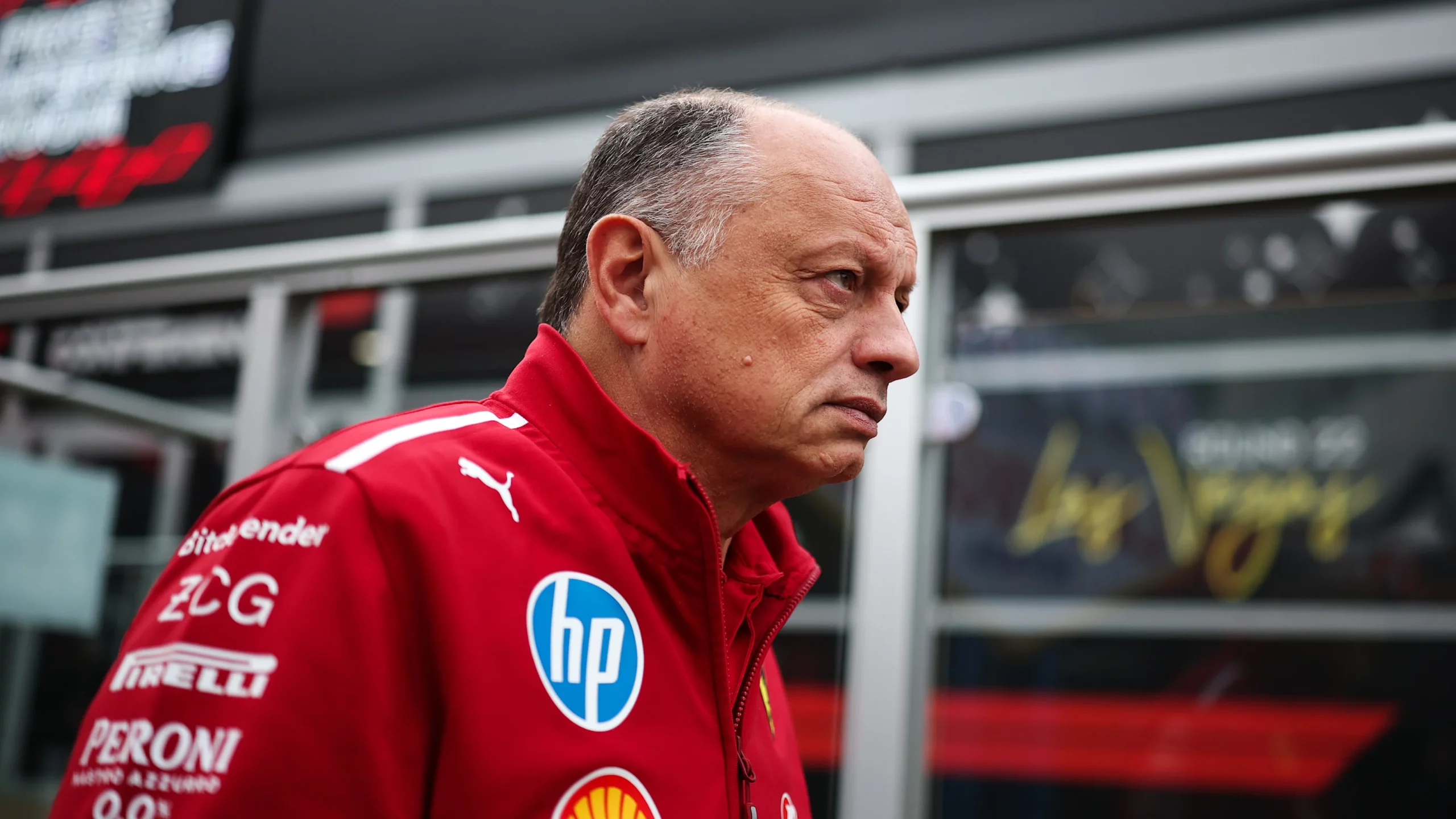
Highlights
- Ferrari introduced innovative aerodynamic features this Formula 1 season.
- Fred Vasseur shifted Ferrari’s culture from cautious to performance-focused.
- Technical director Loic Serra’s arrival boosted Ferrari’s competitive mindset.
- Earlier 2024 setbacks caused conservative setups and early development halts.
- Ferrari aims for lap time improvements over flashy technological gains.
- Team focuses on rapid upgrades, embracing risks for consistent speed gains.
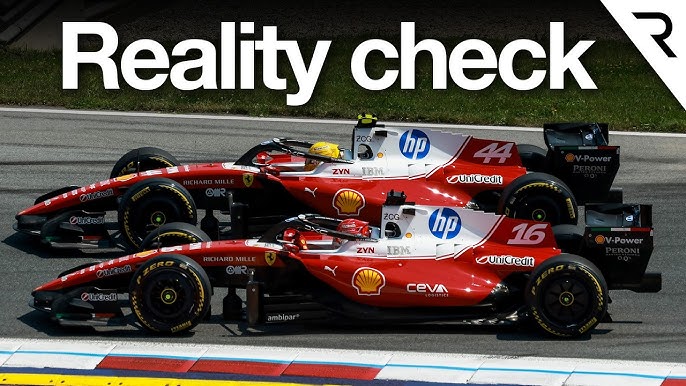
Ferrari enters this Formula 1 season with a visibly bolder development stance, aiming to convert culture change into lap time. The objective is clear: bank consistent tenths, not headlines.
Novel devices, from the so‑called Macarena rear wing to an exhaust wing and halo winglets, reflect that intent. Each delivers small gains, but collectively they shift the competitive picture.

The change tracks back to Fred Vasseur’s push to abandon a safety‑first mentality. He found margin left in weight, fuel buffers, and setup caution that cost roughly two tenths per lap.

Loic Serra’s arrival in October 2024 has accelerated that shift. His racing background and engineering pedigree encourage calculated risk, quick validation, and a no‑blame review process.
The key performance indicator is unapologetically singular: lap time. Ferrari prioritizes what stops the clock, not showcase technology, aligning chassis, aero, and power unit efforts around that metric.
Vasseur estimates the previous safety-first approach cost around 0.2s per lap — a decisive margin under the cost cap and tight aero testing limits.
That approach suits the modern rule set. With the cost cap and restricted wind‑tunnel and CFD hours, development must be targeted, legal, and production‑ready at pace.
Setbacks in 2024, including ride‑height issues that led to a disqualification, pushed Ferrari into conservative setups and an early development pause. Processes tightened late in the year.
[prompt-fail-safe-placeholder]
Because the SF‑25’s concepts were largely frozen before Serra’s arrival, structural changes were limited. The current focus is operational: quicker correlation, faster parts flow, and sharper decision‑making.
“Only the lap time counts” is the internal mantra guiding trade‑offs across departments, displacing traditional targets like peak downforce or horsepower in isolation.
Results are incremental but tangible. Ferrari challenges for podiums without yet converting to wins. Vasseur demands upgrades that yield tenths, not token gains, to stay in the fight.
Manufacturing throughput is now a performance lever. Under parc fermé constraints and limited running, the team values rapid iteration and deployment over one‑off technical flourishes.
Serra’s competitive mindset prioritizes speed of learning: test boldly, de‑risk fast, and move on. Failures inform the next step rather than trigger blame.
Rivals notice and sometimes emulate Ferrari’s ideas, but copying is only part of the equation. Execution speed and reliability determine whether concepts translate to points.
If Ferrari can string together two to three tenths from successive packages, race‑leading pace becomes plausible. The margin to the front is small, but demands relentless delivery.
The direction from Maranello is unambiguous. Embrace measured risk, compress timelines, and convert ingenuity into consistent lap time. The culture now aims to reward ambition, not restraint.
Visual Summary
?️
Ferrari:
Pushing Every Limit
Pushing Every Limit
No more playing it safe.
Every bold idea—from rear wing to halo winglets—chasing tenths of a second.
New mindset under Vasseur & Serra:
“Innovate, don’t fear mistakes—
just get faster.”
Every bold idea—from rear wing to halo winglets—chasing tenths of a second.
New mindset under Vasseur & Serra:
“Innovate, don’t fear mistakes—
just get faster.”
Every 0.2s gained brings a podium closer ?
?
“The only number that matters: lap time.
Try, fail, and innovate—speed is all.”
— Fred Vasseur
“The only number that matters: lap time.
Try, fail, and innovate—speed is all.”
— Fred Vasseur

Daniel Miller reports on Formula 1 Grand Prix weekends with race-day analysis, team-radio highlights, and point-standings updates. He explains power-unit upgrades, aerodynamic developments, and driver rivalries in straightforward, SEO-friendly language for a global F1 audience.