https://shop.fervogear.com/cart

Carlos Sainz Thrills Fans with New Madrid F1 Track Debut

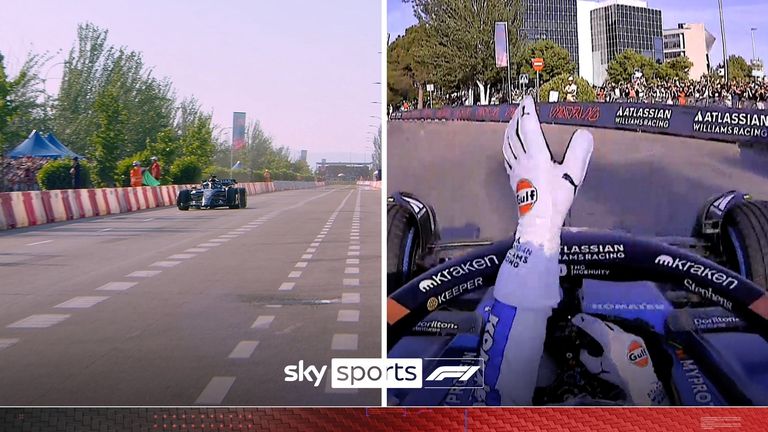
Highlights
- Carlos Sainz first completed lap on new Madrid F1 track
- Madrid circuit debuts in 2026 F1 calendar
- Track features high-speed straights and technical corners
- Sainz provided feedback to Ferrari and race organizers
- Madrid race adds variety to European and global F1 events
- 2026 season includes traditional and new challenging circuits
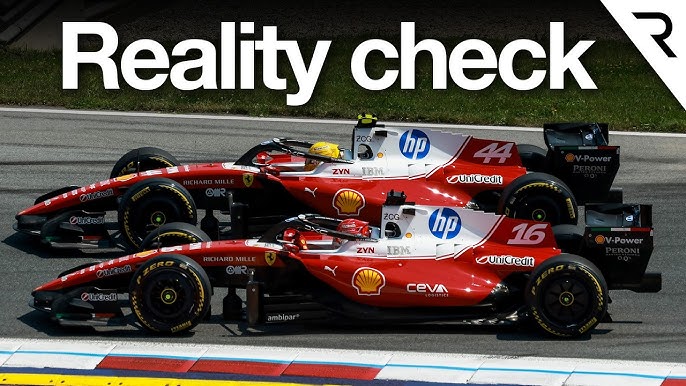
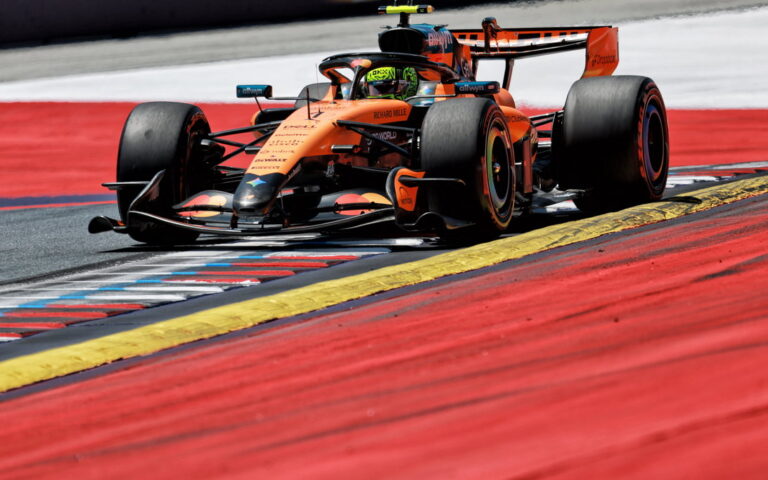
Carlos Sainz has become the first driver to complete a lap of Madrid’s new Formula 1 circuit, logging exploratory runs ahead of its 2026 debut.
The early outing offers baseline data on grip, braking, and lines, while giving organizers a real-world sense of how the venue will race.

Madrid joins a 2026 schedule that blends established events with new venues, alongside Canada, Monaco, and Britain, broadening competitive variety across track types and conditions.
The layout combines long straights with a technical middle sector, likely demanding low-drag efficiency without sacrificing stability in slow, change-of-direction sequences.
Sainz’s first run delivers the baseline teams need for simulation correlation and early setup direction.
With 2026 regulations reshaping car characteristics, including active aero and revised power units, Madrid will test how teams balance energy deployment and aero efficiency.
Sainz reported feedback to Ferrari and event officials, focusing on surface evolution, braking stability, and kerb profiles that influence car compliance and ride.
Initial indications suggest at least one strong passing zone into a heavy-braking hairpin, with DRS likely central to compressing gaps on the approach.
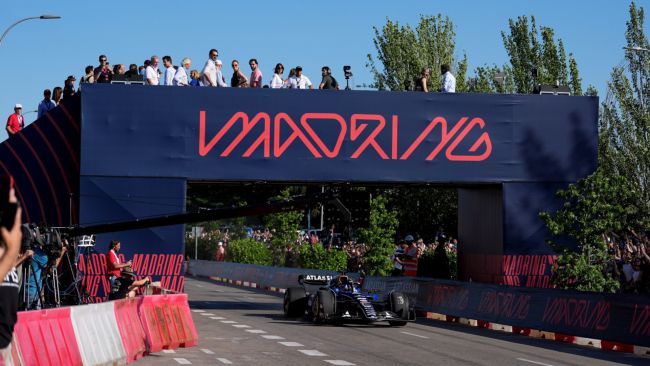
Organizers expect the circuit to integrate cleanly with the European swing, complementing Monaco and Silverstone by offering a contrasting overtaking profile.
Officials expect close racing through a blend of high-speed slipstreaming and decisive braking zones.
Early mileage accelerates learning on tyre warm-up windows, track evolution, and ride-height sensitivities that can define qualifying trim versus race pace.
Across 2026, teams must shift rapidly between aero-efficiency venues and mechanical-grip tracks, stressing correlation between simulation tools and real-world feedback loops.
Sainz’s approach appears methodical, prioritizing consistent references over outright pace to map the circuit and de-risk the team’s setup path.
Early correlation work can unlock strategic flexibility on wing levels and energy deployment.
Madrid’s debut shapes as a credible addition, promising strategic depth and overtaking potential while expanding Formula 1’s reach in a key European market.
Visual Summary
Carlos Sainz
debuts the Madrid F1 track
First-ever flying lap completed ahead of 2026 debut
debuts the Madrid F1 track
First-ever flying lap completed ahead of 2026 debut
Existing F1 circuits
Madrid Debut
First to Lap New Circuit
? Urban Layout
?️ 2026 Season

Daniel Miller reports on Formula 1 Grand Prix weekends with race-day analysis, team-radio highlights, and point-standings updates. He explains power-unit upgrades, aerodynamic developments, and driver rivalries in straightforward, SEO-friendly language for a global F1 audience.