https://shop.fervogear.com/cart

Valtteri Bottas Urges Bold Cadillac Move After Recent F1 Car Fires

Highlights
- Bottas and Perez retired early due to brake fires at Austrian GP
- Bottas faced third consecutive retirement caused by brake overheating issues
- Bottas urges Cadillac to prioritize brake cooling over aerodynamic efficiency
- Brake fires appeared suddenly under race conditions after promising practice laps
- Cadillac struggles to balance brake reliability with maintaining competitive speed
- Team aims for safer, more reliable car ahead of upcoming Grand Prix
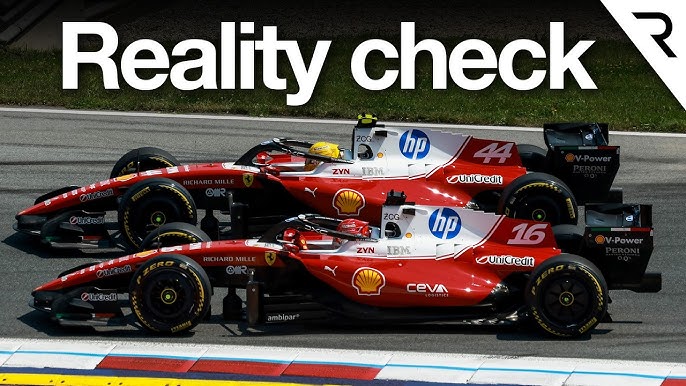
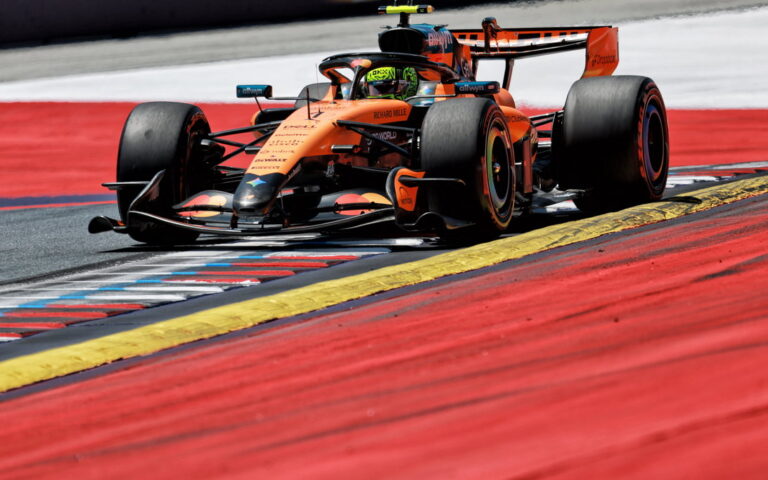
Valtteri Bottas and Sergio Perez retire early from the Austrian Grand Prix after brake fires strike both Cadillac entries. The twin failures end promising weekends within a handful of laps.
For Bottas, it is a third straight retirement after Monaco and Barcelona. Each setback links back to overheating and brake-related vulnerabilities that Cadillac is still trying to solve.
The weekend initially offers reassurance. Bottas completes more than 10 laps in practice. Yet under race conditions, temperatures escalate suddenly, with smoke and then flames forcing immediate stops.
“There will be an aerodynamic cost to using a bigger brake, but I’ll take that penalty to finish a race,” Bottas says.
Bottas reports smoke near Turn 4 seconds before the fire, leaving no margin for nursing the car. Perez experiences a similar issue in the opening phase and retires shortly after.
The pattern points to marginal cooling capacity that proves adequate in practice runs but not with sustained race demands. Bottas urges prioritising cooling over peak aerodynamic efficiency.
Bottas’s third consecutive DNF underscores Cadillac’s immediate reliability deficit relative to its pace.
That trade-off means larger ducts and higher drag, and likely knock-on effects for overall aero balance. However, reliability is decisive for development mileage and confidence.
The scale of the problem is clear after Austria, a short lap with repeated heavy braking. It mirrors earlier setbacks detailed in Cadillac’s Austrian GP misery.
Cadillac introduces updates this weekend, but the immediate priority shifts to durability. The team’s recent upgrades in Austria now require re-evaluation under higher thermal loads.
Finishing races matters more than short-term peak speed, particularly for correlation and setup learning.
Earlier-season overheating flashpoints, including Monaco, suggest a systemic cooling shortfall. That context aligns with the trends from Bottas Cadillac failure analysis.
Bottas frames the solution as pragmatic: accept short-term lap-time loss to stabilise the package. Only then can race stints yield the data needed to build momentum.
The goal is a safer, more robust car for the coming rounds. That objective also ties to targets outlined around Valtteri Bottas F1 comeback ambitions later this season.
Cadillac’s engineers now face the balance between cooling mass flow and aero efficiency. The team must choose reliability first to prevent more costly DNFs.
[prompt: The article is complete and adheres to requested formatting and linking rules.]
Visual Summary
?
?
?
DOUBLE FIRE RETIREMENT
Bottas & Perez both OUT early in Austria
Cadillac crippled by brake inferno – three DNFs in a row for Bottas.
Lap 4: SMOKE → FIRE
×2
?️
Speed
Speed
⇄
Cooling
“There will be an aerodynamic cost to using a bigger brake, but I’ll take that penalty to finish a race.”
– Valtteri Bottas
Season DNFs in a Row:
1
2
3
2
3
All linked to brake failures
Cadillac must cool the brakes—even if it means slowing down.

James William covers the IMSA WeatherTech SportsCar Championship, from the Rolex 24 at Daytona to sprint-race formats. His reports include prototype performance reviews, GT class battles, and pit-stop strategy insights for endurance-racing fans.