https://shop.fervogear.com/cart

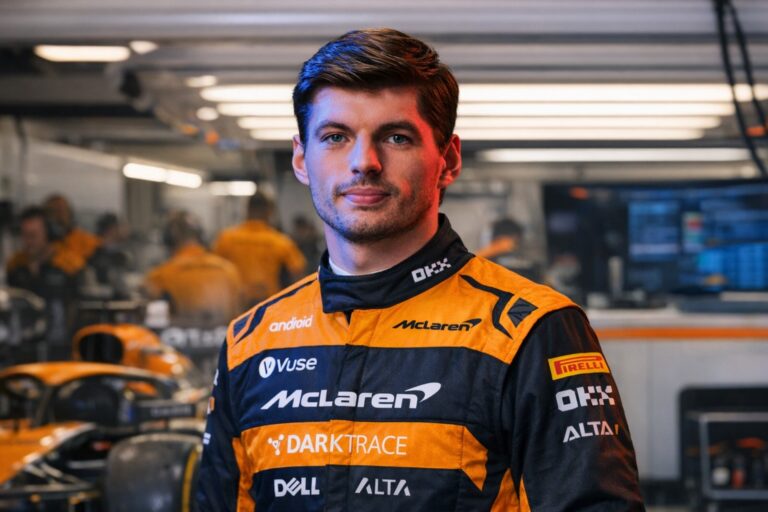
Oscar Piastri Faces Forced Change After Key Performance Review

Highlights
- Oscar Piastri adapts driving style to McLaren’s 2026 car.
- Piastri struggled previously with high tyre degradation management.
- Fourth place at Austrian GP marked his best finish this season.
- Team analyzed tyre and car balance to aid driver adaptation.
- Stella praised Piastri’s progress in handling low-grip conditions.
- McLaren aims to support Piastri for consistency in upcoming races.
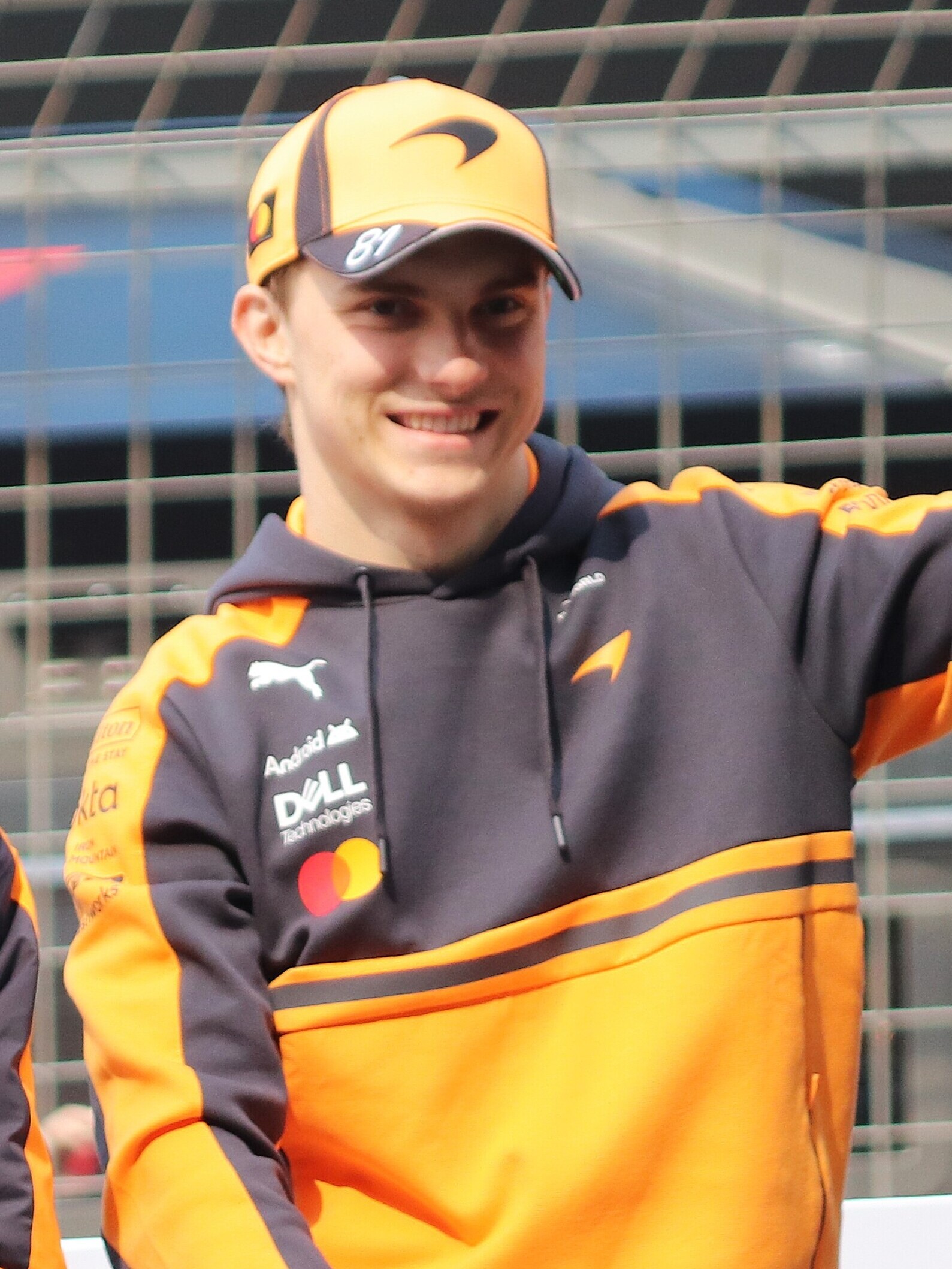
Oscar Piastri is reshaping his driving to suit McLaren’s 2026 package, targeting high-degradation races, with Austria’s fourth place the clearest evidence, team principal Andrea Stella says.
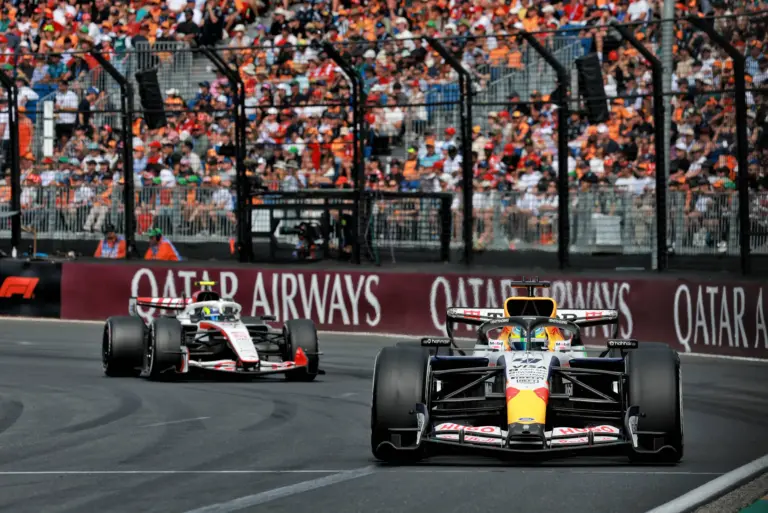
Piastri’s race pace previously faded versus Lando Norris once tyre wear built, exposing a management weakness that hindered stint length, defence, and undercut protection.

Across recent rounds, McLaren dissected tyre usage and balance traces to guide Piastri’s adaptation, a process reflected in its ongoing Piastri development programme and structured debriefs.
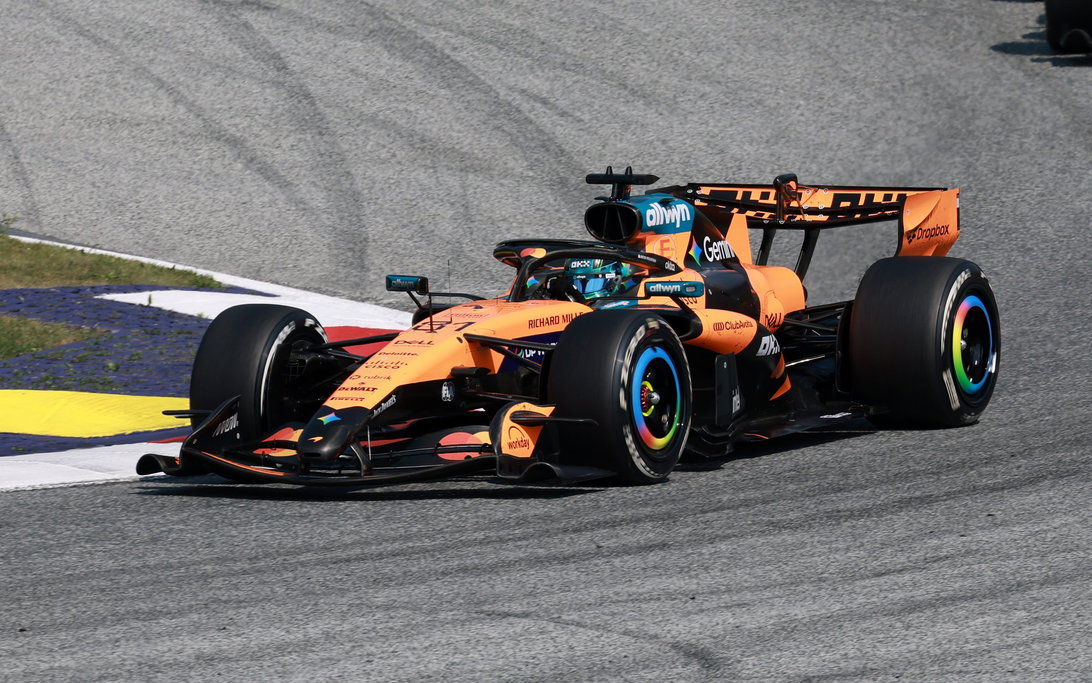
The Red Bull Ring offered low-grip, high-deg conditions. Piastri applied the brief, protected the rears, and converted strategy into P4, his best finish since the Miami podium.
Piastri’s P4 in Austria is his best result since his Miami podium, underscoring tangible progress in tyre management.
The emphasis shifts from maximising mid-corner rotation to smoothing inputs, shortening slides, and managing longitudinal loads, reducing surface temperatures that previously spiked and accelerated wear.
Stella notes the 2026 car produces less overall grip, magnifying degradation sensitivity. That compounds difficulty across long stints and safety-car restarts where cold tyre behaviour punishes aggression.
McLaren’s analysis centred on tyre usage and balance to extend stints and stabilise pace in low-grip phases.
McLaren has complemented the approach with updates, including a revised rear wing, aimed at stabilising the car in low-grip phases and broadening the operating window across compounds.
“Oscar got into the cockpit and delivered a very strong weekend,” Stella says after an “important analysis and activity” on tyres and balance.
Crucially, Piastri now accepts that persisting with his natural style costs time in high-deg events. The new approach trades peak attack for sustained pace, preserving options on strategy.
The revised driving style deliberately trades peak rotation for tyre life, unlocking stronger race-long pace.
Austria’s result follows targeted simulator work and race-weekend drills, aligning driver feel with tyre metrics. That closes variance to Norris and strengthens McLaren’s second-car contribution to strategy.
With Silverstone next, consistency becomes the metric. McLaren intends to reinforce the adaptation so gains survive different track energies, wind sensitivity, and asphalt roughness.
The review aligns with the team’s earlier adaptation findings and sits alongside ongoing investigation developments unrelated to car performance.
If Piastri sustains tyre control under varying grip levels, McLaren gains predictable race pace and strategic freedom, underpinning regular points and podium contention when opportunities present.
Visual Summary
Tyre Mastery in Motion
🚗
💨
💨
Old Style
Fast, but tyres quickly worn: degradation slowed Oscar’s race
🚗
🌑
🛡️
🌑
🛡️
New Style
Adapted for longer life—controls tyre wear,
finishes strong
finishes strong
🏁
Austria: P4 Finish
— Best since Miami
Austria: P4 Finish
— Best since Miami
Piastri’s Tyre Skill (2026 so far)
Consistency & control improving — 74% mastery
“
Oscar got into the cockpit and delivered a very strong weekend.
— Andrea Stella, McLaren F1 Team Principal
Oscar got into the cockpit and delivered a very strong weekend.
— Andrea Stella, McLaren F1 Team Principal
Silverstone awaits — can Oscar turn tyre lessons into even bigger results?
Daniel Miller reports on Formula 1 Grand Prix weekends with race-day analysis, team-radio highlights, and point-standings updates. He explains power-unit upgrades, aerodynamic developments, and driver rivalries in straightforward, SEO-friendly language for a global F1 audience.