https://shop.fervogear.com/cart

Carlos Sainz Calls for Bold F1 Rule Change After Controversy

Highlights
- Carlos Sainz proposes grid penalty for causing qualifying flags.
- Verstappen crashed during Q3 at the Austrian Grand Prix.
- Single-waved yellow flag triggered, drivers only slowed slightly.
- Penalty would be a three-place grid drop for causing flags.
- Sainz plans to discuss rule change with GPDA soon.
- Proposal aims to improve qualifying fairness and driver safety.
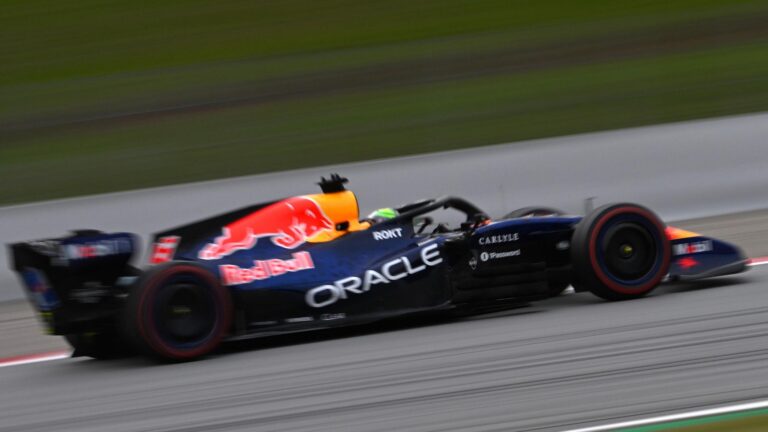
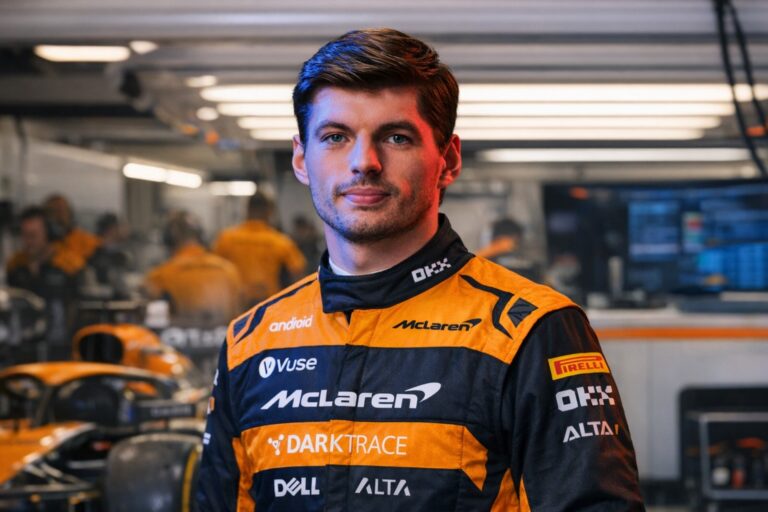
Carlos Sainz calls for an automatic grid penalty after Max Verstappen’s Q3 crash at the Austrian Grand Prix reignites qualifying safety and fairness concerns at the Red Bull Ring.
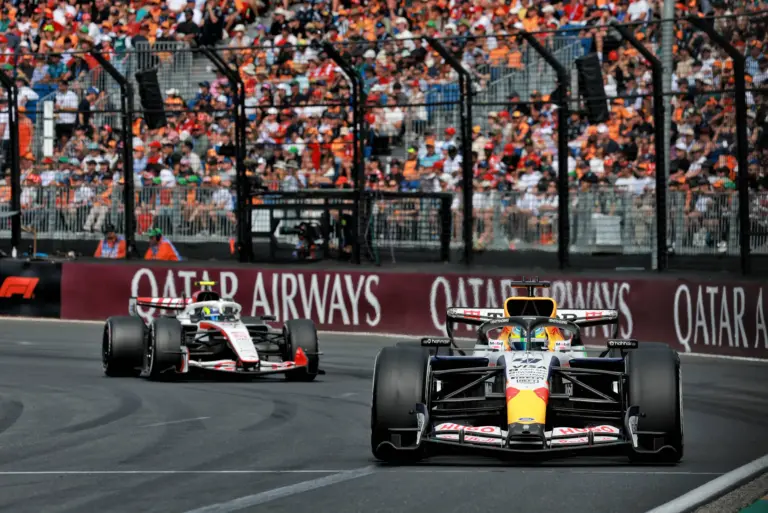
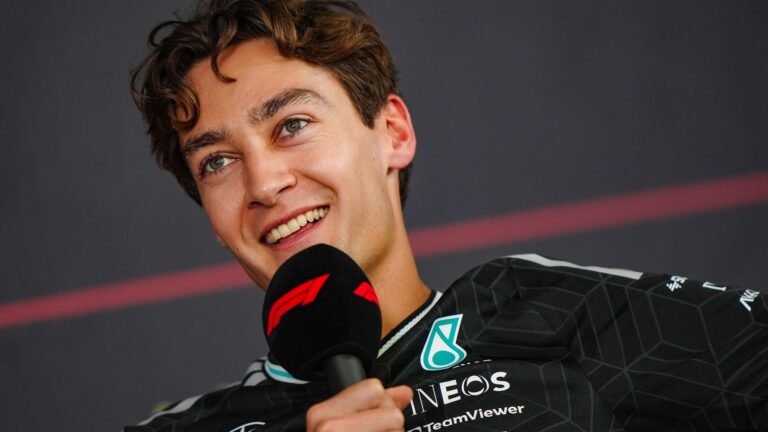
Verstappen struck the penultimate corner on his final Q3 lap, triggering a single-waved yellow. Drivers only lifted slightly, and George Russell passed the zone and claimed pole position.
The severity of the signal proved contentious, with several arguing a double yellow or red was warranted. Sainz accepts Russell complied, but wants a stronger response to such incidents.
Sainz proposes an automatic three-place grid drop for any driver causing yellow or red flags in qualifying.
He argues allowing others to finish laps under partial cautions introduces risk and distorts competition. Sainz’s rule-change proposal targets scenarios where an accident hinders rivals’ final attempts.
Sainz highlights cases where a crash on a pole-setting lap, followed by a red flag, preserves a potentially unrepresentative order. A fixed penalty would deter over-commitment that jeopardizes competitors’ laps.
The yellow for Verstappen’s Q3 crash remained single-waved as George Russell secured pole.
Although Verstappen’s issue may have been mechanical, Sainz believes current rules insufficiently discourage disruptive incidents. He says fairness and safety must be prioritized before marginal gains.
The debate expands beyond one event. Verstappen’s own media message has added context, while recent flashpoints involving Lando Norris and Verstappen keep scrutiny high across parc fermé weekends.
Sainz plans to take the idea to the Grand Prix Drivers’ Association. The sprint format in Austria compressed schedules, but he expects a thorough discussion in upcoming meetings.
Sainz will raise the proposal with the GPDA despite sprint weekend timing constraints.
Regulatory clarity remains central. Distinguishing between single- and double-waved yellows, and when to throw a red, currently relies on judgement under pressure and evolving track conditions.
Competitive stakes are clear. Late-session incidents can lock in a grid unfairly. With the 2026 Formula 1 calendar featuring demanding venues, teams want predictable, deterrent-based rules.
The paddock expects continued monitoring and consultation. The tussle between spectacle and safety persists, and Austria’s Q3 provides a timely case study for possible refinement.
The discussion also reflects heightened rivalry narratives, amplified by recent exchanges between Lando Norris and Max Verstappen, that push drivers to the limit in qualifying.
For now, Verstappen’s crash underscores how current procedures shape outcomes. Sainz’s penalty push ensures the issue stays on the GPDA agenda in the coming months.
Visual Summary
✖
Verstappen
Crash
🏁
Russell
Pole
🛑 3-Place Grid Penalty?
Sainz says: “Cause a flag, lose your spots.”
⚠️
Penalize drivers who trigger yellow or red flags in qualifying
Penalize drivers who trigger yellow or red flags in qualifying
No more crash &
lock-out pole laps
The debate is on: Should F1 punish flag-causing errors in qualifying?
🏁 Expect action at future Drivers’ Association meetings.
🏁 Expect action at future Drivers’ Association meetings.
James William covers the IMSA WeatherTech SportsCar Championship, from the Rolex 24 at Daytona to sprint-race formats. His reports include prototype performance reviews, GT class battles, and pit-stop strategy insights for endurance-racing fans.