https://shop.fervogear.com/cart

Red Bull Driver Issues Urgent Silverstone Warning Ahead of Tough Challenge

Highlights
- Silverstone GP challenges teams with severe energy management issues.
- Limited braking zones reduce opportunities for battery regeneration.
- Energy efficiency crucial under new power unit regulations.
- Race strategy and engineering decisions key to performance.
- Red Bull to protect Verstappen’s lead amid tough conditions.
- British GP on July 5 will test endurance and precision.
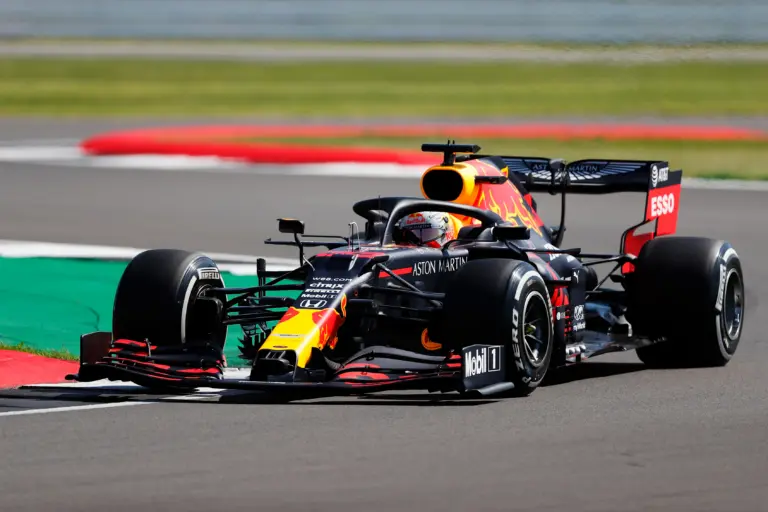
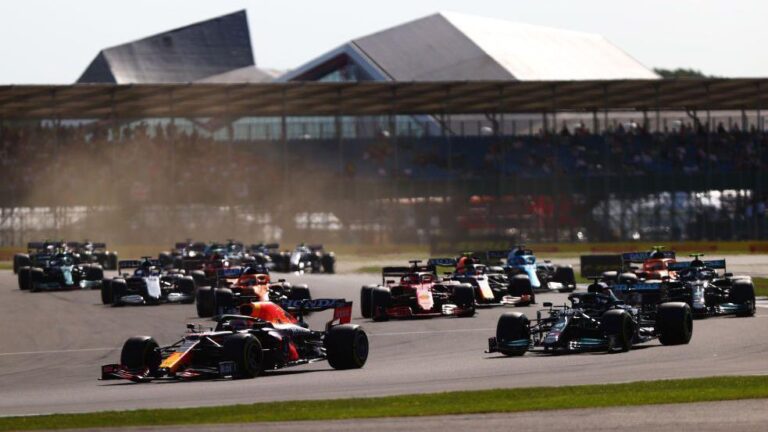
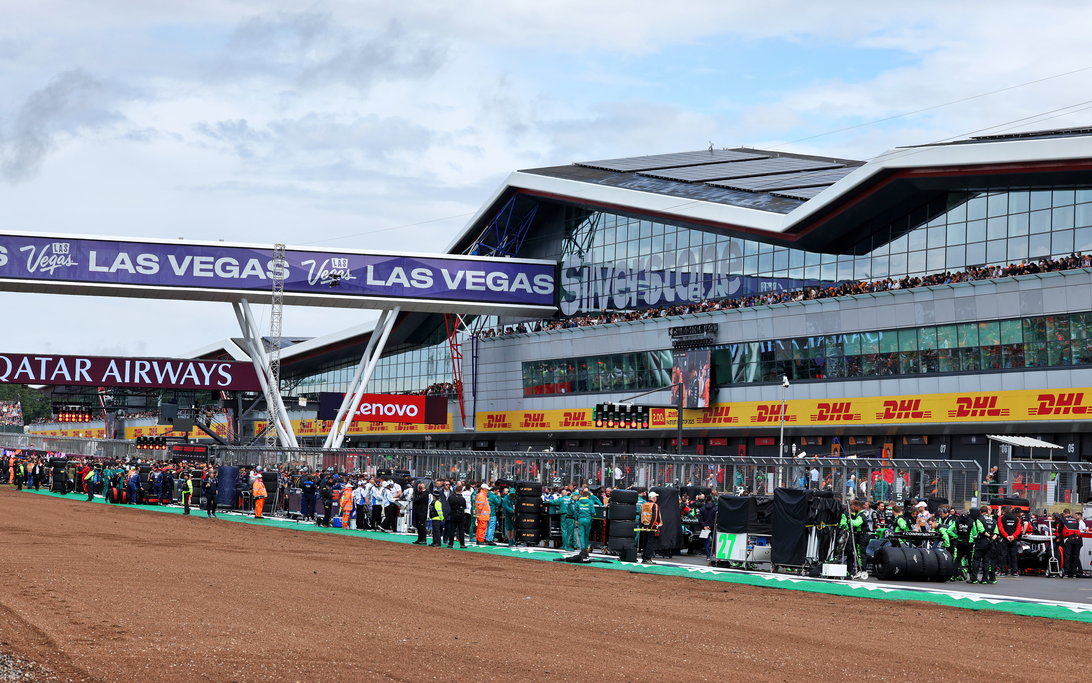
Red Bull faces a severe energy test at the British Grand Prix on July 5, as Silverstone’s high-speed layout and scarce heavy braking restrict battery recovery and threaten stint pace.
The scenario mirrors Melbourne, where drivers depleted stored energy on straights and paid for it over longer runs, exposing the cost of poor hybrid deployment timing.

Simulator driver Sébastien Buemi, fresh from work during the Austrian weekend, underscores how few braking events complicate MGU-K regeneration under current power unit rules.
That shifts emphasis to efficiency over spectacle, with teams trimming deployment to sustain charge across Silverstone’s long, aerodynamically loaded sequences.
Silverstone’s high-speed sweeps offer few braking phases, starving MGU-K recovery.
The challenge is universal, but execution will differ. Gains hinge on mapping, lift-and-coast discipline, and trading corner speed for recharge opportunities.
Red Bull must balance that calculus while protecting Max Verstappen’s lead, a theme explored in the live Silverstone build-up coverage.
Podcast discussion also covers Kimi Antonelli’s recent mistakes and their effect on confidence, which could influence decision-making under energy constraints.
Silverstone’s core test runs from Turn 7 to Turn 16, where sustained high speed limits braking and harvesting, magnifying any inefficiency in settings or driving technique.
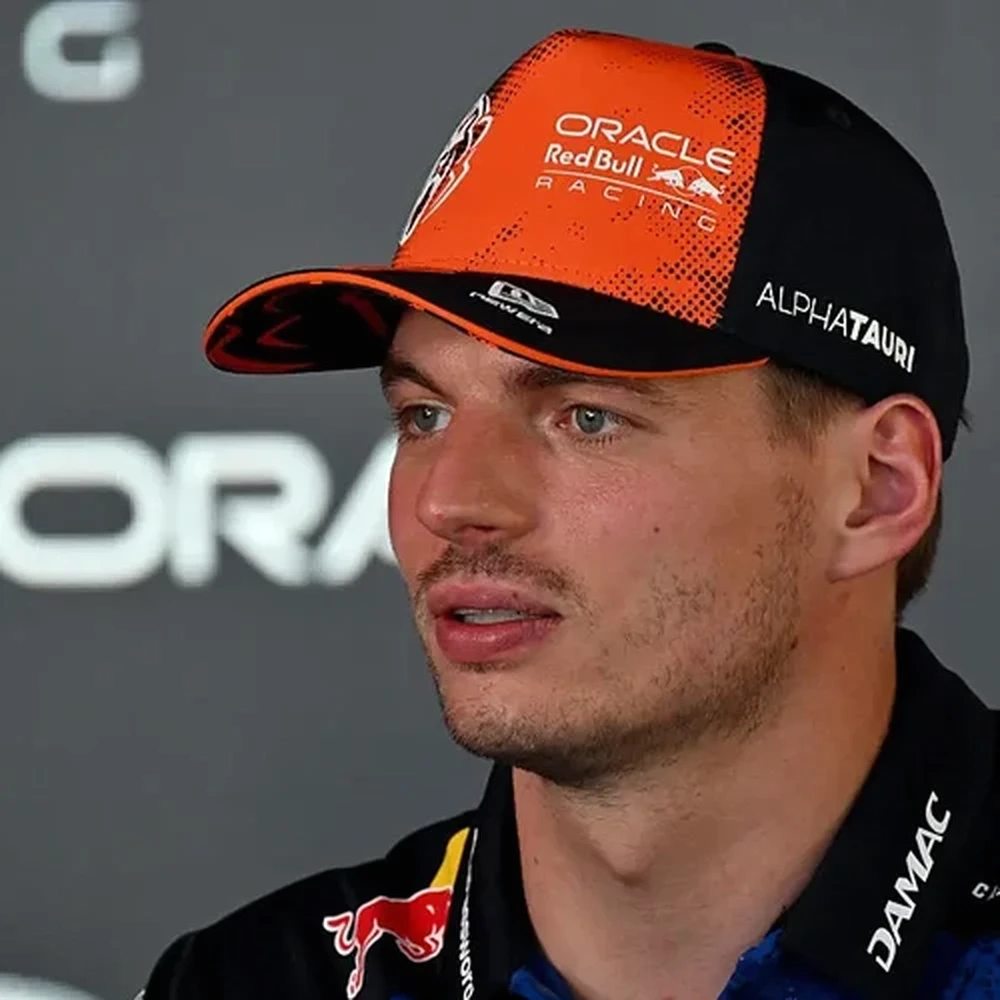
Energy deployment timing could swing stint pace more than raw tyre life.
With few recharge windows, deployment choices can swing stint pace more than tyre life, particularly when cars sit in turbulence and lose corner stability.
Teams will track state-of-charge aggressively in practice, shaping run plans and race targets around the narrow margin between attack and depletion.
[promptart_end]
Over-deploy on the Hangar and Wellington straights, and the payback arrives mid-lap, when the battery runs lean through the high-load complexes.
Buemi’s simulator insight highlights the scarcity of reliable harvesting points across the lap.
Conservative mapping, meanwhile, preserves charge but risks conceding track position, placing a premium on undercut timing and any well-timed safety-car interruption.
Expect incremental software tweaks and brake-by-wire refinements as teams chase cleaner harvesting without unsettling entry stability.
For Red Bull, the baseline remains strong, yet rivals sense opportunity where energy efficiency compresses outright performance at power-sensitive venues like Silverstone.
The result will shape development priorities for upcoming rounds and could nudge championship momentum through the summer stretch.
For timings and broadcast details, check the British GP weekend schedule before lights out.
Deeper context on Red Bull’s approach sits in our British Grand Prix preview, with updates running throughout practice and qualifying.
Visual Summary
Red Bull
Low Battery
Charge
ENERGY STRESS TEST
Rivals
Low-ish
Silverstone: Who’ll Outlast the Charge?
High-speed corners, scarce braking, and critical energy limits put Red Bull and their rivals to the test. The winner? The team that masters battery strategy without losing pace.
🔋
Hybrid deployment is everything.
Hybrid deployment is everything.
Drivers must balance speed & regeneration, or risk running on empty before the chequered flag.
Race strategy comes to the forefront.
Race strategy comes to the forefront.
Lap after lap— Who manages energy best wins.
Silverstone GP July 5
All eyes on Verstappen, Red Bull & the limits of F1’s hybrid era
All eyes on Verstappen, Red Bull & the limits of F1’s hybrid era

Daniel Miller reports on Formula 1 Grand Prix weekends with race-day analysis, team-radio highlights, and point-standings updates. He explains power-unit upgrades, aerodynamic developments, and driver rivalries in straightforward, SEO-friendly language for a global F1 audience.