

https://shop.fervogear.com/cart

How F1 Drivers and Strategists Master the Belgian Grand Prix Challenge

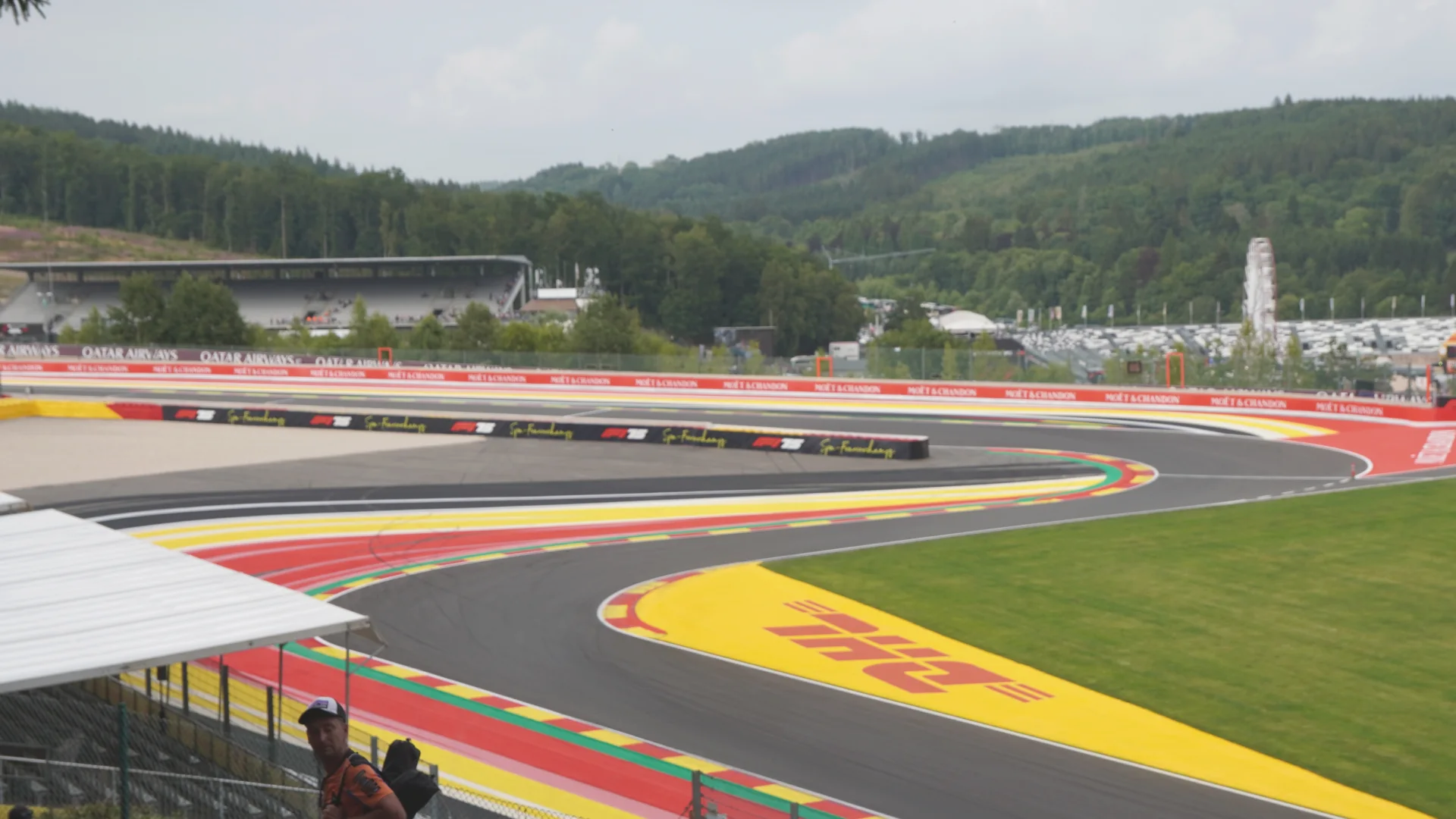
Highlights
- Spa-Francorchamps is a 7.004 km fast and challenging F1 circuit.
- Weather at Spa is unpredictable, affecting race and tire strategies.
- Active aero and Overtake Mode add complexity to 2026 race strategies.
- Spa demands balancing downforce for corners and speed on straights.
- Energy recovery at Spa influences driver race approach and tactics.
- 2026 Belgian GP will test teams’ adaptation and strategic decisions.
The 2026 Belgian Grand Prix at Spa-Francorchamps hinges on rapid judgement, evolving regulations, and volatile weather. Strategy, not just pace, decides outcomes on F1’s longest lap.
At 7.004km and around 1m50s per lap, Spa punishes errors. A mistimed stop carries a long wait before another chance to switch tyres or reset strategy.

Microclimates routinely split the track, making forecasts unreliable and pit windows fragile. Teams monitor live cells as closely as lap time trends, as outlined in this Spa weather outlook.
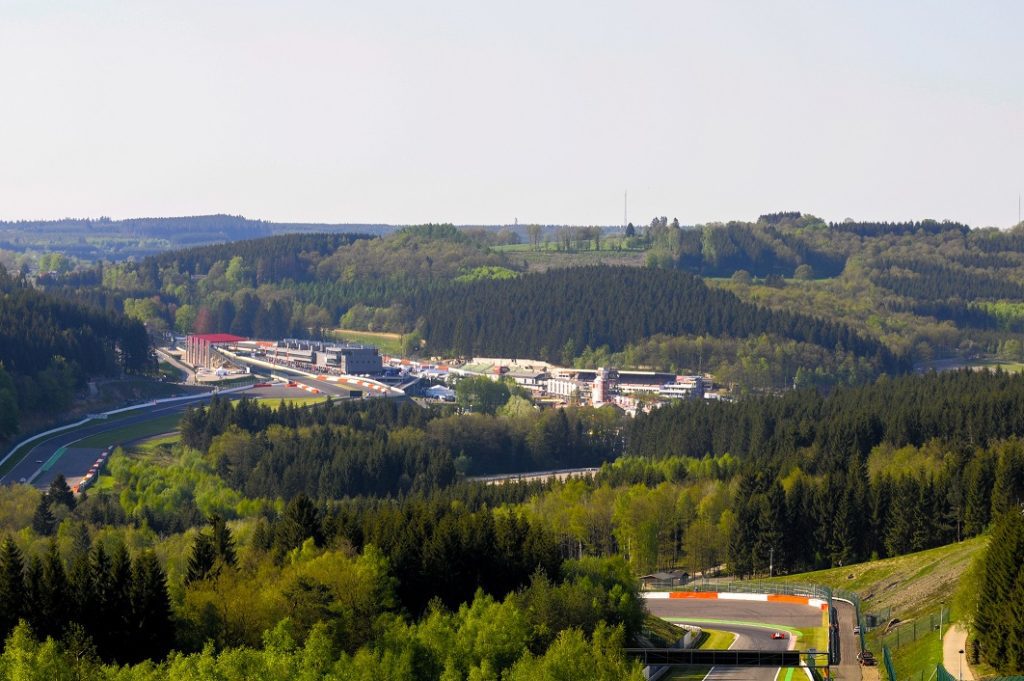
Strategy sits on a knife-edge between one and two stops. Active aero and Overtake Mode in 2026 add variables to how teams trade peak downforce against drag.
Sectors one and three reward efficient cars on full throttle. Sector two prioritises load and stability, but extra downforce slows the car on the Kemmel Straight and pit straight.
Spa is a constant trade-off: add load for sector two, or trim drag to survive the straights.
Drivers need confidence at high speed while keeping braking stability into chicanes. That balance is essential through Pouhon, Les Combes, and Rivage on low-downforce trims.
Energy management is a larger lever this year. Spa’s recovery zones allow more consistent harvesting and deployment than power-sensitive tracks like Silverstone.
Practice priorities reflect that complexity. Engineers chase tyre behaviour, aero efficiency, and energy maps while staying within restricted in-weekend setup changes.
Tyring the car correctly remains decisive at Spa. Compound choice, warm-up, and degradation trends steer pit windows and undercut risk, as detailed in the tyres, teams, and drivers briefing.
Energy recovery and deployment profiles will shape overtakes and defence on Kemmel and into the Bus Stop.
Track length widens deltas for in-laps and out-laps, altering undercut versus overcut dynamics. Safety cars or VSCs can swing strategies far more than at shorter circuits.
Spa’s history underlines timing and adaptability. Schumacher’s 1992 win came from bold tyre calls; 2008 rewarded Heidfeld’s late wet switch, while modern stewarding remains influential, as seen with Hamilton’s Belgian GP penalty.
Risk, taken at the right moment, brings outsized reward at Spa-Francorchamps.
Ultimately, the teams that best correlate simulation to live conditions should thrive. Expect rapid pivots on setup and energy use across the 2026 Belgian Grand Prix weekend as strategies evolve lap by lap.
Visual Summary
Spa’s Decisive Dilemma
Speed, Rain & Strategy
Risk vs. Reward⚡
Play it Safe
Big Gamble
Big Gamble
7.004
km / Lap — Spa: F1’s Longest Challenge
km / Lap — Spa: F1’s Longest Challenge
🌦️
Unpredictable weather splits strategies:
Sun in one corner, rain in the next.
Unpredictable weather splits strategies:
Sun in one corner, rain in the next.
🪂
Active Aero 2026: Balancing downforce for corners, minimizing drag for speed. Welcome to F1’s new tech testbed.
Active Aero 2026: Balancing downforce for corners, minimizing drag for speed. Welcome to F1’s new tech testbed.
1992
1st Win
Schumacher
Clever tire call in changing weather
1st Win
Schumacher
Clever tire call in changing weather
2008
7th → 2nd
Heidfeld
Brave wet tire pit in sudden downpour
7th → 2nd
Heidfeld
Brave wet tire pit in sudden downpour
Daniel Miller reports on Formula 1 Grand Prix weekends with race-day analysis, team-radio highlights, and point-standings updates. He explains power-unit upgrades, aerodynamic developments, and driver rivalries in straightforward, SEO-friendly language for a global F1 audience.