

https://shop.fervogear.com/cart

McLaren’s Surprising Crisp Analogy Unlocks New F1 Rules Explained

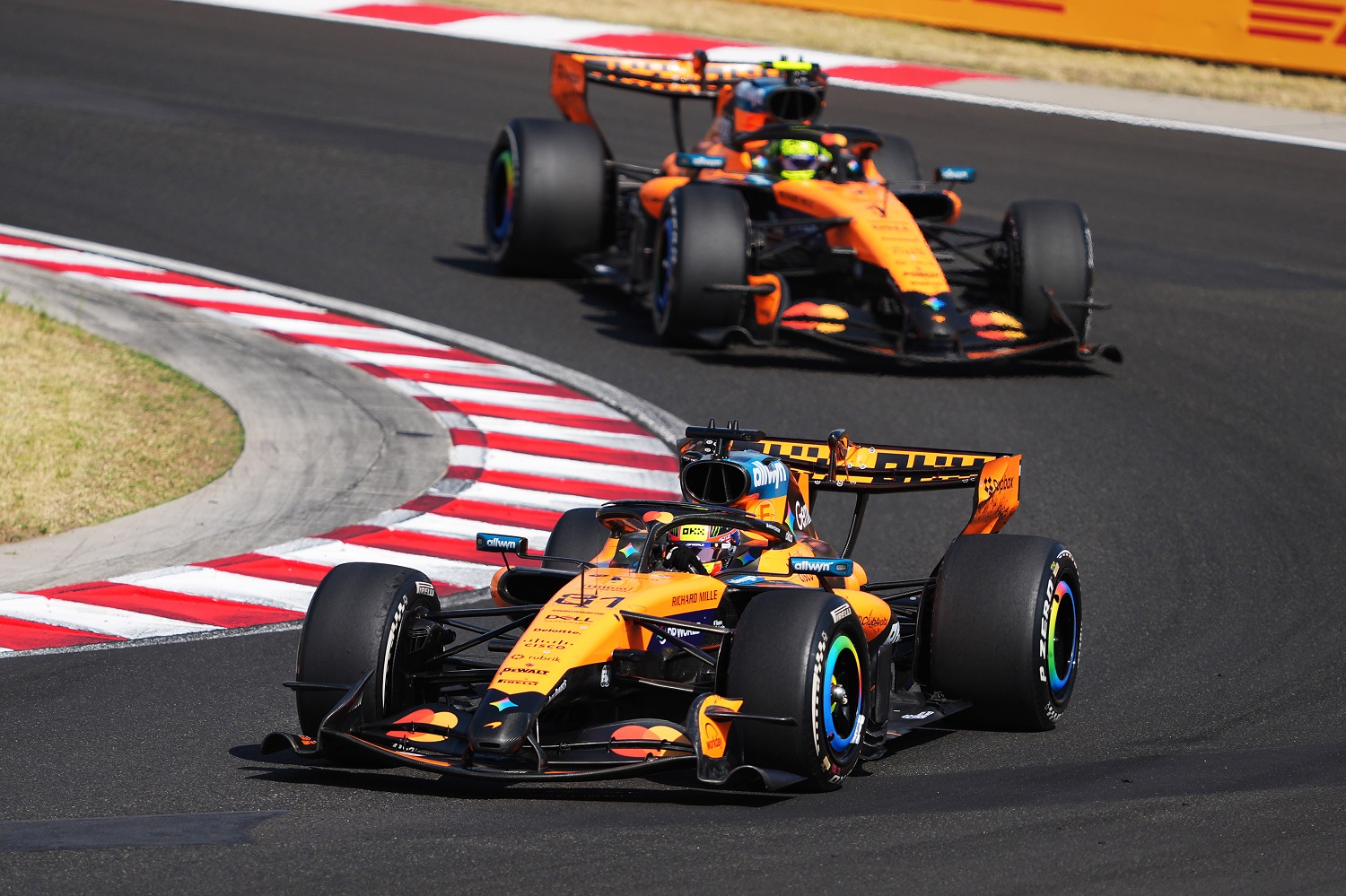
Highlights
- McLaren compares 2026 F1 regulations to different crisp flavors.
- Chassis changes likened to familiar yet new crisp flavor variants.
- 2026 power unit is a major shift, compared to tortilla chips.
- MGU-H removed; power split changes to roughly 50:50 combustion-electrical.
- Drivers struggle with energy management and adaptation this season.
- McLaren faces mixed start amid technical upgrades and driver challenges.
McLaren technical director for performance Mark Temple uses a crisp analogy to explain Formula 1’s 2026 rules, midway through a season of smaller cars, active aero, and reworked power units.
He aims to separate continuity from upheaval: the chassis retains familiar traits, but behaviour changes. It’s like a new flavor on a known snack, recognisable yet distinct on-track.

Temple calls today’s chassis “ready salted” evolving into paprika or smoky bacon. The fundamentals persist, yet handling, compliance, and balance shift enough to demand fresh setup understanding.
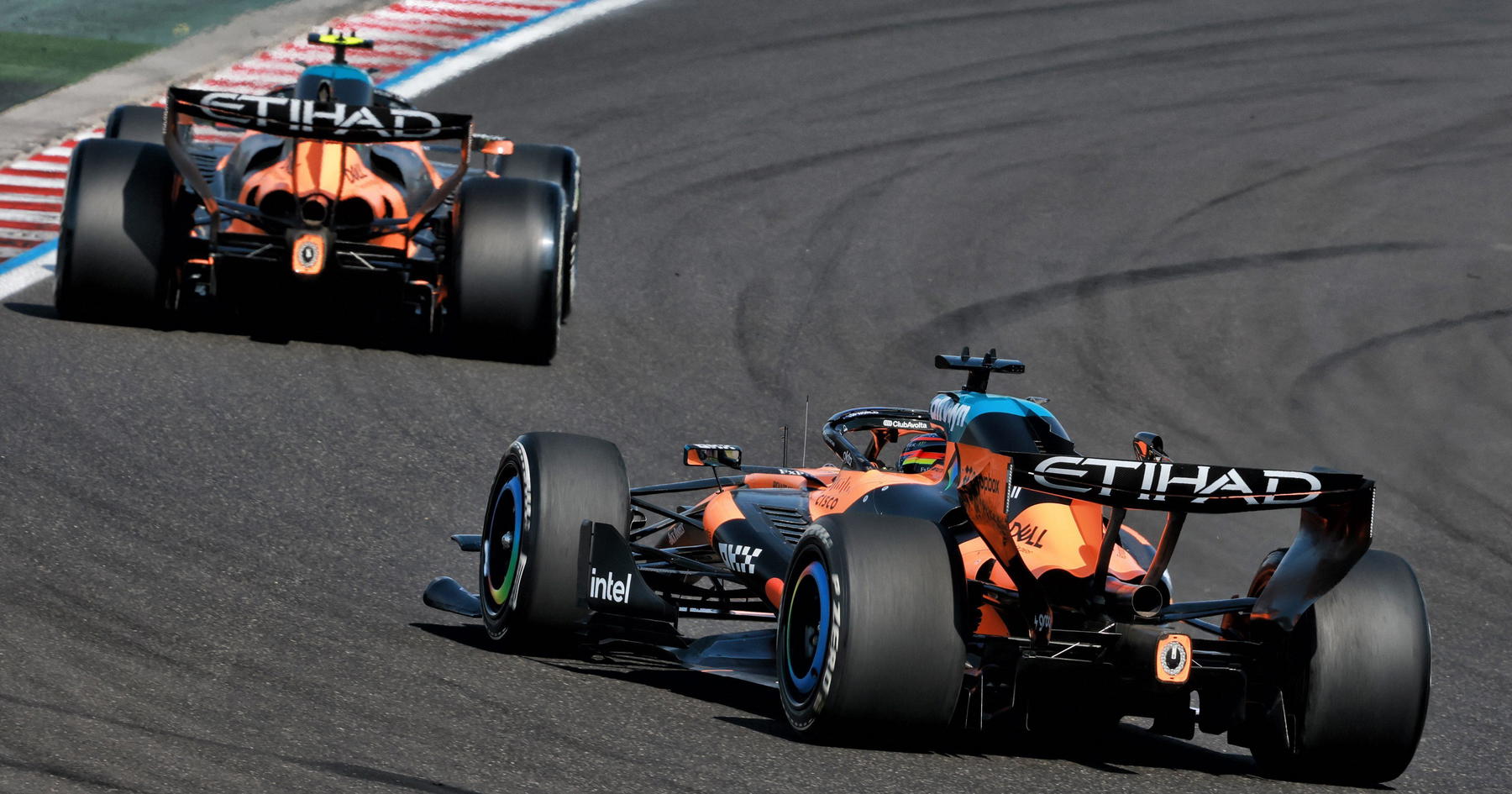
The power unit, he argues, is the real rupture. Think regular crisps to tortilla chips. The MGU-H disappears, the split nears 50:50, and MGU-K output approaches 350 kW.
That forces rigorous energy management. Lando Norris laments difficult drivability after Australia qualifying, labelling these cars the worst to drive, as explored in McLaren’s recovery analysis.
MGU-K output rises to around 350 kW, reshaping harvesting and deployment strategy.
Oscar Piastri adds that Spa qualifying can feel computer-led, not driver-led, underlining the sensitivity to deployment maps and harvesting windows, as discussed in McLaren’s Piastri outlook.
Temple accepts the simulator-to-track gap. Practising techniques in isolation differs from wheel-to-wheel racing, where defending, attacking, and lift-and-coast choices collide with battery state and thermal limits.
Misjudge the system and drivers feel immediate power loss, particularly on straights. The workload becomes intensely physical and cognitive, demanding constant recalibration through traffic and safety-car disruptions.
McLaren’s opening phase is mixed. Upgrades land alongside an adaptation curve that punishes errors, as charted in the team’s season start overview and parallel assessments of a Mercedes-McLaren boost.
Power delivery now balances roughly 50:50 between combustion and electrical sources.
Competitive gains hinge on software sophistication, efficient harvesting, and synchronising active aero with deployment. The best packages minimise clipping and protect top speed while safeguarding tyre life.
Expect iterative steps as correlation improves. Drivers adapt, engineers refine maps, and operations evolve. The crisp analogy fits: familiar chassis notes, but a fundamentally different powertrain experience shaping 2026 racing.
“Chassis familiarity remains, but the power unit is a different product,” Temple says.
Visual Summary
READY SALTED
➔
FLAVOUR
FLAVOUR
SMOKY BACON
DRAMATIC SHIFT
TORTILLA CHIP
2026 F1 regs: A familiar snack, but a whole new taste!
McLaren’s Mark Temple explains: Chassis tweaks are just new crisp flavors…
But the Power Unit? It’s like switching to tortilla chips – totally different to drive!
McLaren’s Mark Temple explains: Chassis tweaks are just new crisp flavors…
But the Power Unit? It’s like switching to tortilla chips – totally different to drive!
350
kW MGU-K OUTPUT
(triple boost – wild new energy demands!)
2026: Drivers juggle energy flow, speed & brainpower — every lap!
Use too much ⚡ or 🔥… and rivals ZOOM by!
Precision energy management is the new lap-time battleground.
Precision energy management is the new lap-time battleground.
Formula 1’s menu has changed: same snack, brand new recipe.
The paddock’s learning to love the new taste.
The paddock’s learning to love the new taste.

Daniel Miller reports on Formula 1 Grand Prix weekends with race-day analysis, team-radio highlights, and point-standings updates. He explains power-unit upgrades, aerodynamic developments, and driver rivalries in straightforward, SEO-friendly language for a global F1 audience.