
https://shop.fervogear.com/cart

F1 Drivers Criticize Spa Track for ‘F3-Level’ Power Struggles

Highlights
- Max Verstappen criticizes 2026 F1 cars’ power at Belgian Grand Prix
- Spa sector two power output likened to Formula 3 cars
- Energy constraints reduce Spa power to Formula 2 car levels
- Active aero wings cause sharp speed drops at Blanchimont corner
- GPDA’s Carlos Sainz calls for rule improvements next season
- Drivers say current cars make Spa less exciting and challenging
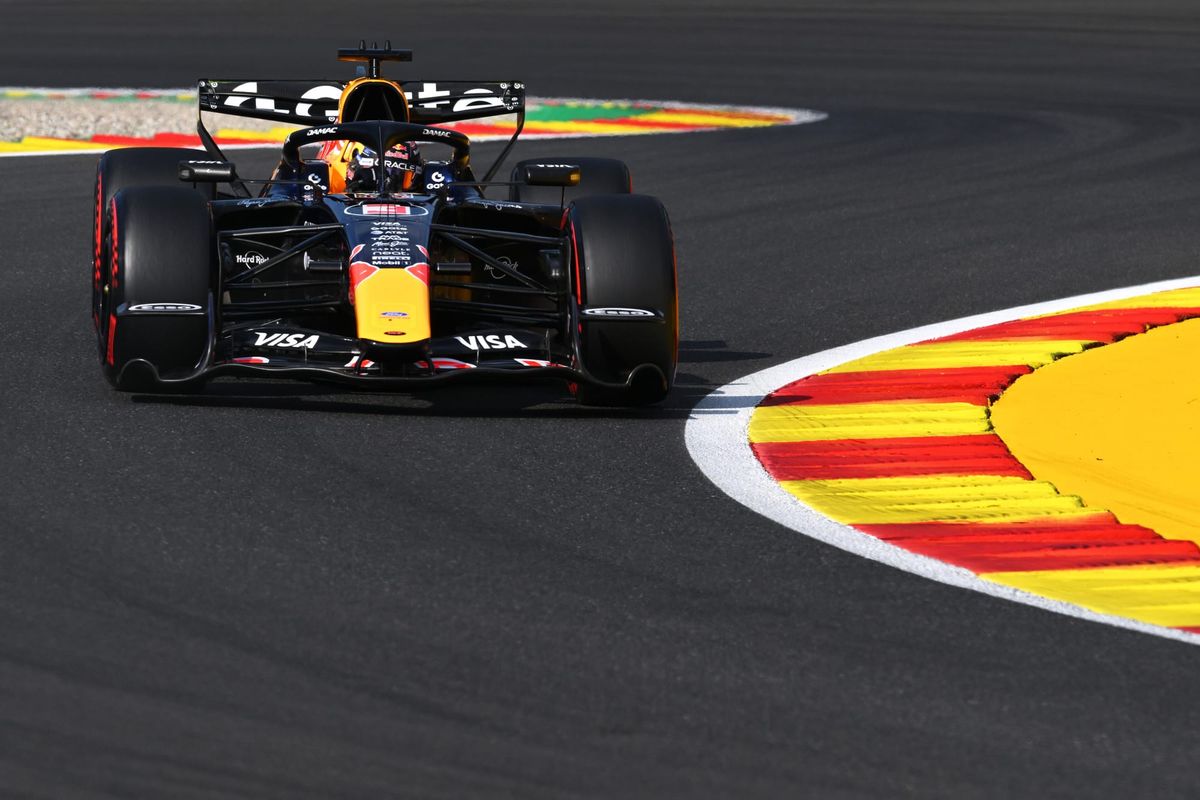
Max Verstappen warns the 2026-spec Formula 1 cars lack usable power at Spa during the Belgian Grand Prix weekend, saying sector two feels like F3 in output.
The Red Bull driver qualifies second but criticizes energy deployment and active-aero regulations that blunt performance through the mid-lap power zones.

“Sector two relies on roughly 450–500bhp,” Verstappen says. “It’s F3-like power with F1 aero.”
He estimates only 450–500bhp available through much of sector two, pairing junior-category output with top-class drag and downforce. The mismatch dulls the challenge and hurts engagement.
In theory the hybrid units reach around 1000bhp. At Spa, energy limits pull effective numbers toward Formula 2 territory, near 620bhp over the lap’s longest demand phases.
The swings between modes are stark. Lando Norris says the switch from straightline to corner settings can feel like “driving a Formula 4 car,” especially across Spa’s transitions.
Active deployment peaks near 1000bhp, then dips to roughly 550–600bhp exiting corners, drivers report.
Active aero compounds that behaviour. At Blanchimont the movable surfaces close abruptly, cutting speed without braking and unsettling the platform into the next sequence.
Oscar Piastri argues Pouhon has lost character, becoming “a bend in the straight” as power tails off mid-corner and the car loads up with drag.
Ollie Bearman offers a calmer take. He still rates Spa a classic, but says the present machinery makes it less rewarding and less fun to attack.
The characteristics of Spa-Francorchamps magnify the deficits. Long full-throttle phases expose energy shortfalls and punish mistimed switch points.
Drivers say sudden wing closure at Blanchimont slashes speed without a braking zone, demanding precise timing and confidence.
Verstappen accepts he must adapt yet repeats concerns echoed in his comments on Red Bull performance at Spa, calling the experience less thrilling than expected.
GPDA director Carlos Sainz says few drivers enjoy qualifying as much as last year and calls for targeted improvements next season and beyond.
He suggests 2022–2023 simulations should have triggered firmer intervention, implying today’s compromise is foreseeable and avoidable.
Verstappen’s irritation also surfaces over team radio, mirroring themes from his recent radio outburst about deployment and cornering trade-offs.
Even so, competition stays intense. Teams hunt efficiency through energy management while the FIA weighs whether objectives align with on-track spectacle.
The paddock expects iterative updates to restore consistent power delivery and revive Spa’s challenge as the 2026 regulations bed in.
Visual Summary
Power Vanishing at Spa: F1 Giants
Forced to Race Like Juniors
Forced to Race Like Juniors
Verstappen, Piastri, Norris, and Sainz revealed Spa-Francorchamps lost its thrill as dramatic power drops turned iconic corners into ‘just bends in the straight’. Drivers say their F1 cars now feel like Formula 3—or worse.

➡️

?”
“One minute it’s a rocketship, the next… it feels like a Formula 3.”
— Spa 2026, a new power paradox.
— Spa 2026, a new power paradox.
🏁 😤 💨
Frustrated champions, vanishing horsepower, and hope: drivers want the real Spa magic back.

Daniel Miller reports on Formula 1 Grand Prix weekends with race-day analysis, team-radio highlights, and point-standings updates. He explains power-unit upgrades, aerodynamic developments, and driver rivalries in straightforward, SEO-friendly language for a global F1 audience.