

https://shop.fervogear.com/cart


F1 Cost Cap Changes Explained: What’s Proposed and When It Starts

Highlights
- F1 teams to discuss cost cap fix at November commission meeting
- Williams’ James Vowles leads proposal for sliding spending scale
- Catch-up system targets smaller teams struggling under current cap
- Super majority needed for 2027 rule change, simple majority for 2028
- Big four teams unlikely to support spending freedoms for rivals
- Discussion intensifies after Singapore GP, impacting smaller teams’ future
Formula 1 teams will debate a cost-cap catch-up mechanism at November’s F1 Commission, targeting 2027, as Williams boss James Vowles pushes to address a “cost cap trap” hampering smaller outfits.
Vowles argues the current framework has entrenched a two-tier grid, with four heavyweight teams stretching clear while legacy advantages remain locked in for them.

He warns that without change, trapped teams risk losing sponsors and investment, compounding poor results and depressing valuations, even though Williams credits the cap with stabilising spending.
Williams wants a sliding scale inside the cap, granting extra headroom to those outside the top four, with effects expected to take roughly three years to filter through.
Vowles: the cost cap’s stability is valuable, but legacy advantages risk becoming permanent without a structured catch-up mechanism.
Several formats are under review. One mirrors Aerodynamic Testing Restrictions, awarding the largest allowance to the last-placed team, tapering up to fifth.
Another proposes tiered relief akin to the ADUO engine catch-up, while a points-based trigger would activate only if teams fall at least 100 points behind the top four.
Governance is pivotal. A 2027 start demands approval from the FIA, FOM, and six team votes. A 2028 start needs the same bodies plus only four teams.
The big four are unlikely backers of extra freedoms for rivals. Their priorities include shifting specific burdens, such as cybersecurity, outside the cap, a stance Alpine contests.
Mercedes also highlights wage compression under the cap, complicating retention and recruitment, echoing its recent stance on broader rule tweaks.
Backing for Vowles spans Audi, Aston Martin, Alpine, and Cadillac. Haas opposes, spending below the cap and resisting rivals gaining headroom.
Supporters include Audi, Aston Martin, Alpine, and Cadillac; Haas stands against, fearing rivals will gain relative freedom.
Racing Bulls could prove decisive if Red Bull sees strategic value. Failing that, a 2028 introduction via simple majority remains a realistic fallback.
Operational realities underpin the push. Smaller teams face higher supplier costs, fewer in-house capabilities, and less financial optimisation, with Vowles estimating today’s car can cost about 30% more.
Alpine’s Steve Nielsen concedes historic under-investment. An under-resourced finance group reduced effective cap utilisation, diverting funds from upgrades like wings and floors.
Capital expenditure further skews competitiveness.
From 2020 to 2025 the CapEx limit was $36 million, with extra allowances for smaller teams last year.
Since 2026, all CapEx sits inside the $215 million cap via depreciation.
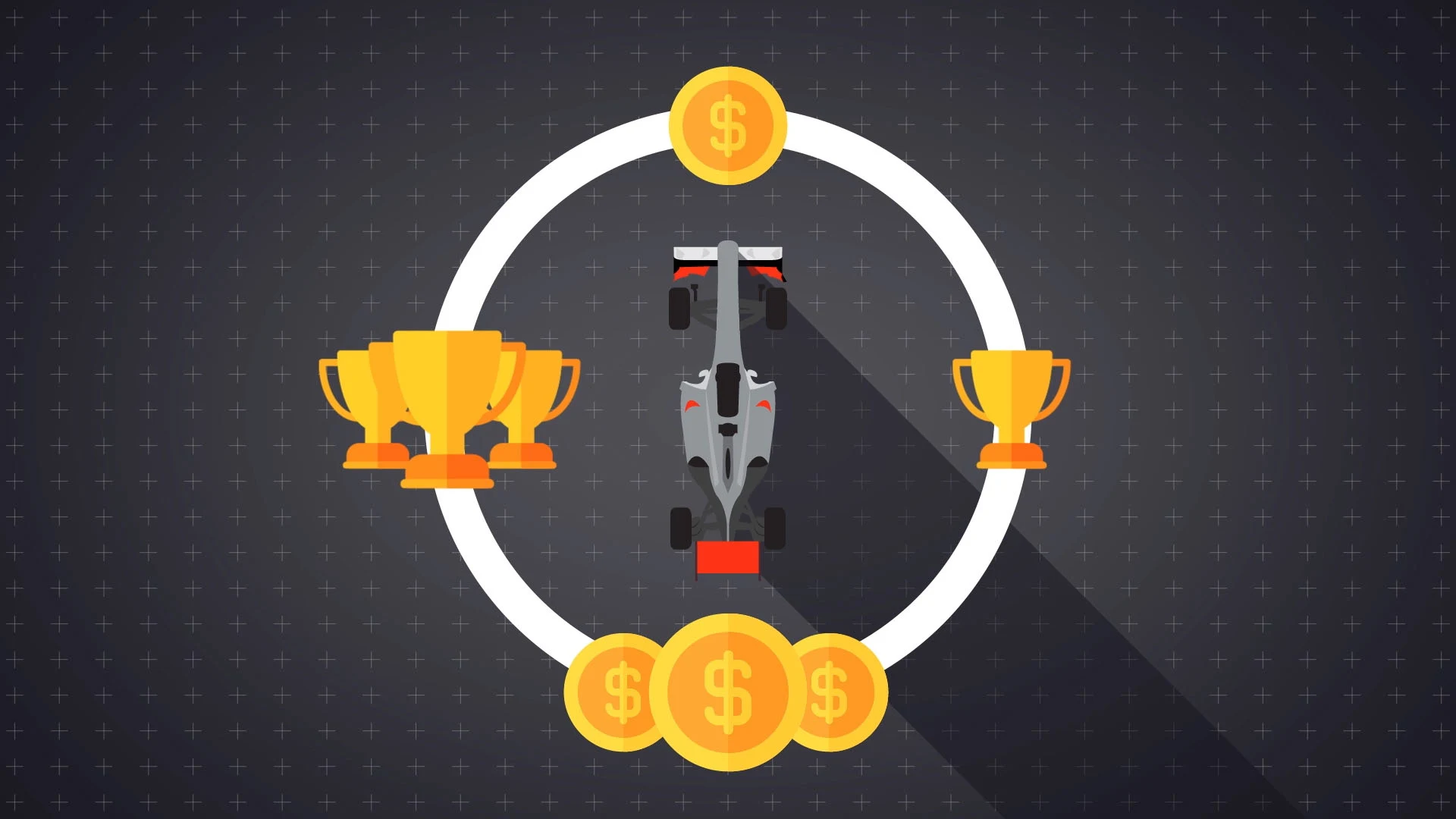
A $25 million wind‑tunnel project, depreciated over ten years, drains $2.5 million annually from development budgets, a heavier burden for outfits still building infrastructure.
CapEx now counts inside the $215m cap, forcing trade-offs between infrastructure and car development for teams playing catch-up.
McLaren sustained resources and rebounded before new facilities arrived. Williams, recovering from neglected infrastructure, faces a longer runway under today’s constraints.
Discussions intensified from Singapore, with November’s meeting set to define direction. The objective is competitive balance without abandoning fiscal discipline. That decision will influence how teams plan upgrades across seasons for 2027 and beyond.
Visual Summary
Williams’ Vowles 🧗♂️
wants a “catch-up” rule to let smaller teams
climb the mountain—but a cost cap trap blocks teams outside the top 4.
Only 1 vote short from major 2027 changes!
🔵 Support Change
Williams, Alpine, Audi, Aston, Cadillac
🔴 Oppose / Blockers
Haas (+big four)
Will the “trap” end and the gap close?
F1’s 2027 rule vote could decide if underdog teams ever climb to the summit.
F1’s 2027 rule vote could decide if underdog teams ever climb to the summit.

Daniel Miller reports on Formula 1 Grand Prix weekends with race-day analysis, team-radio highlights, and point-standings updates. He explains power-unit upgrades, aerodynamic developments, and driver rivalries in straightforward, SEO-friendly language for a global F1 audience.