https://shop.fervogear.com/cart
Get HOT DEALS ON
Auto Racing Fi
Save on SFI-rated auto racing suits, fire suits, gloves, shoes, and custom racewear built for drag, dirt, karting, and track racers.
As Featured On



*We don’t just display logos, you can access the link by clicking on it.
Built for Champions, Trusted by Racers
From drag racing and dirt track to karting and weekend events, FervoGear makes racing safety gear built for fit, protection, and speed.
Pre-Made Racing Fire Suits Ship in Days, Not Weeks
Skip the 4–6 week custom wait. Same SFI-certified Nomex — ready to wear now.
1-Piece & 2-Piece • 5 Sizes (S–2XL) • Free Shipping • Free 30-Day Returns
SFI-1 Single Layer — From $349


SFI-1 Save $250 
Thunder SFI-1 Auto Racing Fire Suit
$599$349 Free Shipping • Free Returns
SHOP NOW → 


SFI-5 Double Layer — From $449


SFI-5 Save $250 
Cobra 1-Piece Nomex Auto Racing Suit
$699$449 Free Shipping • Free Returns
SHOP NOW → SFI-5 Save $250 
Cobra 2-Piece Auto Racing Fire Suit
$699$449 Free Shipping • Free Returns
SHOP NOW → 

Go Custom
Need Your Team Colors & Sponsor Logos On It?
Same SFI-certified Nomex you see above — built to your exact design. We’ll create a free mockup in as little as 2 hours so you can see it before you commit.
- Same Premium Nomex
- Same SFI Certification
- Your Design & Colors
- Unlimited Revisions
Takes 17 seconds • No payment required • Free mockup in 2–24 hours
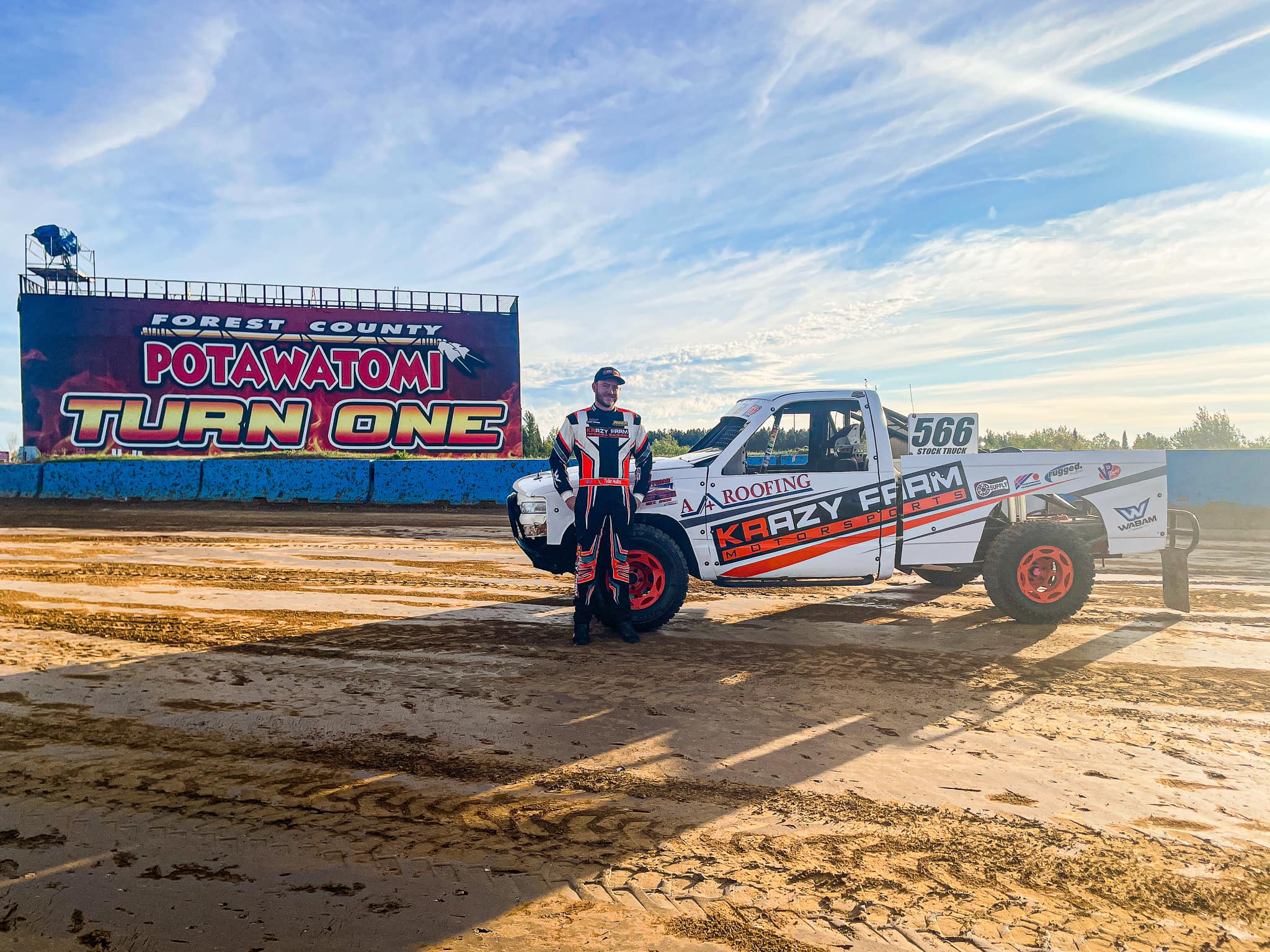
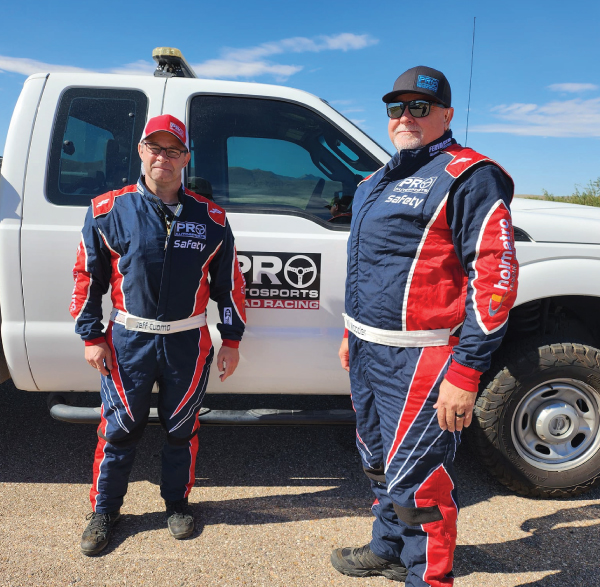
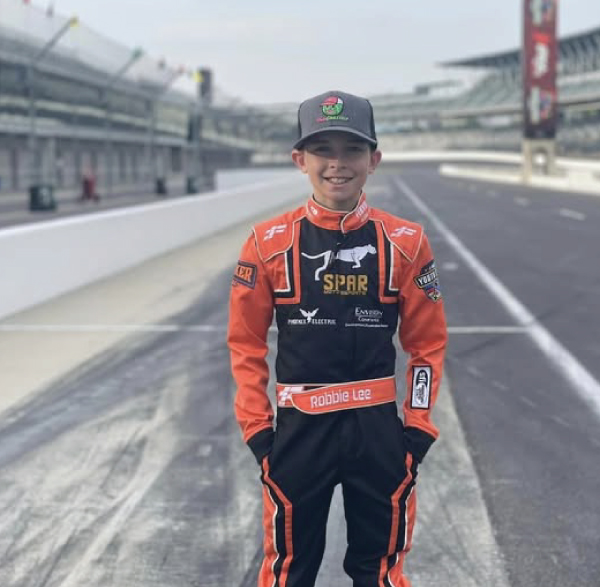
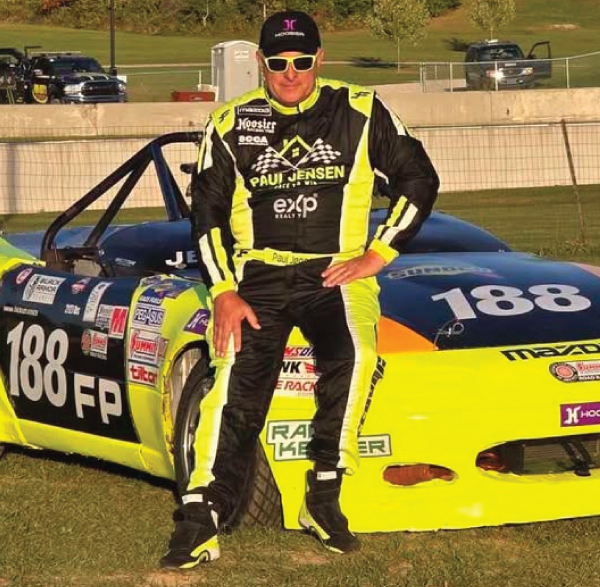
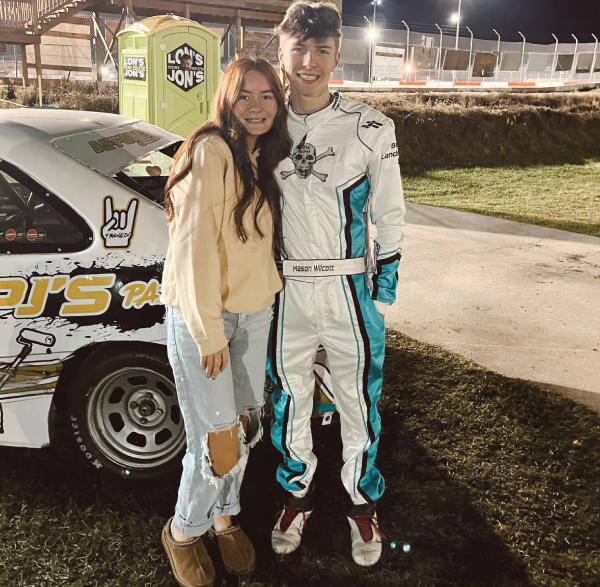
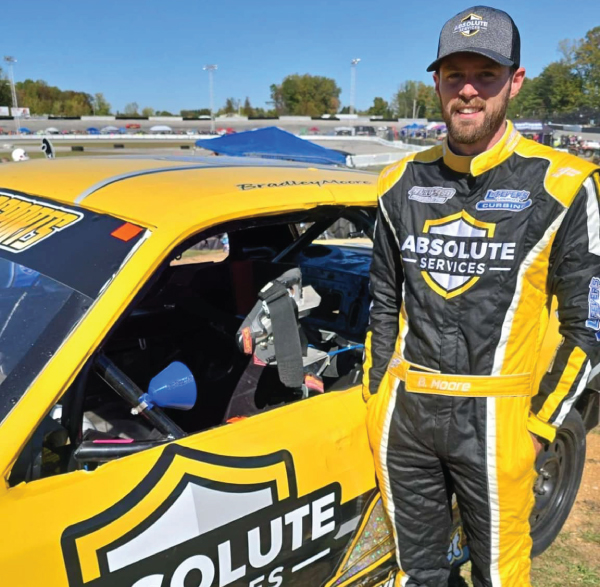
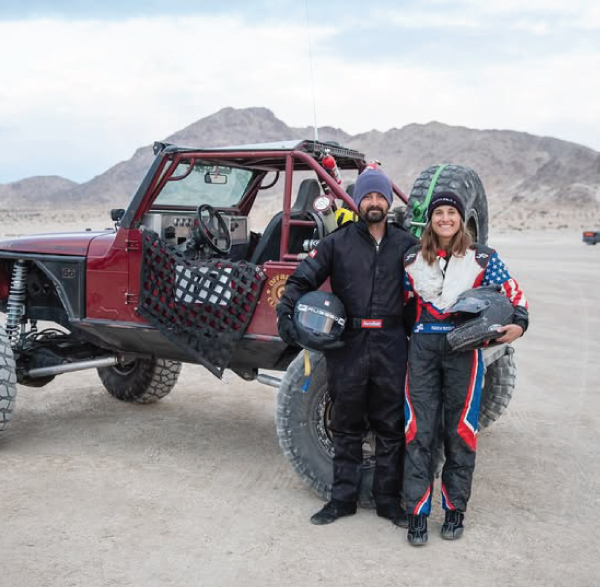
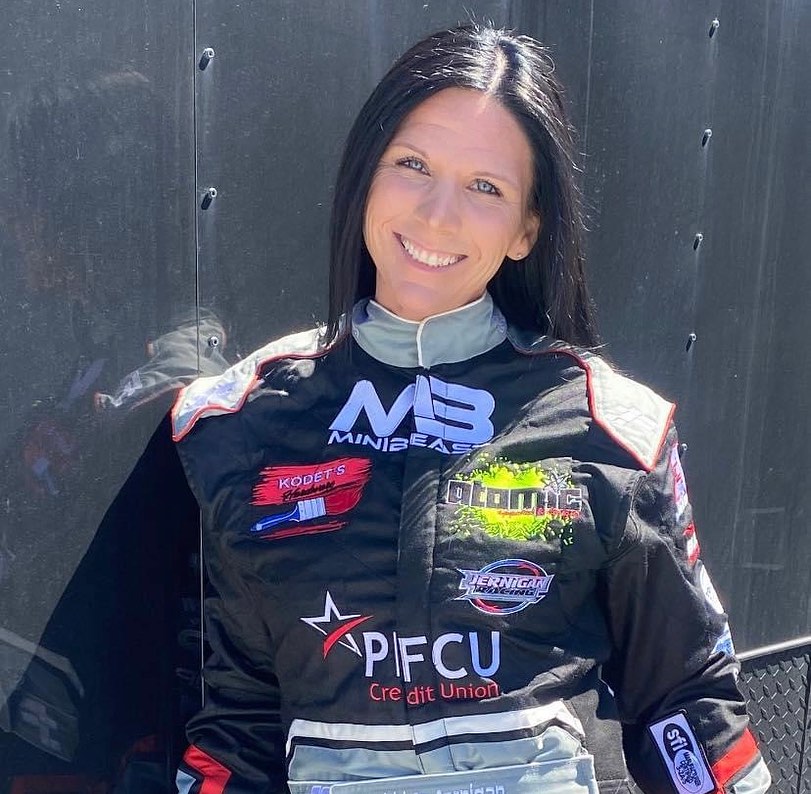
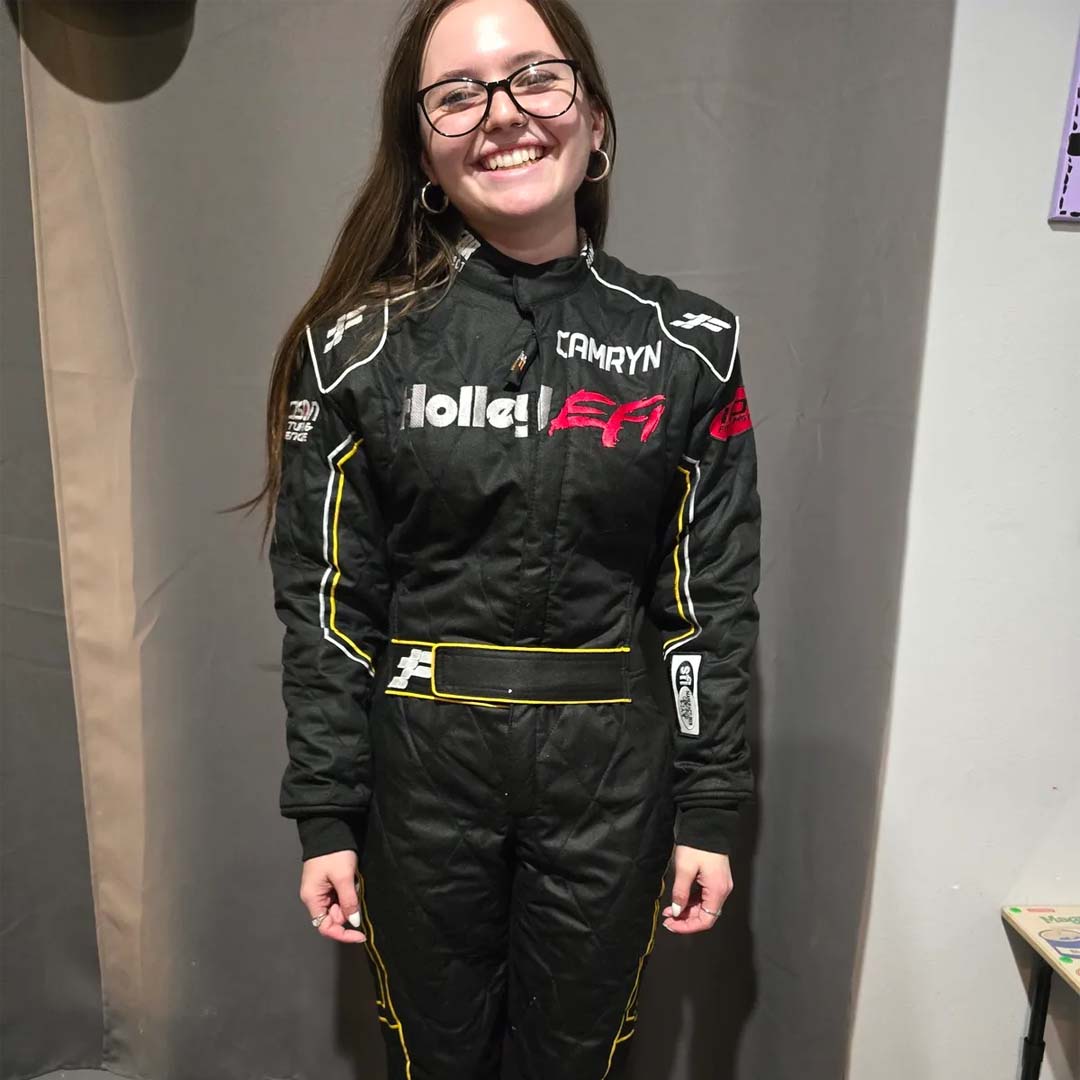
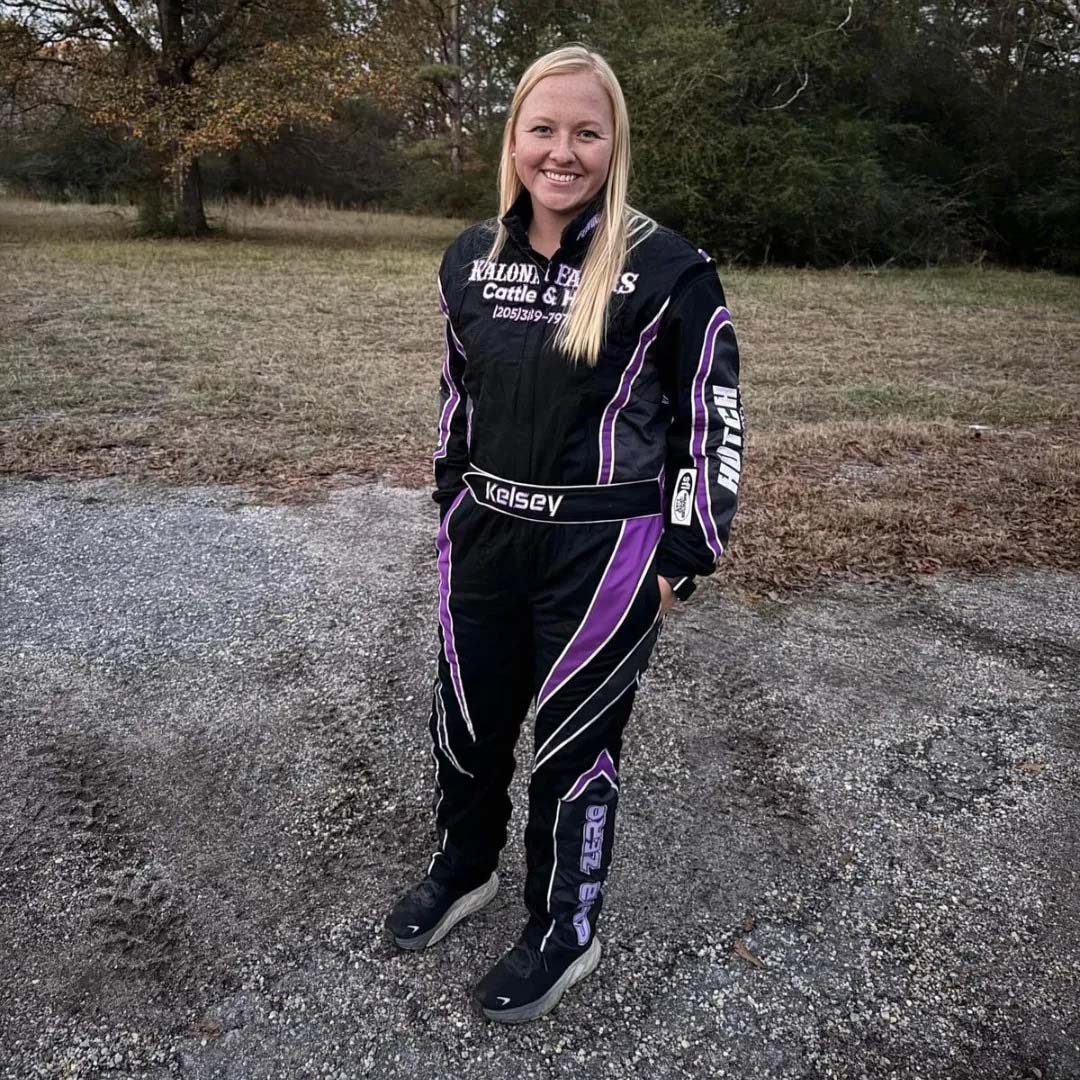
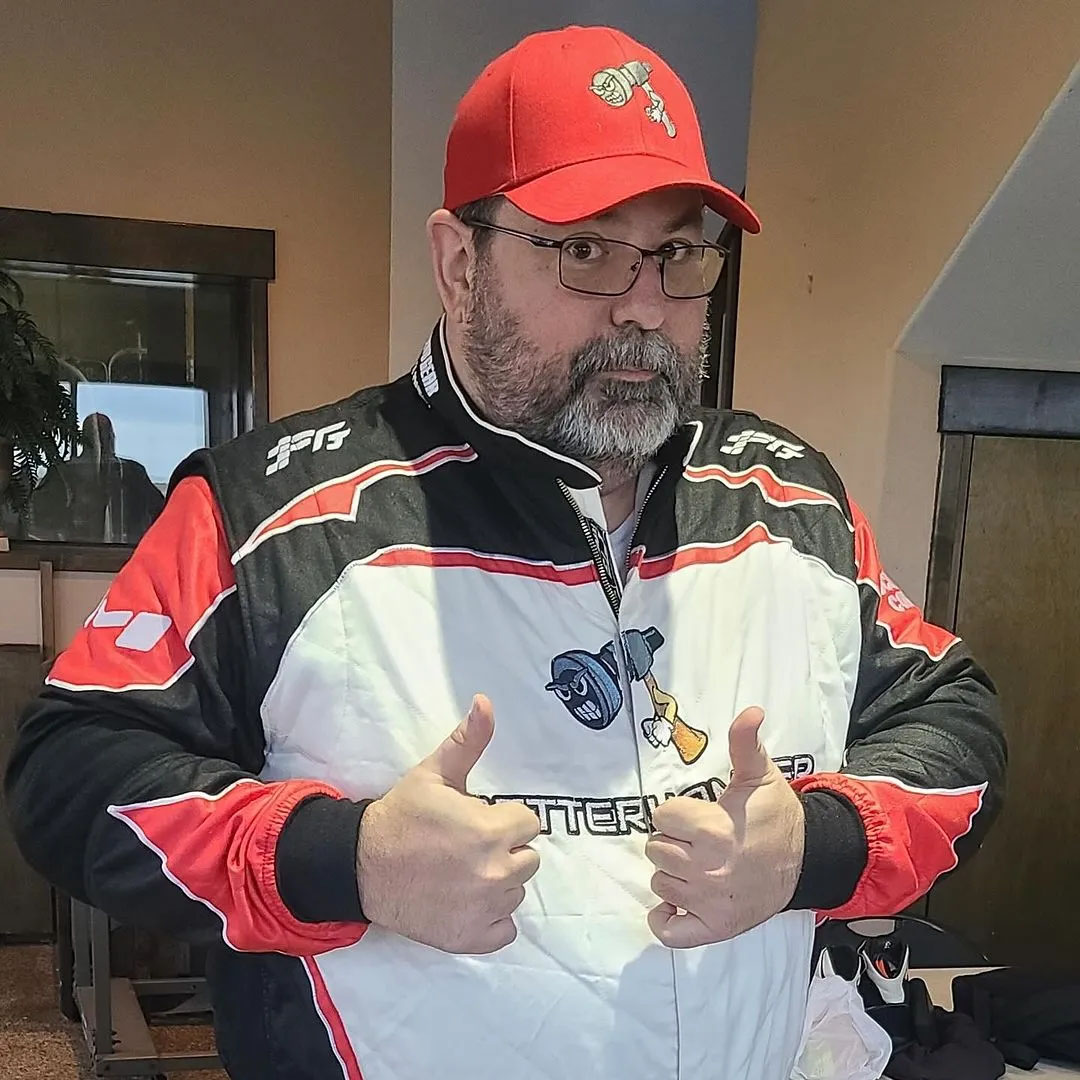
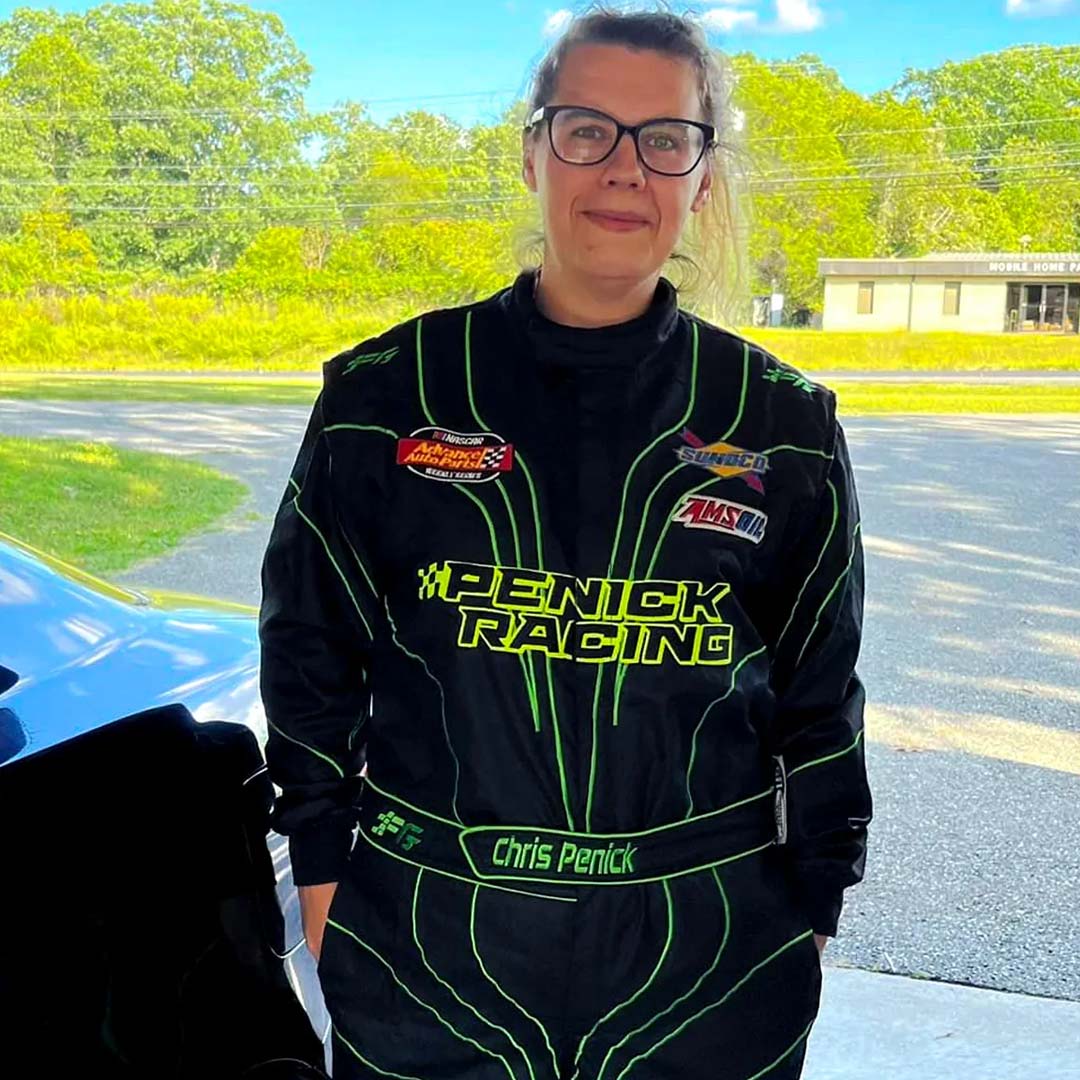
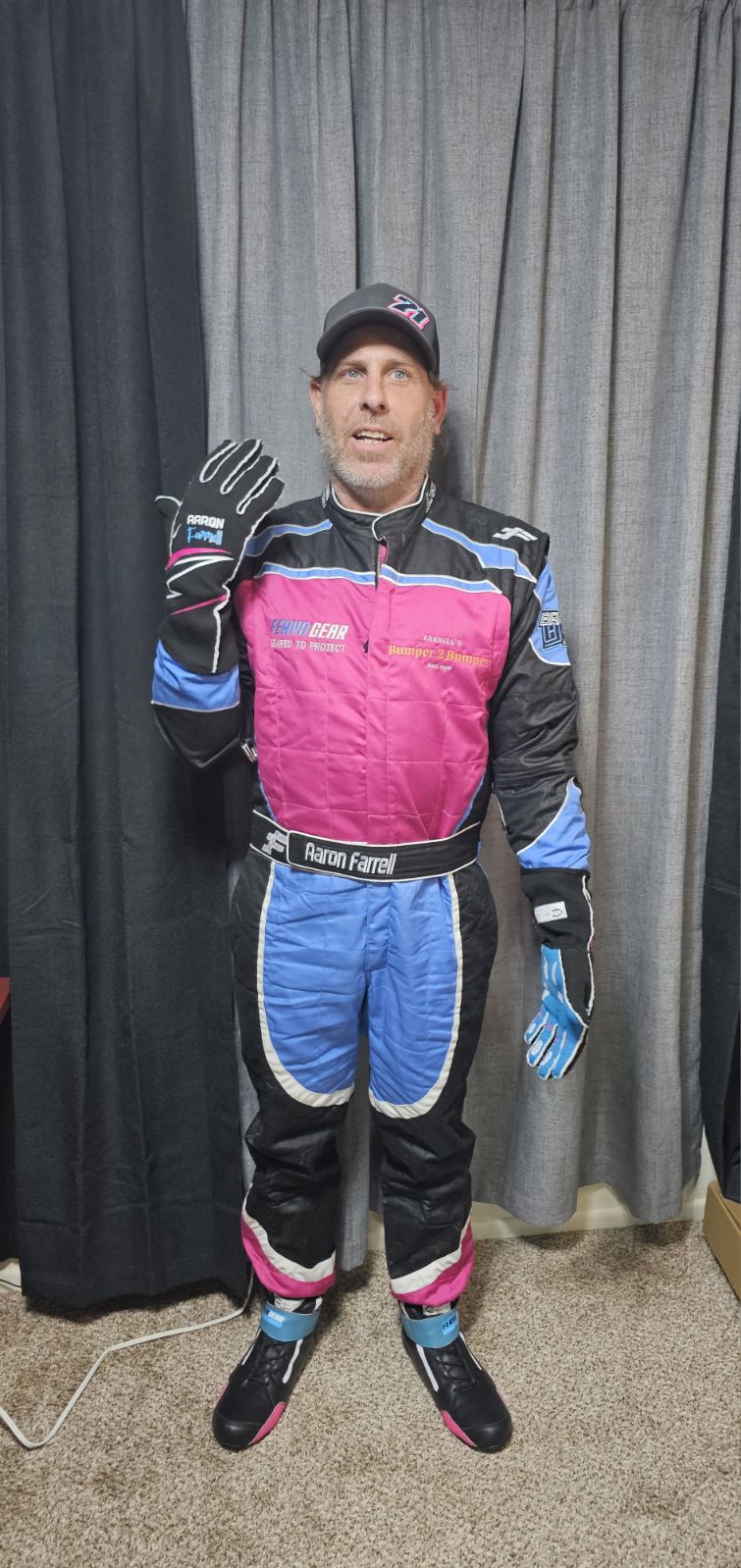
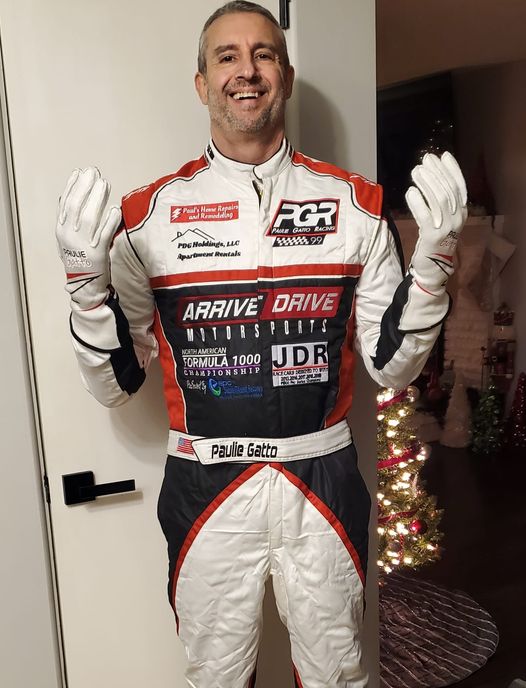
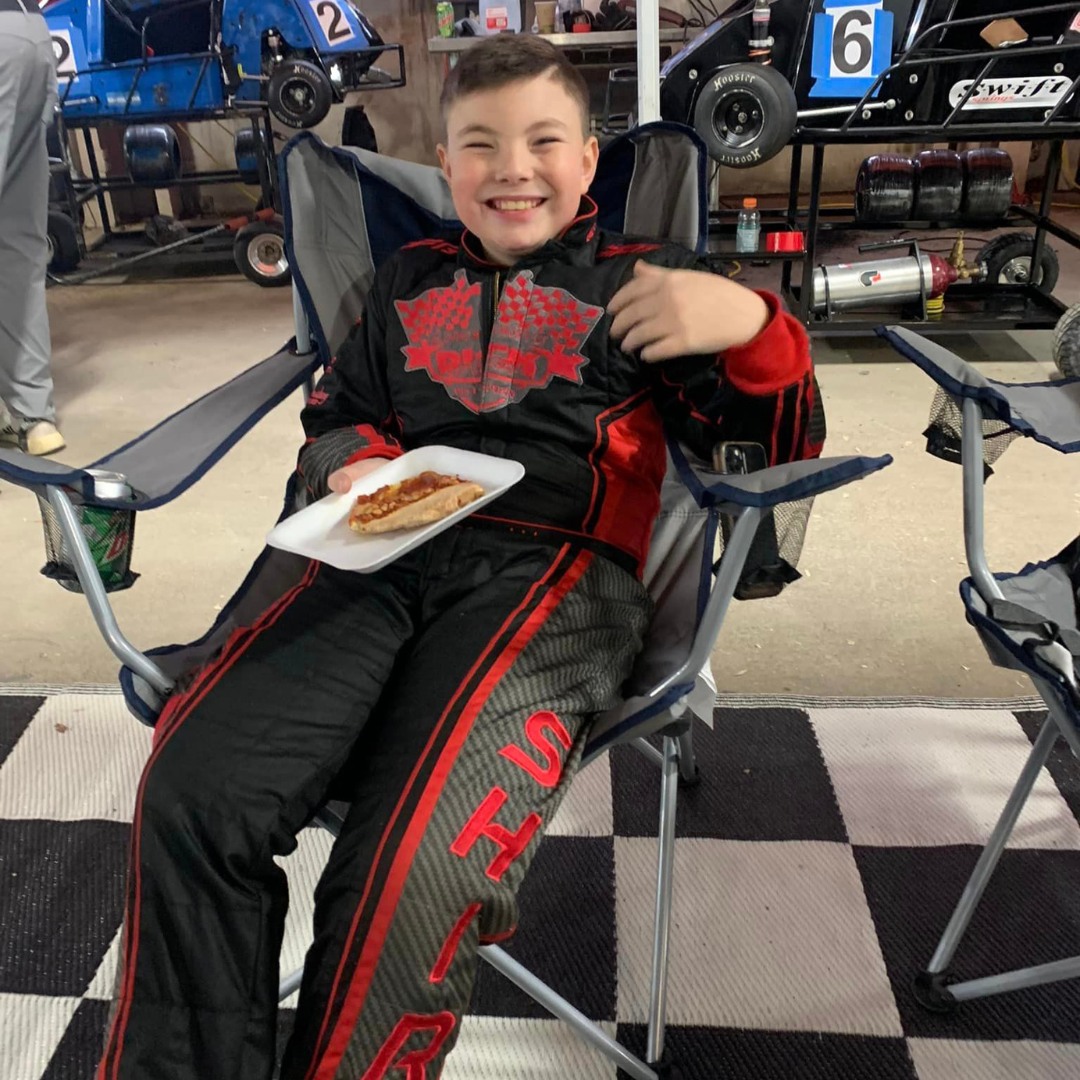
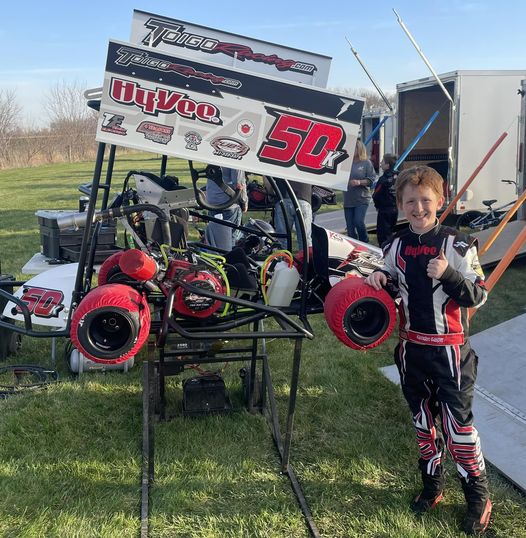
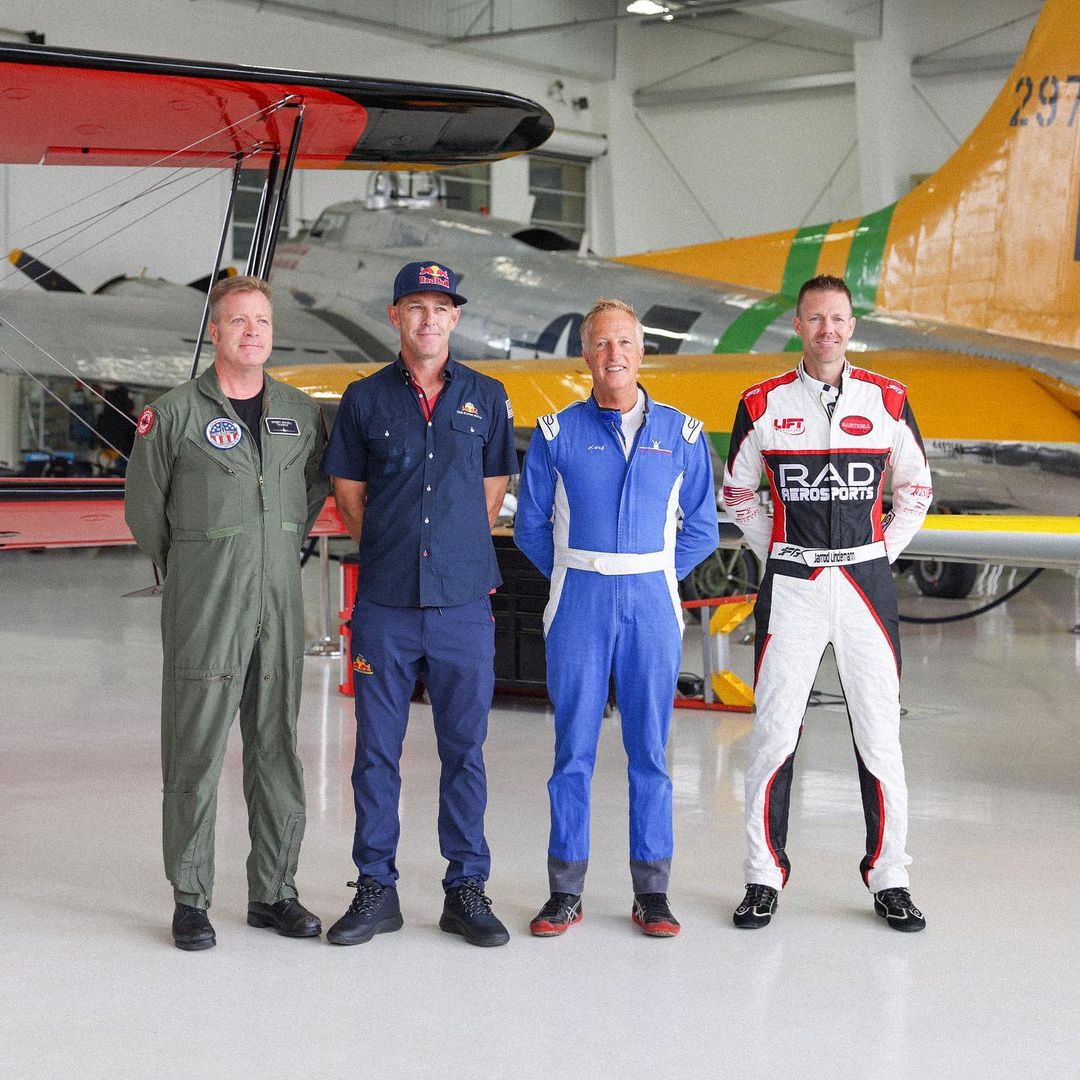
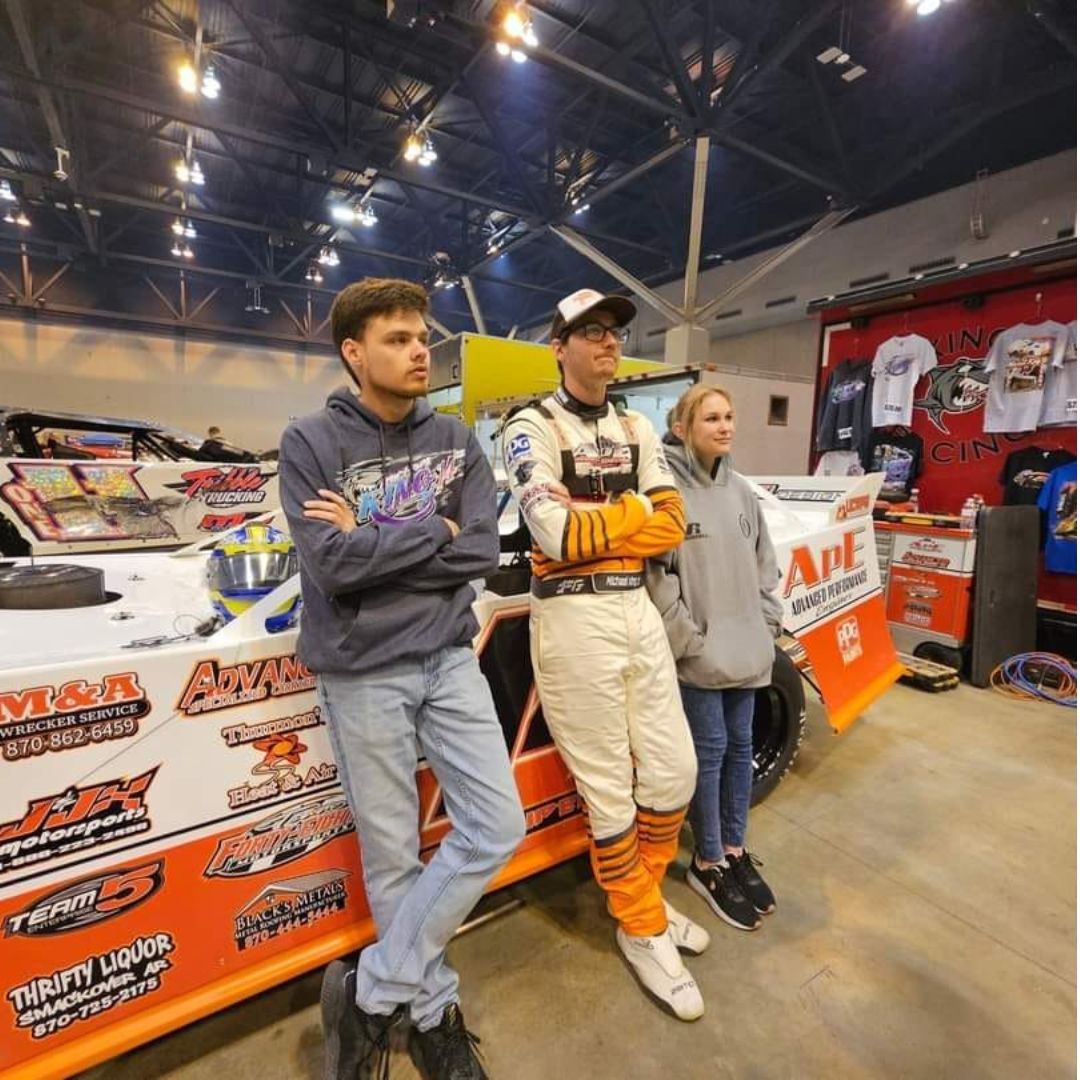
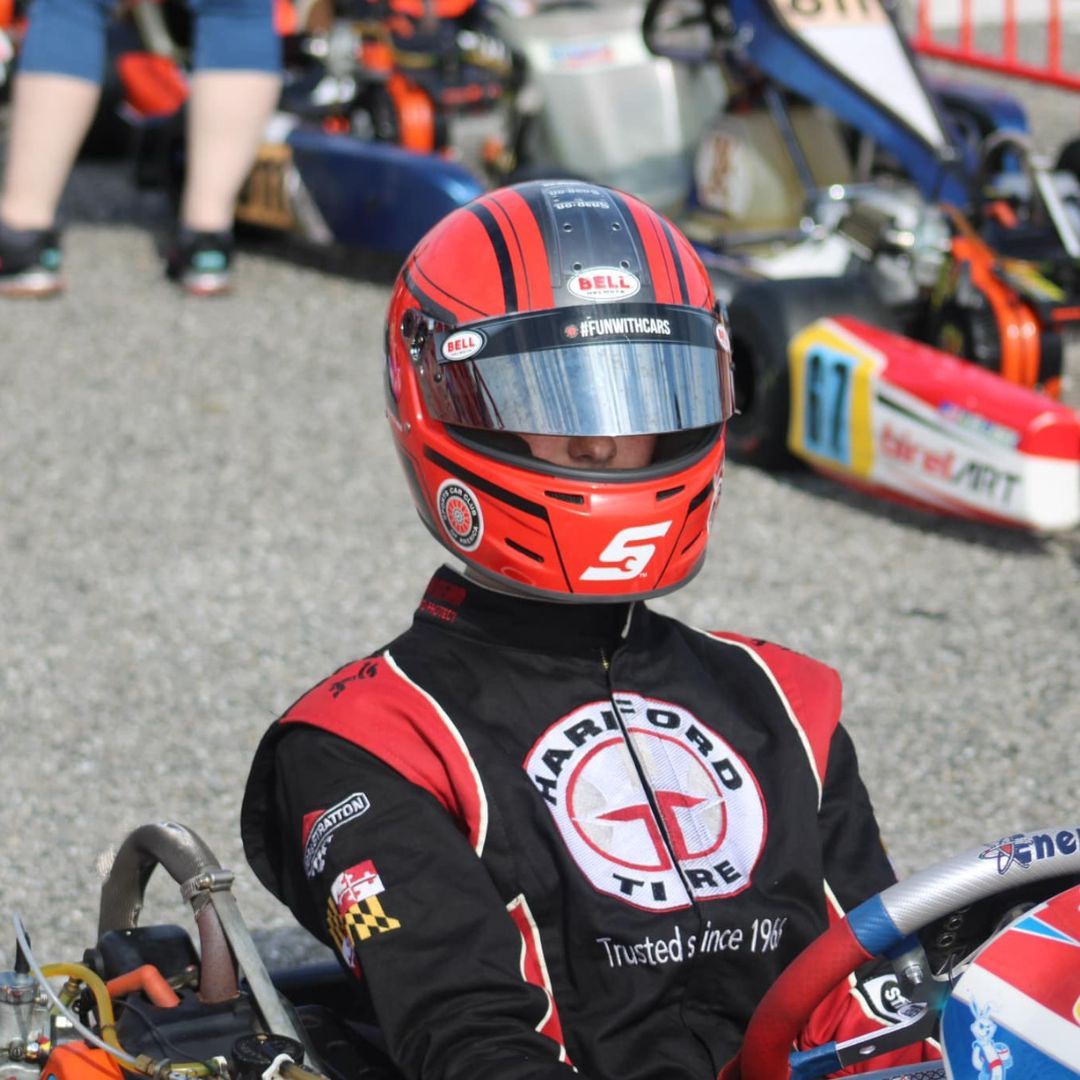
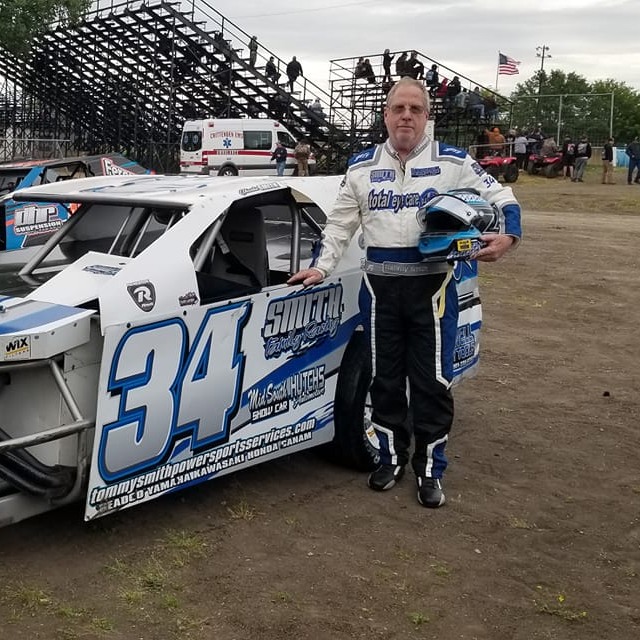
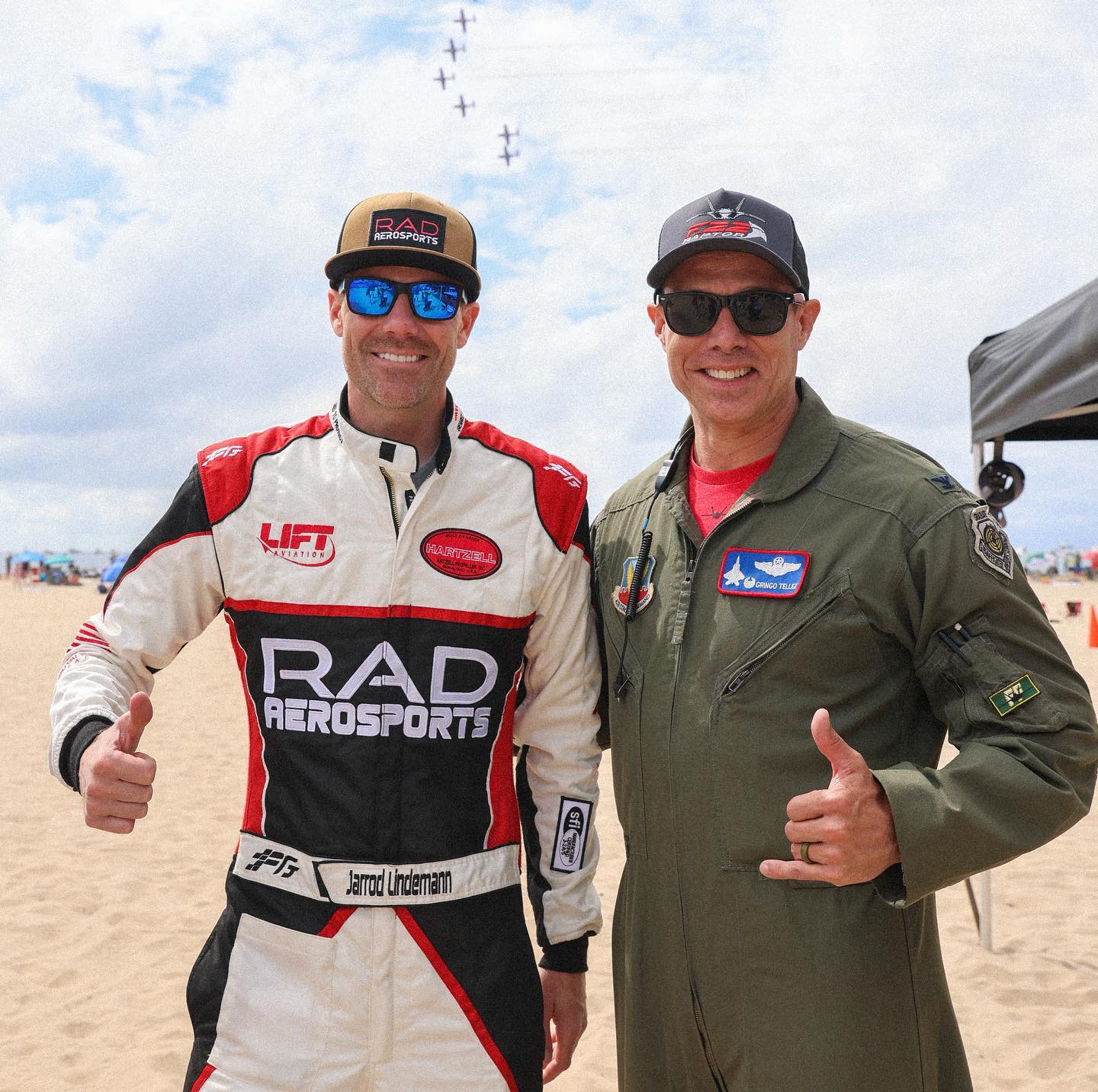
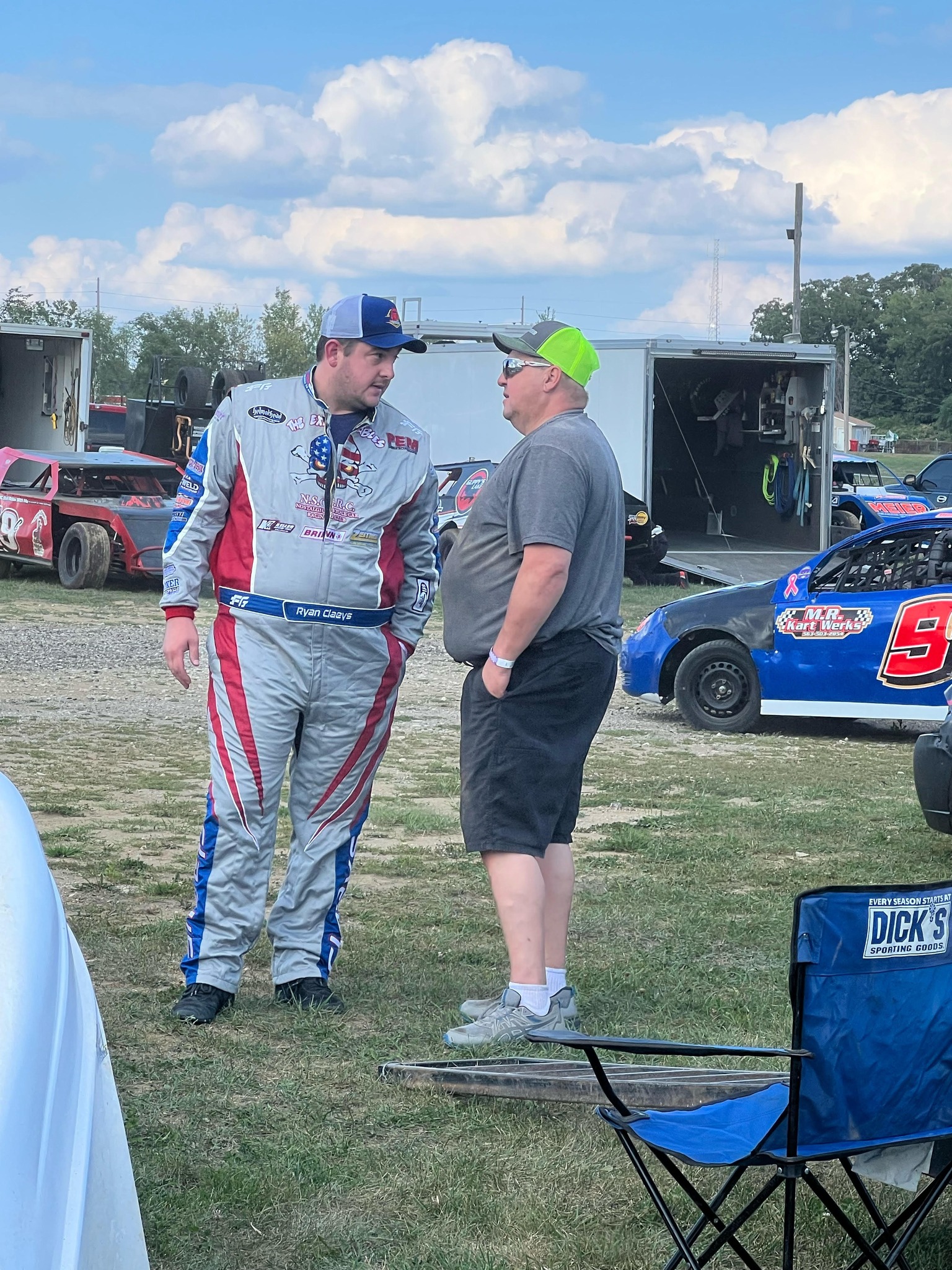
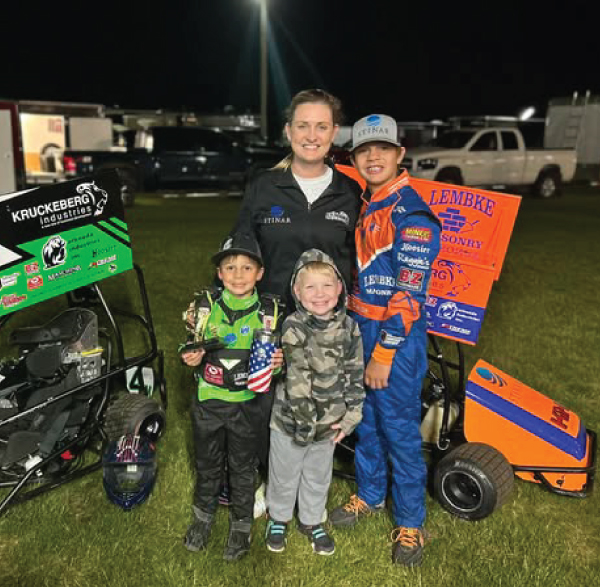
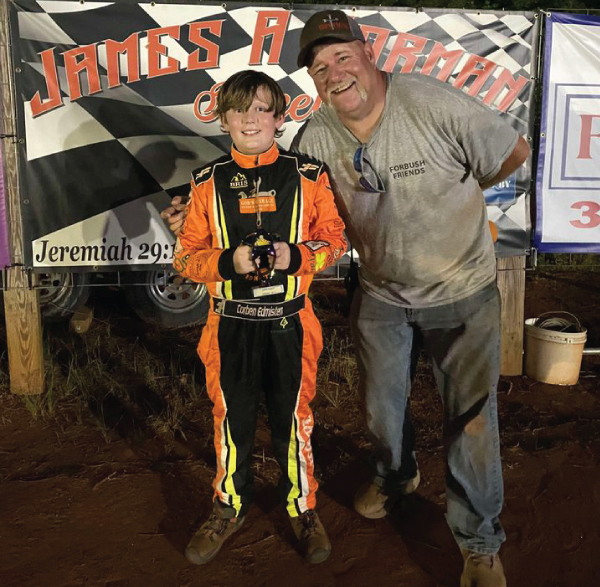
Our Happy Customers

Steps to Your Personalized Racing Suit

Select your proof, suit type, and colors, fill out the order form, upload logos, and get your mockup delivered within 24 hours.
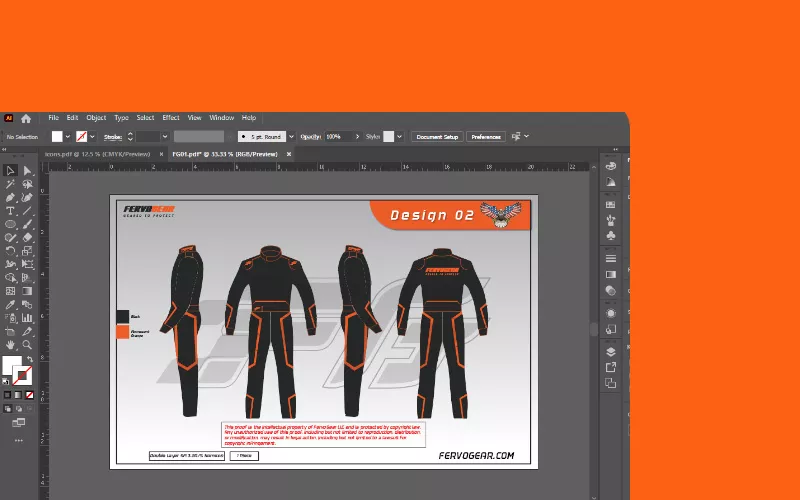
Our designer is committed to fine-tuning the design until it meets your satisfaction. We provide an unlimited number of revisions without any additional charge.
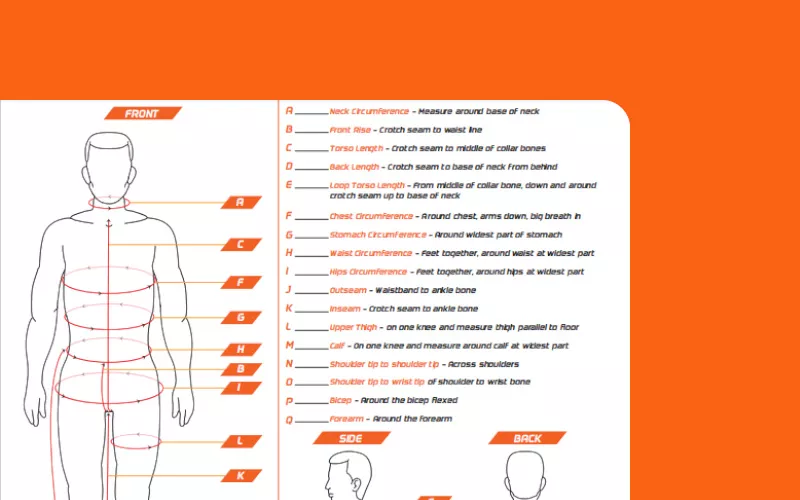
After approving the proof, we’ll provide you a custom sizing form to ensure an ideal fit.
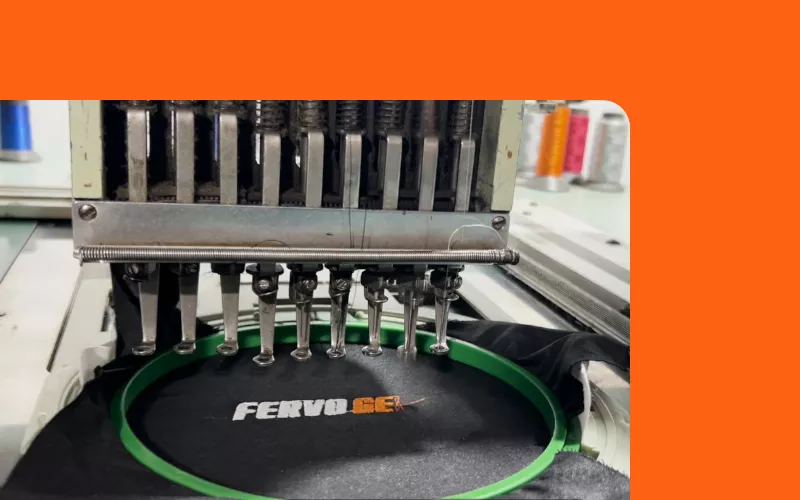
We’ll initiate the production of your suit and share photos of the finished product before shipping.
pping.
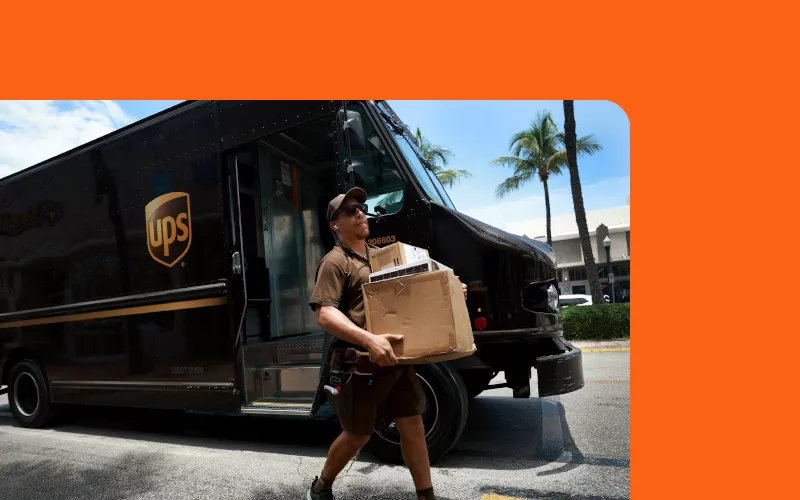
Your custom race suit will be shipped to your doorstep via UPS, ensuring reliable and efficient delivery.
shipped to your doorstep via UPS, ensuring reliable and efficient delivery.

Experience the Best in Fire Suits Technology
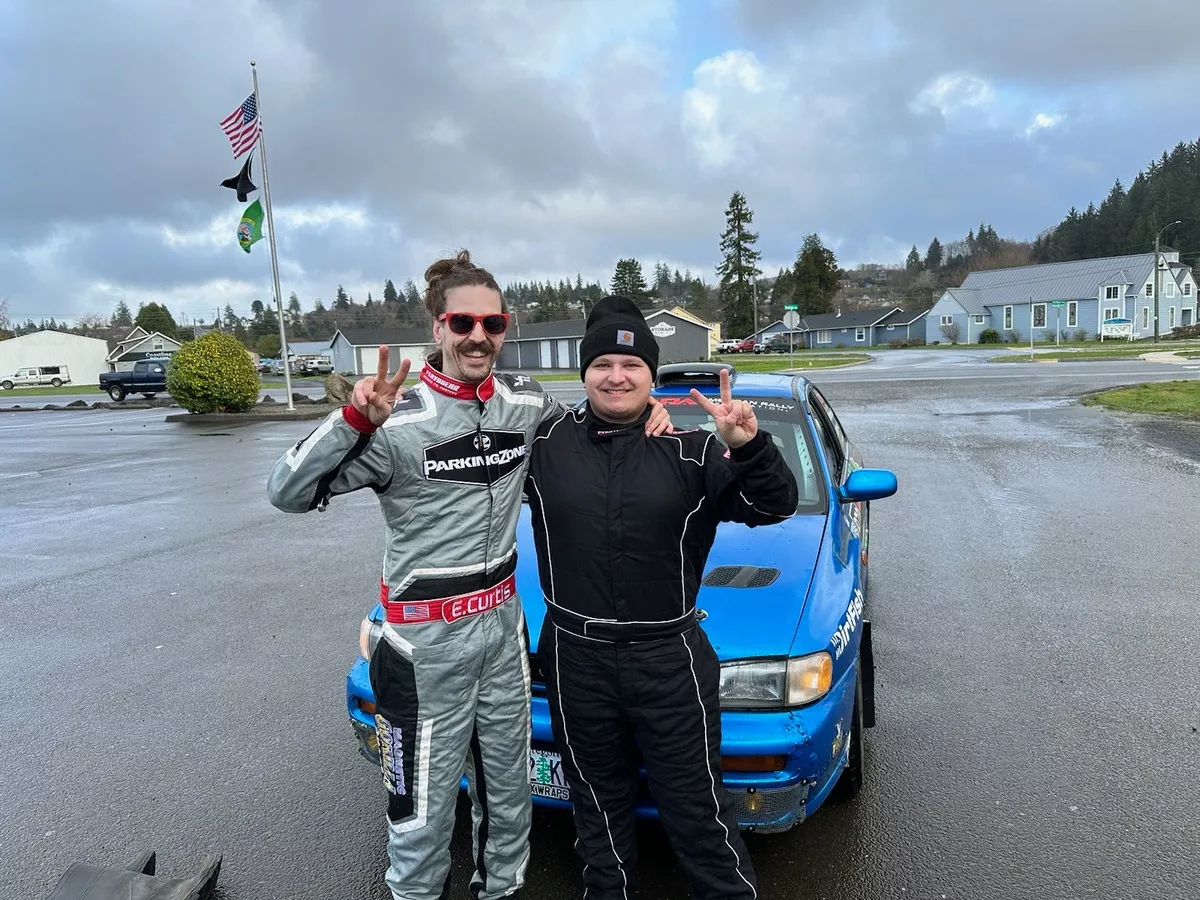
Why Choose FervoGear?

SFI 3.2/A 1 & 5 Certified
FervoGear offers SFI 3.2/A 1 & 5 rated suits with official SFI certifications. As a recognized manufacturer, we ensure top safety and quality.

Price Match Guarantee
Find a lower price in the USA? We’ll match it for your custom racing suit.

Fastest Delivery
Receive your suit in 3-3.5 weeks—the quickest turnaround in the industry.

Unlimited Customizations
Enjoy free unlimited customizations, including logos, colors, mockups and embroidery, for your suit.
[instagram-feed feed=1]
CUSTOM WORKS
Our SFI-certified fire suit is engineered for excellence, providing the protection and comfort you need to focus on the finish line.
CUSTOM MEASUREMENTS
Our measurement video tutorial shows you how to take precise measurements for a custom race suit that’s made to measure your success.