https://shop.fervogear.com/cart

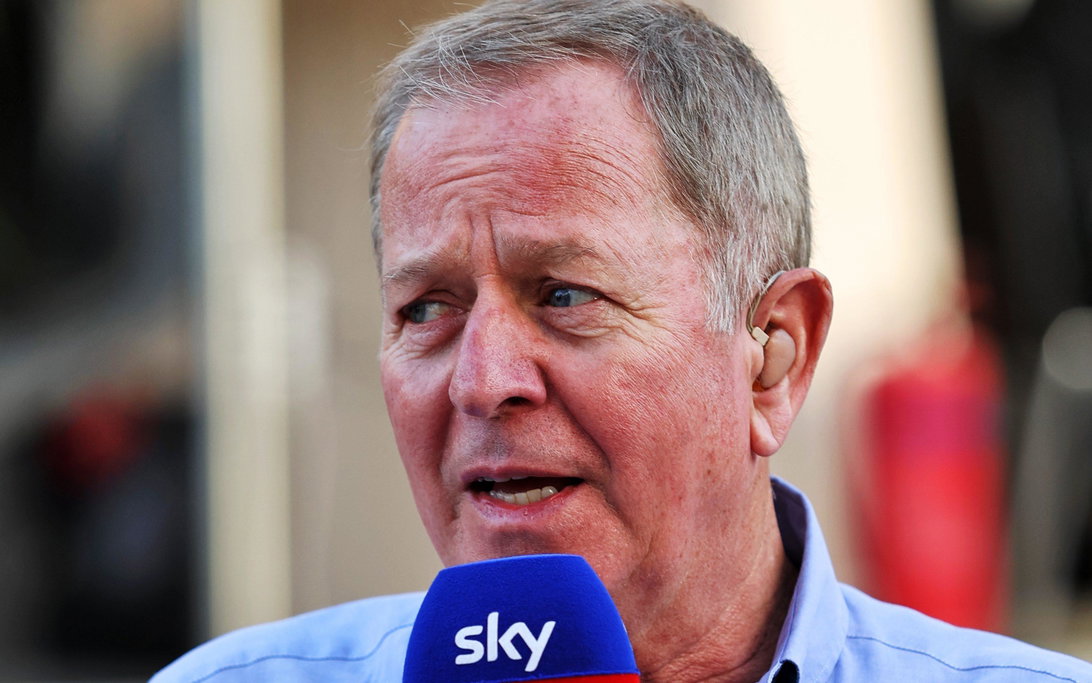
Martin Brundle’s Surprising ‘Toast and Butter’ Take on F1 Rule Changes

Highlights
- FIA reduced energy harvesting from 8MJ to 7MJ this season.
- Super-clipping power limit increased from 250kW to 350kW.
- New slow-start safety boost introduced for safer race starts.
- Changes aim to balance energy use and reduce closing speed risks.
- Martin Brundle explained changes using a toast and butter analogy.
- Teams must adjust strategies for evolving 2026 Formula 1 season.
Martin Brundle framed the FIA’s latest 2026 power-unit tweaks with a toast‑and‑butter analogy, following issues across the opening three grands prix. The objective is simpler energy use and safer racing.
Central to the update, maximum harvested electrical energy per lap drops from 8MJ to 7MJ. The intent is to curb extreme super-clipping and heavy lift-and-coast that skew pace.

In parallel, the super-clipping ceiling rises from 250kW to 350kW. Faster recharge should shorten aggressive harvesting windows and limit straightline distortion when deployment previously ran dry.
Together, these adjustments aim to spread performance around the lap, smoothing power delivery. The goal is fewer abrupt speed deltas that produce risky closing speeds on straights.
FIA cuts energy harvesting cap from 8MJ to 7MJ to curb extreme super-clipping.
Safety is a clear driver. Incidents include Oliver Bearman’s collision with Franco Colapinto in Japan, and the Colapinto–Liam Lawson near‑miss off the line in Australia.
The FIA has also introduced a slow-start safety map. A brief MGU‑K assist stabilises launches, reducing bog-downs and the accordion effect through the pack.
New MGU‑K slow‑start boost targets grid safety after Australia’s near‑miss.
Brundle’s analogy captures the philosophy. The ingredients stay the same, but the “butter” is distributed so the “toast” works consistently, lap to lap, without headline-grabbing spikes.
Brundle: spread the power more evenly without changing the core power‑unit concept.
For teams, the workload is immediate. Deployment profiles, regen thresholds, and braking energy trade‑offs must be retuned to preserve lap time without triggering clipping into key straights.
Drivers should feel a more linear delivery, with steadier closing speeds when following. That could modestly improve raceability while leaving the fundamental power‑unit architecture intact.
Super‑clipping ceiling lifted to 350kW to shorten recharge phases and smooth speed deltas.
Not everyone is convinced. Max Verstappen remains unhappy, suggesting drivability concerns persist despite the early‑season revisions.
The FIA’s willingness to iterate quickly signals pragmatism. Data from varied circuits should refine the balance between spectacle, energy efficiency, and safety as the season develops.
How the package performs at high‑speed venues and power‑sensitive layouts will be decisive. Expect strategic divergence as teams juggle earlier deployment against top‑end preservation.
The next phase is execution. Those who integrate the new windows cleanly should unlock consistency, while limiting exposure to the very spikes these rules are designed to remove.
Visual Summary
FIA’s New Power Unit Rules: Like Spreading Butter on Toast
Old Rule
8 MJ
Harvest Limit
Super-clipping:
250kW max
250kW max
New Rule
7 MJ
Harvest Limit
Super-clipping:
350kW max
350kW max
How the “Butter” (Energy) Now Spreads Over the Lap
Energy now spreads evenly ❯ bigger racing window
⚡ Rise in battery ‘super-clipping’: +100 kW max output
?️ New ‘slow start boost’ for better safety at race starts
?️ Less battery ‘hoarding,’ more action all lap
? Aims to prevent sudden speed surges & collisions
Martin Brundle:
“The FIA are just spreading the butter better on the toast.”
2026: Expect smoother, fairer, safer racing — no more cold butter patches.

Daniel Miller reports on Formula 1 Grand Prix weekends with race-day analysis, team-radio highlights, and point-standings updates. He explains power-unit upgrades, aerodynamic developments, and driver rivalries in straightforward, SEO-friendly language for a global F1 audience.