https://shop.fervogear.com/cart

Breaking: FIA Unveils Major F1 Engine Overhaul After Driver Protests


Highlights
- FIA plans engine power boost by 50kW for 2027 Formula 1 season
- Energy Recovery System deployment power to decrease by about 50kW
- 11 team principals and five manufacturers joined the FIA online meeting
- Miami GP safety updates showed positive results with no major issues
- World Motor Sport Council to vote after suppliers approve engine changes
- New visual signaling for wet races may debut at Canadian Grand Prix
The FIA confirms 2027 F1 power-unit revisions after an online summit with teams and manufacturers, responding to driver concerns about racing quality and safety.
Eleven team principals, Formula One Management, and Mercedes, Ferrari, Red Bull Powertrains, Audi, and Honda join the discussion to review rules and map the next regulatory steps.

Headline change is a nominal 50kW increase from the Internal Combustion Engine for 2027, supported by a corresponding fuel‑flow uplift to restore a stronger ICE contribution.
Energy Recovery System (ERS) deployment power will reduce by roughly 50kW, rebalancing energy recovery and trimming the electric assist that currently shapes straight‑line performance and defensive driving.
The FIA targets a 50kW ICE boost while trimming ERS deployment by a similar amount for 2027.
The FIA positions the package as a power‑delivery rebalance, seeking improved raceability without relaxing overall energy limits or undermining the hybrid philosophy agreed for the next cycle.
This direction follows recent tweaks implemented before the Miami Grand Prix, aimed at curbing excessive harvesting and improving starts. Early data shows cleaner getaways and no significant safety concerns.
Miami updates delivered cleaner starts and no major safety issues, according to the FIA’s early review.
Drivers argue the changes insufficiently address wheel‑to‑wheel dynamics, prompting fresh hardware discussions and the proposed ICE emphasis to create more consistent throttle response and pass‑and‑defend patterns.
Teams and manufacturers now enter detailed calibration talks with the FIA to finalise specifications, including fuel‑flow targets, deployment maps, and integration with existing energy‑management windows.
The World Motor Sport Council will vote electronically once power‑unit suppliers approve the package.
Once suppliers sign off, the World Motor Sport Council will conduct an electronic vote. The timeline preserves consensus building between FOM, teams, manufacturers, and drivers.
Parallel work targets start‑procedure robustness and wet‑race management. A new visual signalling system could debut at the Canadian Grand Prix, improving clarity in compromised visibility.
New wet‑race visual signalling could arrive as early as the Canadian Grand Prix.
A stronger ICE bias may subtly reshape car concepts and cooling priorities, with manufacturers reassessing turbo sizing, combustion strategies, and energy storage deployment to optimise stint‑long pace and overtaking windows.
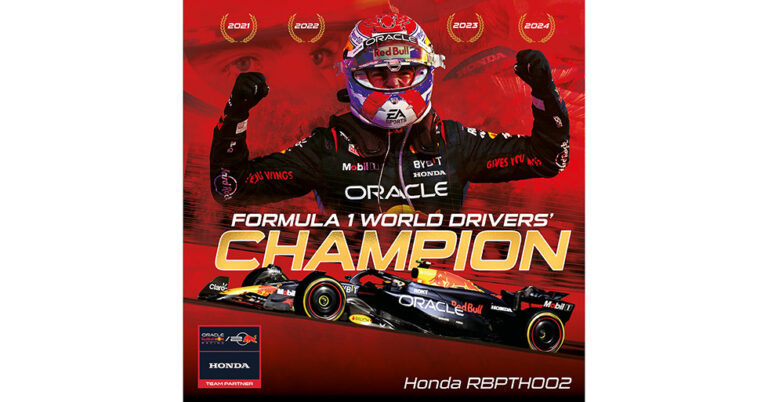
Max Verstappen remains vocal after Miami, reflecting wider driver frustration with current constraints. The FIA signals openness to feedback while keeping the hybrid framework intact.
Expect further drafts in the coming months as simulations mature. The objective remains sharper racing, stable safety outcomes, and a clear regulatory runway into 2027.
Visual Summary
+50kW
Engine (ICE)
Engine (ICE)
VS
-50kW
ERS Power
ERS Power
2027 ENGINE EVOLUTION
🔋
🚀
ERS ‘23ICE ‘27
🏁🛡️
Starts & Wet Safety
Starts & Wet Safety
💡💡
Better Signals
Better Signals
What’s Changing For 2027?
- Engine (ICE) power rises by 50kW
- ERS deployment drops by 50kW
- Increased fuel flow allowed
- Focus on safer starts + clearer wet-race signals
- Next steps: Supplier & WMSC approvals
🤝 Collaboration > Conflict |
Driver feedback shaping F1 for all
Driver feedback shaping F1 for all

Daniel Miller reports on Formula 1 Grand Prix weekends with race-day analysis, team-radio highlights, and point-standings updates. He explains power-unit upgrades, aerodynamic developments, and driver rivalries in straightforward, SEO-friendly language for a global F1 audience.