https://shop.fervogear.com/cart

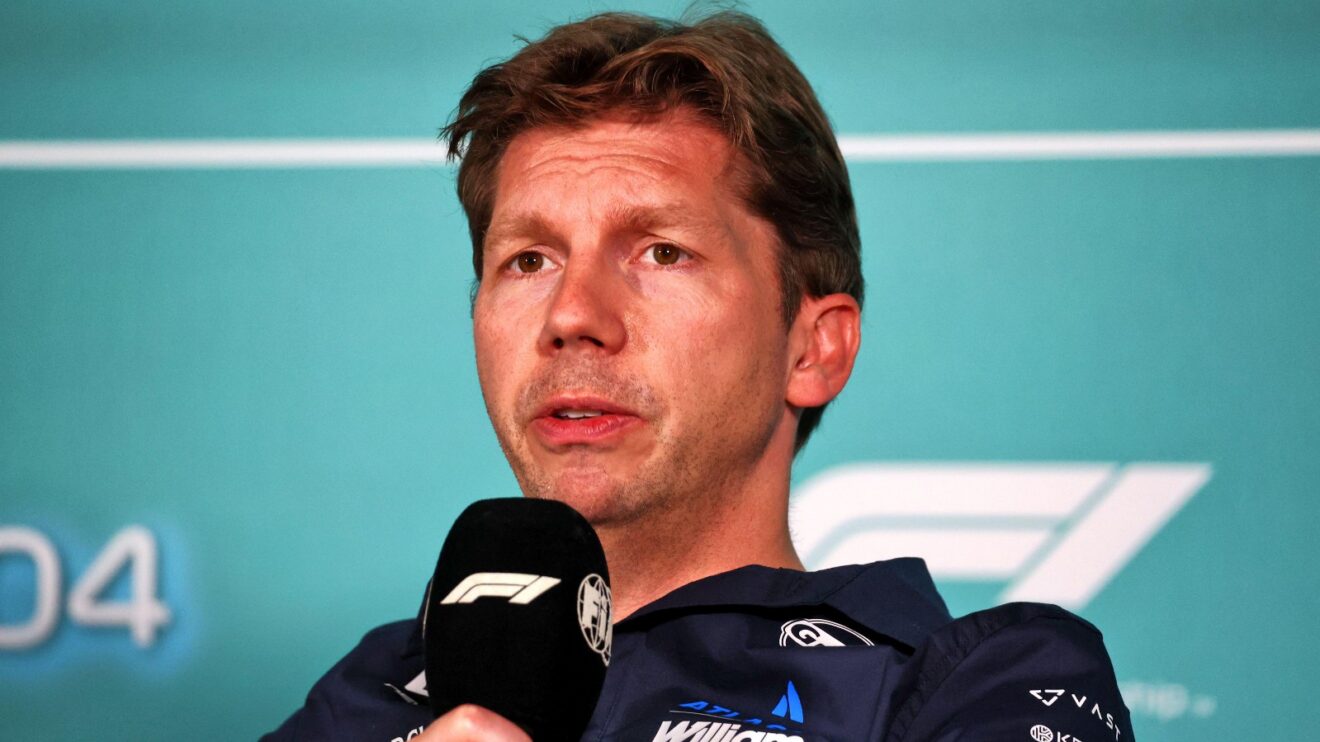
Vowles Reveals Why Williams Struggled Through a Messy Winter

Highlights
- Williams struggled during 2026 winter with new F1 regulations.
- FW48 car is 1.5 to 2 times more complex than past models.
- Crash test delays forced added weight, making FW48 one of heaviest.
- Miami GP marked first double points finish of the 2026 season.
- Team introduced new floor to reduce weight and improve aerodynamics.
- Williams aims to balance weight reduction with aerodynamic improvements.
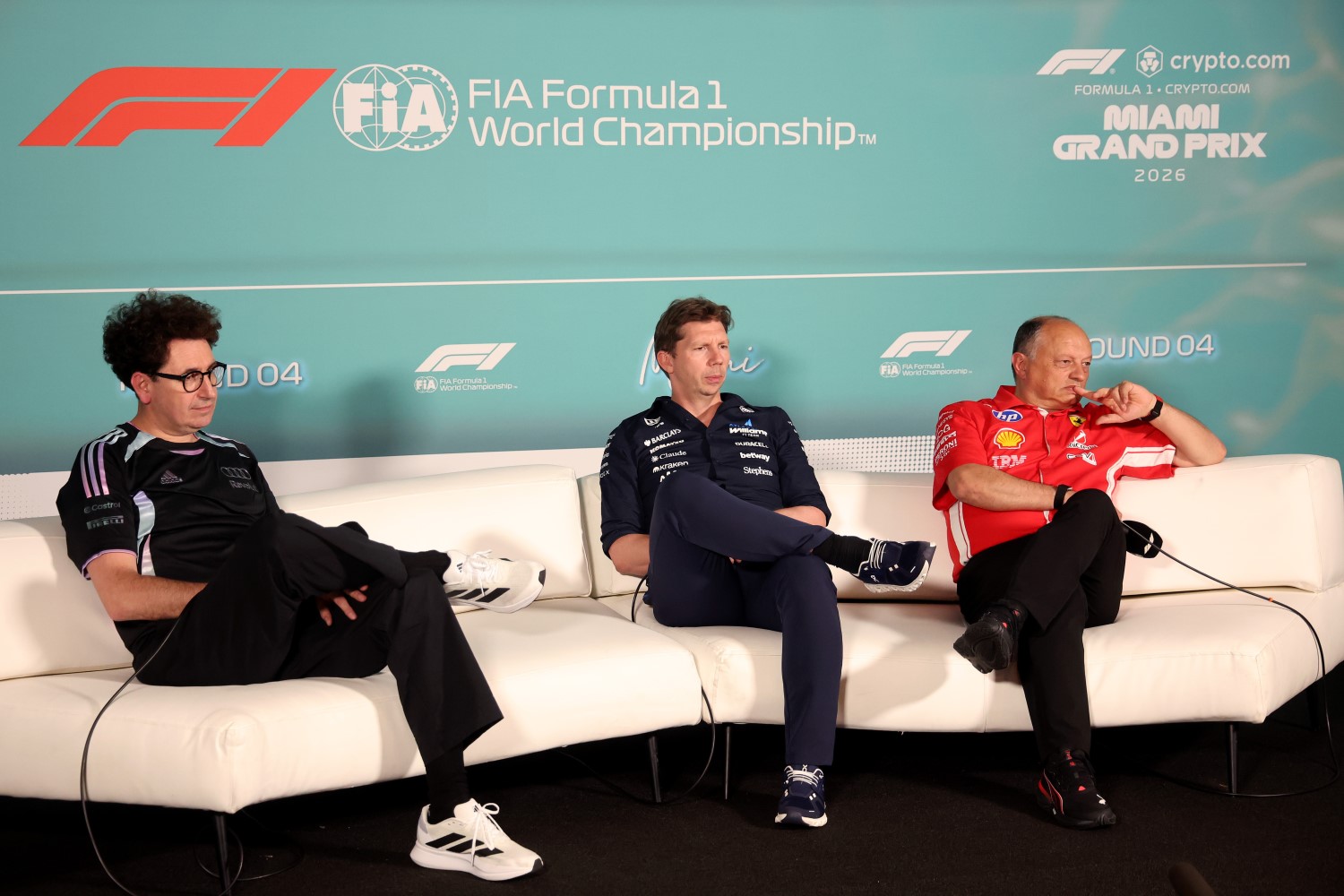
Williams team principal James Vowles outlines a messy 2026 winter, shaped by new regulations and a clean‑sheet FW48. Miami’s double points provide the first tangible step forward.
Before Miami, Carlos Sainz’s best result is ninth, while Alex Albon has no points. The Miami Grand Prix yields ninth for Sainz and tenth for Albon, confirming baseline progress.

Vowles says Williams built its first fully new car while embedding fresh systems and processes. Small inefficiencies compounded, only surfacing once development intensity increased.
Williams pushes wind‑tunnel work early and delays car build to extend aerodynamic testing. The FW48 emerges as the team’s most complex design, 1.5 to two times previous efforts.
Development proves uneven. Some crash tests pass easily, while others trigger costly delays. To meet safety targets quickly, Williams adds weight rather than re‑engineering structural layouts.
“The FW48 is 1.5 to two times more complex than previous Williams designs,” Vowles says, underlining the team’s steep systems integration challenge.
The added mass leaves the FW48 among the heaviest cars on the grid. Those setbacks also force Williams to miss January’s planned shakedown.
Vowles concedes weight is the fastest fix. The focus now turns to removing it carefully within the budget cap. A new floor before Miami cuts several kilograms.
Weight loss cannot come alone. Aero changes must accompany lighter parts to protect performance. The budget cap limits rework freedom, forcing targeted, high‑value upgrades.
Williams’ Miami floor update removes weight and enhances aero efficiency, delivering the team’s first double‑points finish of 2026.
Vowles frames the task as a controlled weight‑and‑aero programme. Components are phased to avoid reliability risks and unnecessary spend, while preserving correlation gains.
The team starts the year behind rivals, but Miami signals a clearer roadmap. Williams targets steady points and better race trim into Canada and Monaco.
“We must balance aero improvement with controlled weight reduction,” Vowles notes, emphasizing meaningful upgrades over opportunistic trimming.
Driver feedback from Sainz and Albon now loops directly into the upgrade plan. With correlation improving, Williams expects incremental steps to yield consistent returns.
The outlook remains cautious. Yet with mass coming out and aero efficiency improving, Williams appears set for a steadier upward trend through the next phase of 2026.
Visual Summary
?
⚙️
?
Double Points!
Sainz 9th • Albon 10th
Sainz 9th • Albon 10th
Shedding Weight,
Gaining Momentum
Gaining Momentum
⚑
From Chaos to Points: The 2026 Williams Journey
From Chaos to Points: The 2026 Williams Journey
The most complex Williams car ever: over 1.5× more complicated, weighed down by fixes, fighting a tough budget cap. Miami brings a glimmer of hope.
+2
Cars in Points
FW48
Heaviest on Grid
↓ Several kg
Lost in Miami Upgrade
Next Obstacles: Canada ?? & Monaco ??
Williams continues the climb—aiming for consistent points as every kilo, and every upgrade, counts.

Daniel Miller reports on Formula 1 Grand Prix weekends with race-day analysis, team-radio highlights, and point-standings updates. He explains power-unit upgrades, aerodynamic developments, and driver rivalries in straightforward, SEO-friendly language for a global F1 audience.