https://shop.fervogear.com/cart

The Biggest Challenge Facing Major F1 2027 Rule Changes


Highlights
- FIA gains unanimous team approval for 2027 power unit changes.
- Power split shifts from 50/50 to 60/40 ICE to electric.
- Fuel flow increases ICE output by 50kW; electric drops 50kW.
- Larger fuel tanks needed but may conflict with 2026 chassis reuse.
- Possible solutions: cost cap exemptions, shorter races, or qualifying boosts.
- ADUO rules reconsidered due to engine upgrade and fairness issues.
The FIA secures unanimous agreement in principle to alter Formula 1’s 2027 power unit hardware. The objective is clear: relieve energy-limit constraints and recover performance headroom.
The core change shifts the split from 50/50 to 60/40 in favour of the internal combustion engine. Fuel flow rises to lift ICE output by 50kW, while electrical deployment drops by 50kW.

Technical groups also study higher energy harvesting beyond 350kW and a battery increase from 4MJ to 5MJ. The target is smoother speed profiles and less contrived driving techniques.
Turning concept into reality is complicated. Packaging and cost control collide, with chassis design and fuel tank size at the centre of the dispute.
Higher fuel flow raises consumption, demanding larger tanks. Many teams, constrained by the cost cap, intend to carry over 2026 chassis into 2027.
Those carryover designs struggle to accommodate bigger tanks, creating a tension between technical necessity and budget discipline.
Larger tanks clash with 2026 chassis carryover plans, making packaging the first major obstacle to 2027 changes.
Three pathways emerge. The FIA could grant a cost cap exemption for new chassis. Race distances could shorten. Or increased fuel flow could apply to qualifying only.
A qualifying-only boost would elevate one-lap performance while maintaining current race fuel requirements. It could also serve as a limited trial before wider adoption in 2028.
The plan pivots on a 60/40 ICE–electric split, with +50kW ICE and −50kW electric deployment reshaping performance delivery.
The engine side brings its own complexity. An extra 50kW for the ICE demands durability validation and potential component redesigns.
Current power units are optimised for 2026 constraints. Uplifting fuel flow and output risks exposing reliability margins without additional development scope.
That scope intersects with ADUO, which governs design and upgrade opportunities. A midstream shift risks uneven advantages for manufacturers with 2026 ADUO activities.
A 2027 reset of ADUO allowances is under consideration to prevent uneven development head starts.
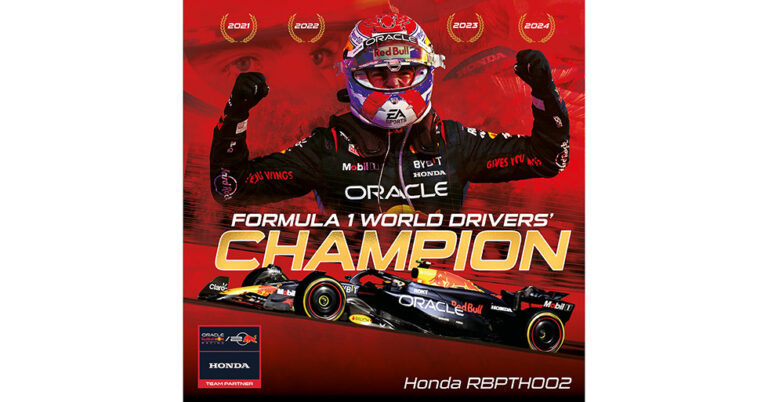
Honda sits under the microscope. It currently trails by more than 10% against leading benchmarks and could benefit most from expanded freedoms and a formal ADUO reset.
While the concept earns unanimous support, the details remain open. Packaging costs, competitive balance, and calendar timing drive the next phase of talks.
Stakeholders now assess feasibility and cost impacts. The goal is a 2027 rollout that preserves fairness while restoring traditional driving demands and race clarity.
If consensus holds and compromises land, F1 gains a more usable power envelope. The prize is improved race pace, stronger qualifying, and a more intuitive driving challenge.
“`html
Visual Summary
ICE ↑
60 / 40
NEW POWER SPLIT
(ICE / Electric)
(ICE / Electric)
Old: 50/50
E-POWER ↓
2026 Tank
Needed for 2027
Fuel tank dilemma!
New engines need more fuel — but budgets and 2026 cars limit chassis size.
New engines need more fuel — but budgets and 2026 cars limit chassis size.
?
Exempt Budget Cap
Special allowance for
new chassis, bigger tanks
new chassis, bigger tanks
?
Shorter Race
Reduce laps to fit
fuel limits
fuel limits
⚡️
Quali Power Only
More ICE power just in qualifying
Engine rules reset?
Manufacturers debate new freedoms & fairness
Manufacturers debate new freedoms & fairness
Honda needs catch-up; ADUO revision may restart the race to parity.
Will all changes cross the finish line in time?
F1’s 2027 Power Reset—
Bigger Engines, Bigger Drama.
Bigger Engines, Bigger Drama.
“`

Daniel Miller reports on Formula 1 Grand Prix weekends with race-day analysis, team-radio highlights, and point-standings updates. He explains power-unit upgrades, aerodynamic developments, and driver rivalries in straightforward, SEO-friendly language for a global F1 audience.