https://shop.fervogear.com/cart

Charles Leclerc Shocks Fans with Bold ‘Outsider’ Take on F1 Rules

Highlights
- Charles Leclerc feels like an “outsider” over engine rule views
- Engine rules changed before Miami GP to limit super-clipping
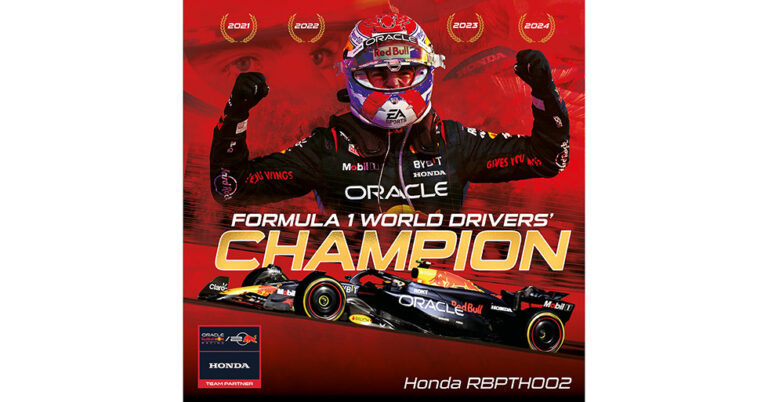
- Max Verstappen criticized rules as “anti-racing” and “Mario Kart”
- 2026 regulations increase ICE power, shifting balance from electric energy
- Leclerc says overtaking remains strong with similar power systems
- Qualifying still holds highest importance under current rule framework
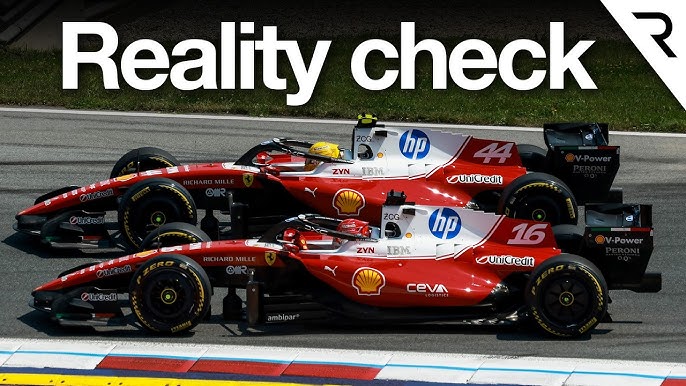
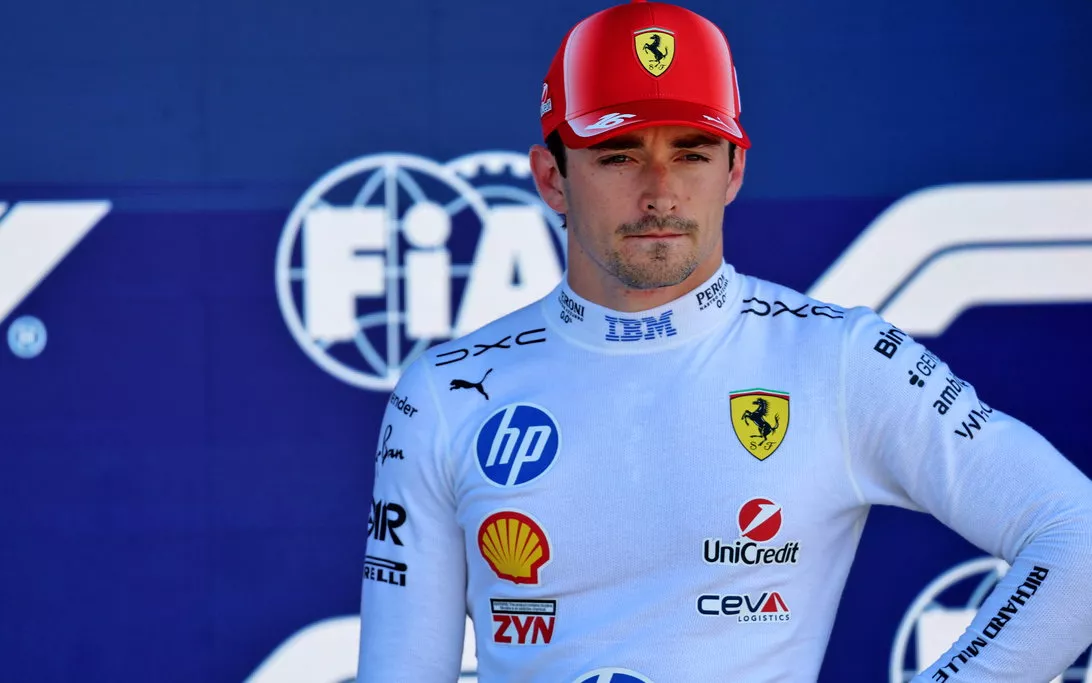
Charles Leclerc says he feels like an “outsider” on the grid over current power‑unit rules, setting himself apart amid debate intensified by the Miami Grand Prix changes.
Ahead of Miami, F1 limited super‑clipping to 350 kW and cut maximum electrical deployment from 8MJ to 7MJ, targeting extreme lift‑and‑coast and energy peaking behaviours.

Max Verstappen labelled the framework “anti‑racing” and “Mario Kart.” Leclerc’s stance diverges, focusing on how the rules shape racecraft rather than merely restricting it.
From 2026, the split between combustion and electric shifts. The ICE takes a larger share, moving away from the current broadly 50‑50 balance in total power delivery.
Leclerc argues overtaking remains viable when power systems are aligned across cars. He believes comparable deployment windows reduce artificial disparities on straights and into braking zones.
Leclerc: “I feel like an outsider” in the engine rules debate.
He also stresses qualifying’s primacy. Track position still dictates races under this framework, which he views as a healthy emphasis on execution and single‑lap precision.
The tweaked limits reduce energy spikes and discourage aggressive clipping strategies. That reshapes stint management, with drivers balancing regeneration, throttle application, and tyre life more transparently.

From 2026, the ICE takes a larger share of total power.
As the ICE’s role grows, development focus may pivot to combustion efficiency, deployment mapping, and cooling. Teams face trade‑offs between outright performance and energy availability in traffic.
Miami offered flashes of strong racing despite criticism. It is a limited sample, but it suggests strategy and timing increasingly decide battles rather than binary energy advantages.
Super‑clipping capped at 350 kW; maximum energy deployment reduced to 7MJ.
The debate captures F1’s tension between sporting purity and regulatory constraint. Analysts expect further refinements as 2026 nears, aiming to reward racecraft without stifling competition.
Visual Summary
16
“I feel like an outsider”
⚡ 2024 PU Limits
Super-clipping limit
350 kW
Power unit deployment energy reduced
7 MJ (from 8 MJ)
7 MJ (from 8 MJ)
Diverging Views
??
VS
??
“Anti-racing” vs “Strategic racing”
Drivers split over whether new rules
improve or hurt the racing spectacle.
improve or hurt the racing spectacle.
2026 Shift
ICE power’s role grows
Electric ↔ Engine now shifts to 60/40 split
Leclerc stands apart—seeing new rules not as “anti-racing” but as a new tactical era. The real battle? Grid unity vs divided evolution.

Daniel Miller reports on Formula 1 Grand Prix weekends with race-day analysis, team-radio highlights, and point-standings updates. He explains power-unit upgrades, aerodynamic developments, and driver rivalries in straightforward, SEO-friendly language for a global F1 audience.