https://shop.fervogear.com/cart

The Untold Truth Behind Red Bull’s Wing That Outperformed Ferrari’s

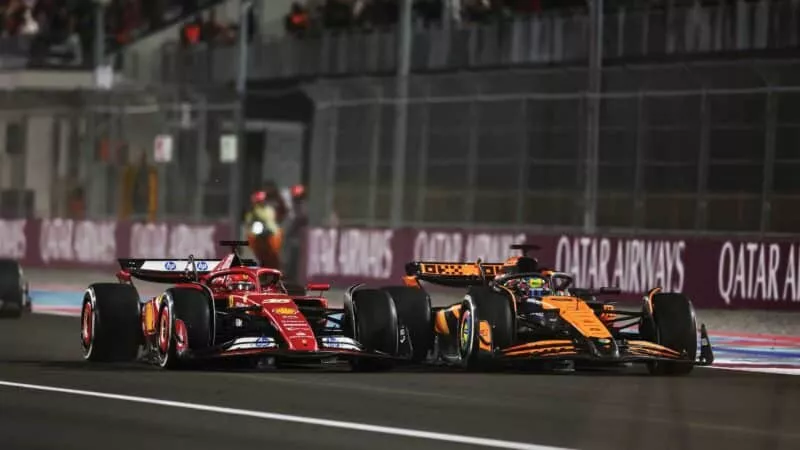
Highlights
- Ferrari revealed rotating rear wing during February pre-season testing.
- Red Bull debuted a different rotating wing design at Miami GP.
- Both teams independently developed wings under 2026 movable rear wing rules.
- Red Bull’s wing provides visible larger gap, aiding straight-line speed.
- Miami upgrades helped Verstappen regain competitiveness and podium contention.
- Hamilton highlighted straight-line speed deficits ahead of Canadian Grand Prix.
Red Bull’s rotating rear wing debuted in Miami, quickly eclipsing Ferrari’s earlier reveal. Both teams chase 2026 movable-wing gains with separate solutions that carry immediate competitive consequences.
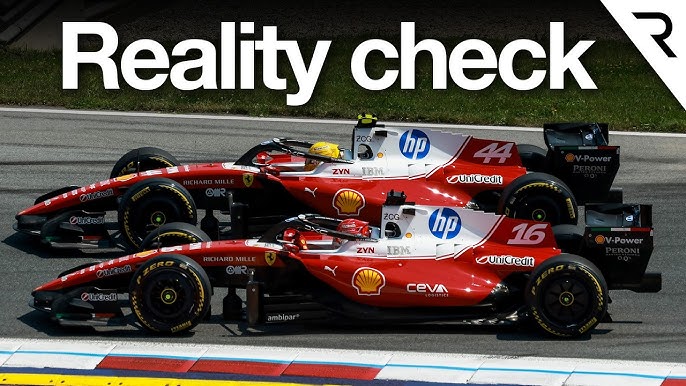
Ferrari first showed its concept in February testing. The upper element rotates to create a larger gap and reduce drag, a creative step beyond traditional flap-opening approaches.

Initial testing and a brief China run showed promise but exposed reattachment delays. A 0.4s switch is mandated; slow recovery unsettled Lewis Hamilton in practice, so Ferrari paused race use.
Perception of copying misses the timeline. Red Bull had developed its own architecture for months and chose Miami for race debut, with hints visible during a Silverstone filming day.
Both teams arrived in Miami with independently developed rotating wings.
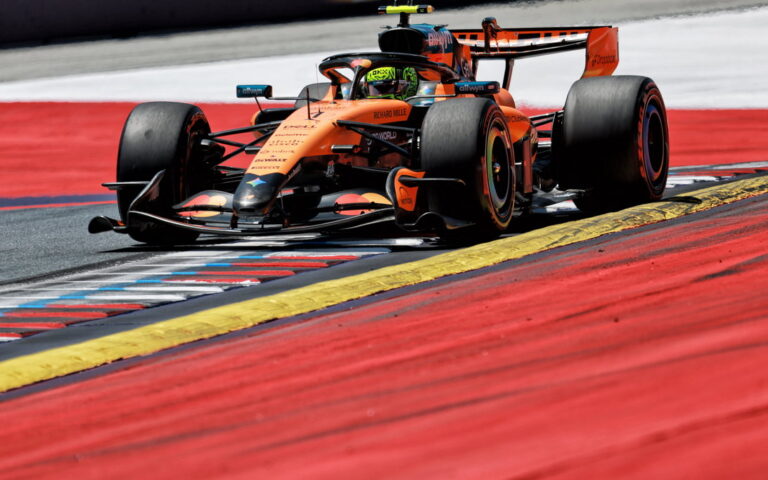
The designs differ. Ferrari’s upper flap flips front-to-back with corner-mounted actuators. Red Bull’s element rolls up and over from the rear, driven by a central actuator, yielding a visibly larger open gap.
That central layout lets the trailing edge rest on top when inverted, simplifying motion. Red Bull insists the concept existed long before testing and was not a response to Ferrari’s reveal.
Rule changes for 2026 open new avenues for movable rear wings. The regulations define closed and open states but leave the transition path free, replacing the previous simple gap-opening requirement.
They also demand rapid switching and specify an 8–12mm separation between profiles. Red Bull began exploring the concept last November after FIA clarifications, but reliability delayed its roll-out.
Miami’s long straights maximized the value of a cleaner low-drag state.
Debuting the wing alongside a broad upgrade package in Miami was a calculated risk. The track’s extended straights offered a strong proving ground for drag-reduction payback.
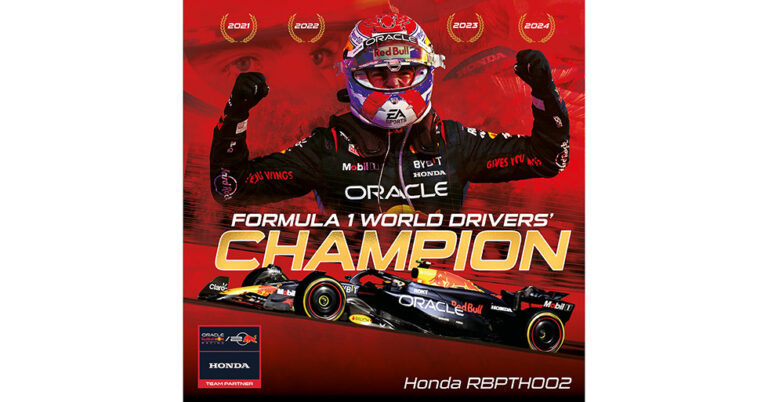
The package worked. Max Verstappen immediately looked competitive again, contesting pole and returning to consistent podium contention.
Early signs suggest Red Bull’s approach yields stronger drag reduction than Ferrari’s. Ferrari’s corner-mounted actuators could aid stability in loaded corners, but Red Bull enjoys a clearer straight-line edge.
Red Bull’s wing presents a larger visual gap when active, correlating with improved top speed.
Lewis Hamilton expects straight-line losses of three to four tenths on long straights heading to Canada, underlining the urgency for further drag reduction at his team.
With both Ferrari and Red Bull committed to rotating solutions, forthcoming races will test durability, controllability, and net lap-time trade-offs. The duel will help define F1’s next aerodynamic era.
Visual Summary
Ferrari
Front-to-back,
dramatic rotation
dramatic rotation
VS
Red Bull
Rear rotation,
up and over
up and over
Rotates in
0.4 seconds
0.4 seconds
Ferrari
Cornering
Edge?
Edge?
Actuator on corners
Possible aero gain
Possible aero gain
↔
Red Bull
Top Speed
Win?
Win?
Central actuator
Drag reduction edge
Drag reduction edge
➤
Two teams.
Two radical ideas.
One Grand Prix.
Miami saw both wings debut side by side — a technical duel for F1’s future.
With 2026 rules letting creativity soar,
Which innovation will rule Formula 1’s next era?
Which innovation will rule Formula 1’s next era?

Daniel Miller reports on Formula 1 Grand Prix weekends with race-day analysis, team-radio highlights, and point-standings updates. He explains power-unit upgrades, aerodynamic developments, and driver rivalries in straightforward, SEO-friendly language for a global F1 audience.