https://shop.fervogear.com/cart

Liam Lawson Reveals Luck Behind Grand Prix Cancellation After Passport Crisis


Highlights
- Liam Lawson’s passport ran out of pages mid-season.
- He renewed passport after the Japanese Grand Prix.
- Cancelled Bahrain and Saudi Grands Prix eased his timing.
- Lawson admitted he should have renewed passport earlier.
- New passport valid for next five years secured.
- Race cancellations provided unexpected benefits for Lawson’s logistics.
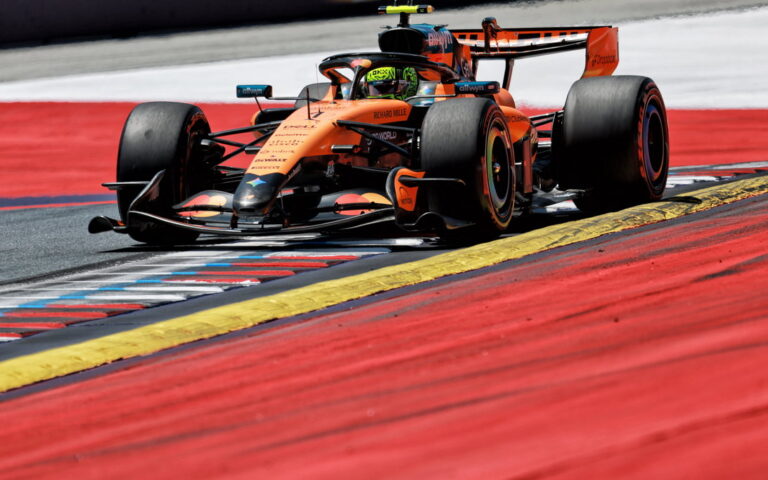
Liam Lawson confronts a passport complication during a congested early-season schedule, creating potential disruption around the Bahrain and Saudi Arabian rounds.
The campaign opens with testing in Barcelona and Bahrain, followed by races in Australia, China, and Japan. After Suzuka, Lawson discovers his passport has no remaining pages.

Lawson’s passport ran out of pages during the early-season travel surge.
He returns to New Zealand to complete renewal, a necessity given the lack of blank pages. The mid-April cancellations of Bahrain and Saudi create a crucial administrative window.
Without that gap, visa processing and tightly sequenced itineraries could have compressed dangerously, raising the risk of travel delays during a critical phase.
Lawson acknowledges the oversight, saying, “I probably should have done it before the season.”
“I probably should have done it before the season.” — Liam Lawson
He now carries a passport valid for five years, removing a key logistical variable for the remainder of the calendar.
The case highlights a familiar F1 reality: relentless travel accelerates visa churn. Team travel staff manage frameworks, but drivers must maintain documents and timings.
The Bahrain and Saudi cancellations unexpectedly eased Lawson’s logistics.
Looking ahead, Lawson targets tighter planning to ensure off-track administration never compromises performance workloads during clustered events.
Visual Summary
LIAM LAWSON
🔴
✈️
🚩
🔵
✈️
🚩
🔴
🔵
✈️
🔴
🚩
🔵
✈️
NO BLANK PAGES
⏰ Race cancellations = Extra time to renew 🎉
🚗
Liam Lawson almost got stranded by a full passport.
Canceled races became a lucky break, giving him the breather he needed.
In F1, paperwork can be as intense as racing.
📝 NEW PASSPORT: 5 YEARS

Daniel Miller reports on Formula 1 Grand Prix weekends with race-day analysis, team-radio highlights, and point-standings updates. He explains power-unit upgrades, aerodynamic developments, and driver rivalries in straightforward, SEO-friendly language for a global F1 audience.