https://shop.fervogear.com/cart

Disaster Unfolds After Isack Hadjar Calls Red Bull ‘Pretty Easy’

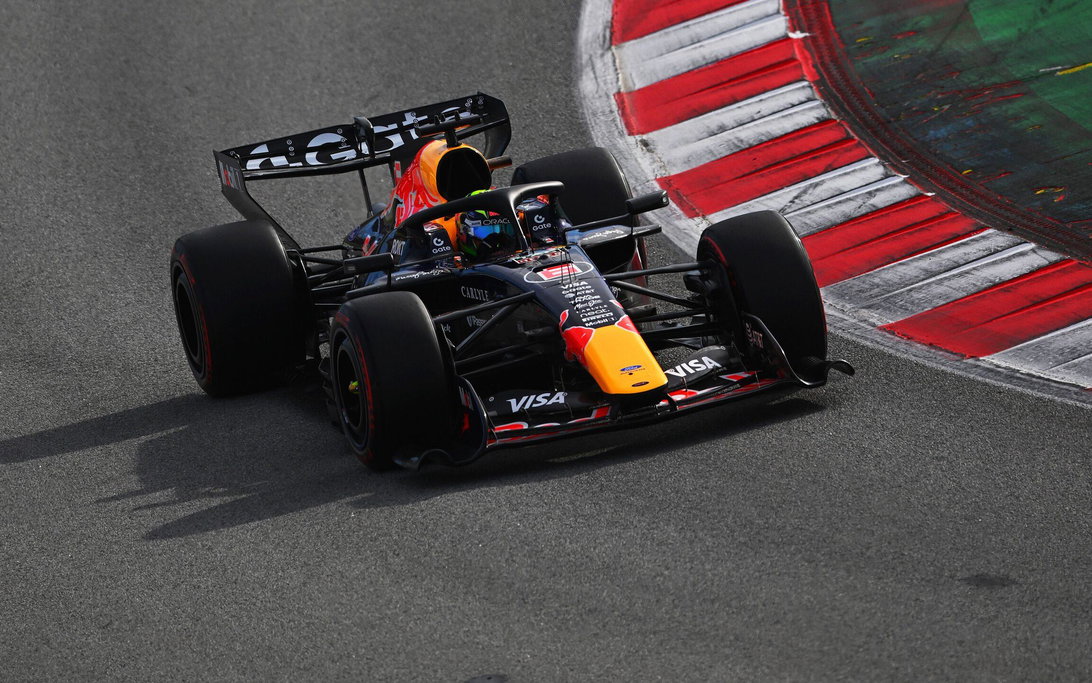
Highlights
- Hadjar described his Red Bull move as “pretty easy” before Miami GP
- He out-qualified teammate Verstappen twice in first three rounds
- Hadjar crashed out in Miami, marking a difficult race weekend
- Verstappen adapted well to RB22 upgrades, showing improved pace
- Hadjar aims to learn and improve after Miami setback
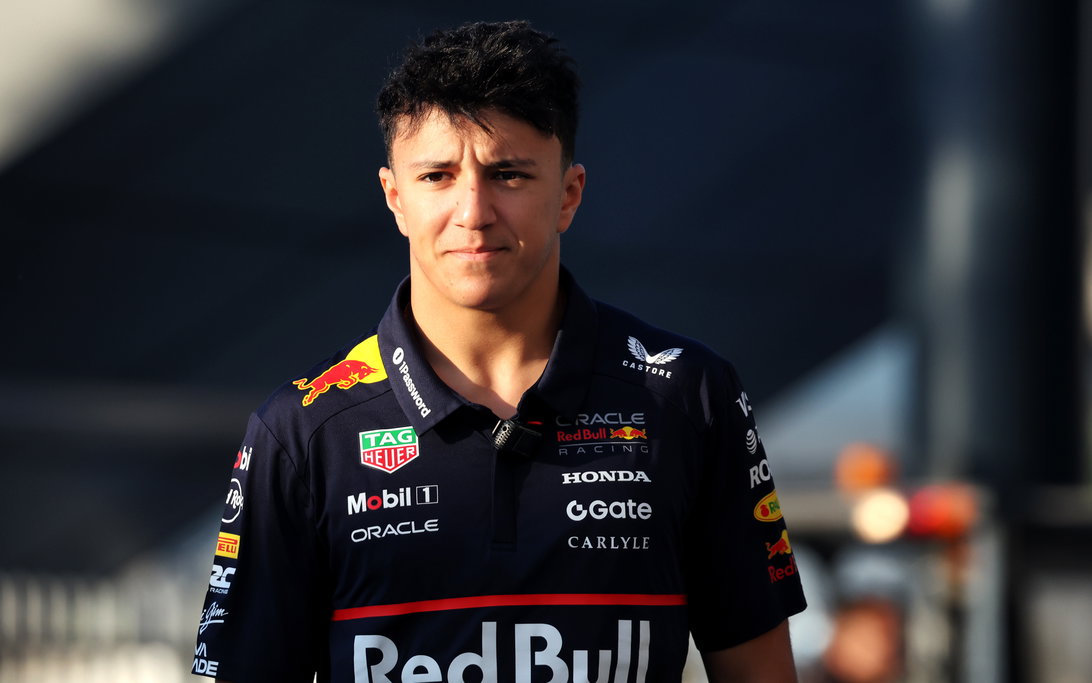
Isack Hadjar enters the Miami weekend confident his Red Bull switch is “pretty easy,” but the event exposes how demanding adaptation remains at the sharp end.
He knows the personnel and processes after five years in the Red Bull system, and the unchanged steering wheel reduces variables. Familiarity, however, does not guarantee immediate performance.

Early-season form looks encouraging. Across the first three rounds, he out-qualifies Max Verstappen twice and scores four points, including sprints, suggesting competitive baseline pace within the team.
Miami resets that narrative. Hadjar qualifies roughly a second slower than Verstappen, then crashes out, while Verstappen extracts immediate pace from a significantly updated RB22.
The contrast underlines a familiar pattern. When update packages shift operating windows, the reference driver often adapts first, aligning setup, tyre preparation, and balance management to new characteristics.
Hadjar out-qualifies Verstappen twice in the opening three rounds, highlighting genuine underlying pace.
Red Bull’s upgrade appears to broaden performance but tightens the car’s sweet spot. Verstappen quickly locates it through preparation laps and rotation control; Hadjar chases it and overreaches.
The outcome is costly. A crash eliminates valuable race mileage, limits post-upgrade correlation learning, and delays the feedback loop that accelerates familiarity.
Hadjar stays positive, insisting he delivers what is possible. That mindset matters, but recovery requires disciplined execution and iterative setup gains across practice and qualifying.
Miami ends early for Hadjar after a crash, compounding a qualifying deficit of about one second to Verstappen.
The team dynamic stays clear. Verstappen provides the benchmark, defining the car’s limit and setup direction. Hadjar must close the offset without triggering errors that erode confidence.
Points remain modest but meaningful given context. The priority now is clean weekends, consistent Q3 contention, and exploiting sprint opportunities while minimizing execution risk.
Hadjar calls the switch “pretty easy,” but the upgraded RB22 demands rapid, precise adaptation to unlock its pace.
Upcoming events should aid recalibration. Diverse layouts and temperatures will broaden his understanding of the update’s load characteristics and tyre management windows.
Red Bull’s upgrade signals stronger competitiveness. For Hadjar, the task is straightforward in concept but difficult in practice: match Verstappen’s reference and convert potential into repeatable performance.
Visual Summary
Isack Hadjar went from “easy move” to a hard reality — Miami crash ends promising start.
Hadjar
+1s / crash
+1s / crash
Verstappen
Pace leader
Pace leader
Season Progress
4
points in 4 rounds
2x out-qualified Verstappen
⚡
Even a strong start can’t guarantee success at Red Bull. Hadjar’s Miami crash shows how tough it is to keep up at the top — and how every upgrade demands rapid adaptation.
Even a strong start can’t guarantee success at Red Bull. Hadjar’s Miami crash shows how tough it is to keep up at the top — and how every upgrade demands rapid adaptation.

Daniel Miller reports on Formula 1 Grand Prix weekends with race-day analysis, team-radio highlights, and point-standings updates. He explains power-unit upgrades, aerodynamic developments, and driver rivalries in straightforward, SEO-friendly language for a global F1 audience.