https://shop.fervogear.com/cart

Pepe Martí Reveals Shocking Formula E Journey: ‘It’s Unbelievable’

Highlights
- Pepe Martí raced his first Formula E double-header in Berlin
- Finished seventh in race one and 12th in race two
- Lost right mirror early, causing visibility challenges
- Berlin circuit known for demanding energy-saving and pack racing
- Martí highlighted unpredictability and strategic complexity of races
- Experience gained seen as crucial for Martí’s development
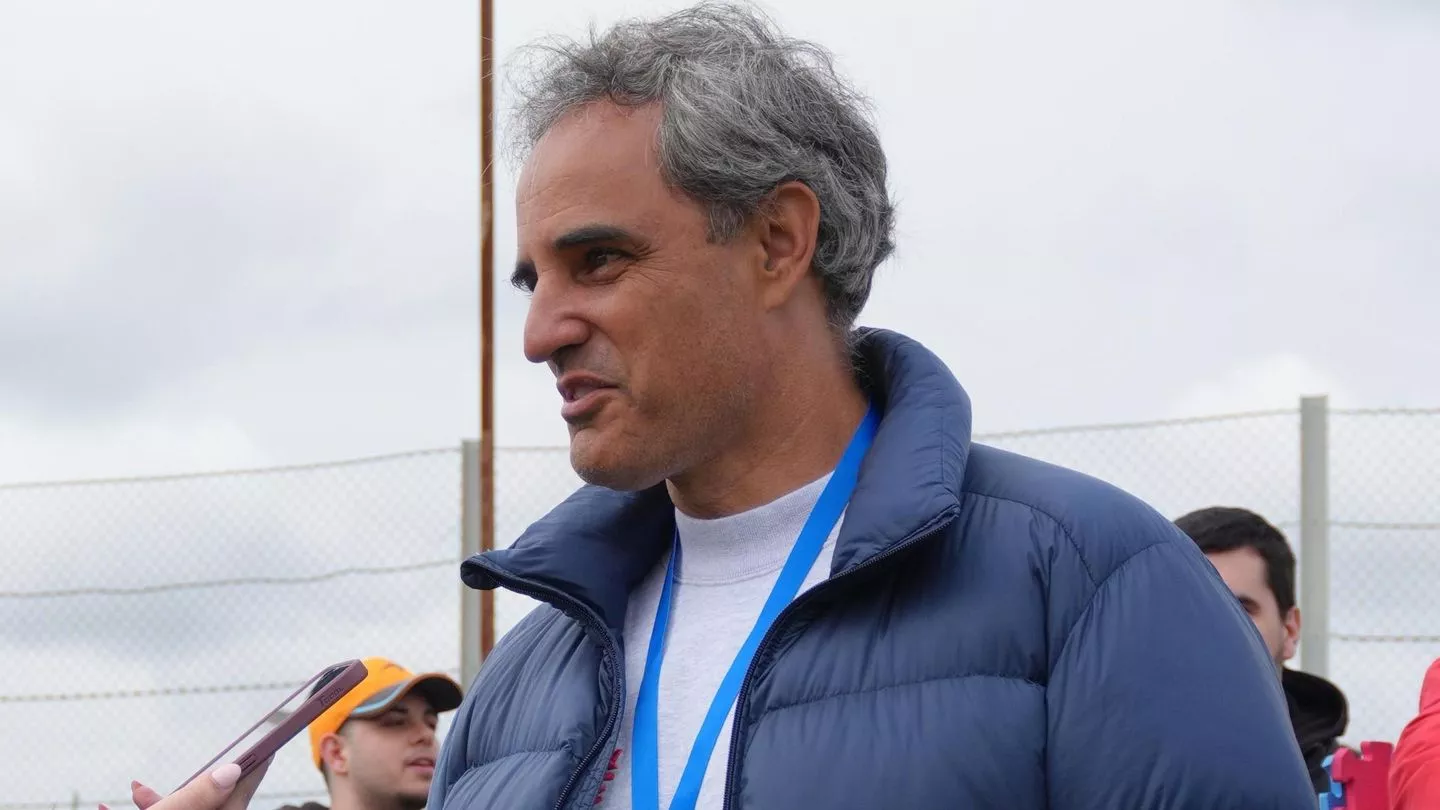
Pepe Martí leaves the Berlin E-Prix double-header calling it unbelievable after his first full exposure to Formula E pack racing, scoring seventh and 12th at the demanding Tempelhof circuit.
Tempelhof’s concrete apron again demands extreme energy saving, huge slipstream effects, and constant compression. The pack expands and condenses, enabling aggressive multi-car moves yet punishing poor positioning.

For a rookie, the learning curve is steep. Martí adapted quickly in race one, then faced even tighter energy targets in race two as the field managed consumption more conservatively.

Positions shuffled corner by corner as drivers surfed the peloton. Attack Mode trains and the tow re-ordered groups repeatedly, testing judgement on when to commit and when to reset.
Result: P7 on Saturday, P12 on Sunday — a credible return from a volatile double-header.
Martí described overtakes as high-risk trades. A successful move could stick; an ill-timed attempt often cost two places. His team executed strategy, but traffic variance and phase timing dictated outcomes.
Damage compounded the task. He lost the right mirror early, leaving a blind side during three-wide runs. An Attack Mode surge from Felipe Drugovich caught him out amid rapidly changing gaps.
Without that reference, he leaned on radio cues and spatial awareness. In Formula E’s tight margins, minor visibility losses escalate risk, especially when conserving energy while defending track position.
Berlin also stresses strategic discipline. Efficient coasting, late lifts, and synchronised Attack Mode activations decide final stint priority. Arriving in the last laps with surplus energy is decisive.
“There are things you can’t predict or control.” Martí raced much of the event without a right mirror, effectively blind on that side.
Martí frames the turbulence as development mileage. Understanding pack aerodynamics, rejoining lines after Attack Mode, and timing swaps for energy recovery should sharpen his decision-making.
Berlin’s format amplifies energy management and pack-racing unpredictability, rewarding precision while exposing small weaknesses.
The weekend outcome is modest but credible. Seventh and 12th reinforce his baseline pace and racecraft under pressure, giving his camp a clear roadmap before similarly volatile venues.
Visual Summary
Martí
?❌
?❌
Pepe Martí’s Berlin Mayhem
“The race positions changed corner by corner!”
First real taste of Formula E’s unpredictable pack racing.
Lost mirror = “completely blind” right side ???
7️⃣
Positions shifted corner by corner
1️⃣2️⃣
Unpredictable. Relentless.
The Berlin E-Prix is Formula E pack chaos at its best.
The Berlin E-Prix is Formula E pack chaos at its best.
For rookies like Martí, it’s a trial by energy—and a leap forward.

Daniel Miller reports on Formula 1 Grand Prix weekends with race-day analysis, team-radio highlights, and point-standings updates. He explains power-unit upgrades, aerodynamic developments, and driver rivalries in straightforward, SEO-friendly language for a global F1 audience.