https://shop.fervogear.com/cart

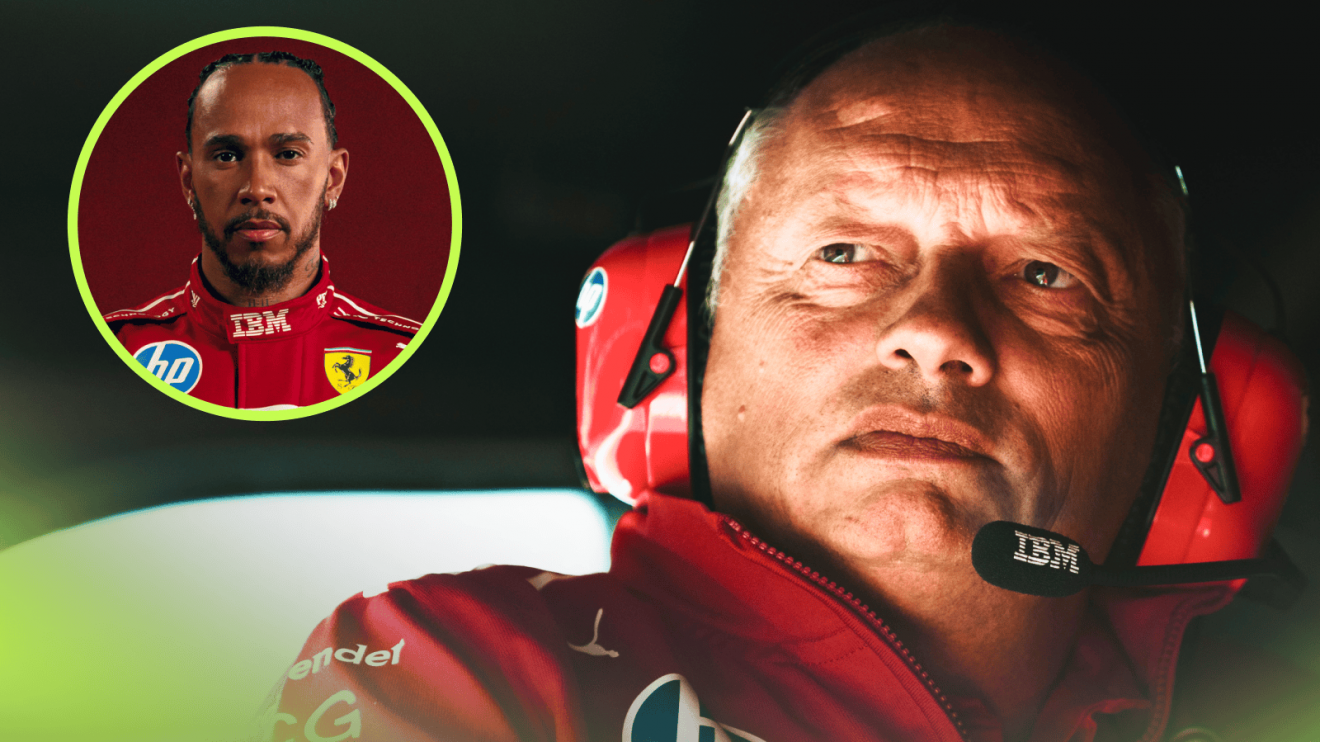
Lewis Hamilton Strongly Defended Amid Latest Ferrari Protest

Highlights
- Hamilton criticized Ferrari’s simulator accuracy during Miami GP weekend.
- Simulator discrepancies led Mercedes to adjust strategy before Canadian GP.
- James Hinchcliffe defended simulators as imperfect but improving tools.
- Hamilton prefers working directly with engineers over simulator reliance.
- Miami GP showcased challenges in matching simulator data to reality.
- Canadian GP on May 24, 2026, offers improvement opportunity.
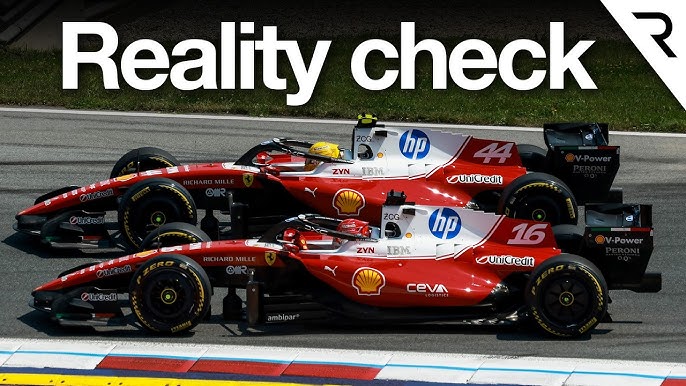
Lewis Hamilton draws scrutiny after questioning Ferrari’s simulator correlation during the Miami Grand Prix weekend, highlighting a mismatch that shaped strategy thinking ahead of Canada.
He reports the SF-26 felt unlike the simulator’s predictions, exposing a gap that contributed to his weakest outing of the season at the Miami International Autodrome.

At 41, Hamilton prefers direct collaboration with engineers over heavy simulator reliance, influencing how preparation and setup paths are chosen.
Former IndyCar race winner James Hinchcliffe defends Hamilton on the F1 Nation podcast, stressing simulators remain imperfect tools despite significant progress.
He explains that tyre behavior, aero sensitivity, power unit delivery, and cockpit forces are difficult to replicate faithfully in any virtual environment.
Discrepancies between simulated and real performance are therefore expected, affecting driver confidence, setup direction, and how teams read balance shifts.
“A simulation is just that: it’s a simulation, not the real thing.” — James Hinchcliffe
Hamilton’s feedback prompts Mercedes to tighten preparation and correlation checks before the Canadian Grand Prix on May 24, 2026.
The team’s vast datasets underpin modelling, yet simplifications around thermal behavior, ride dynamics, and surface evolution create unavoidable fidelity limits.
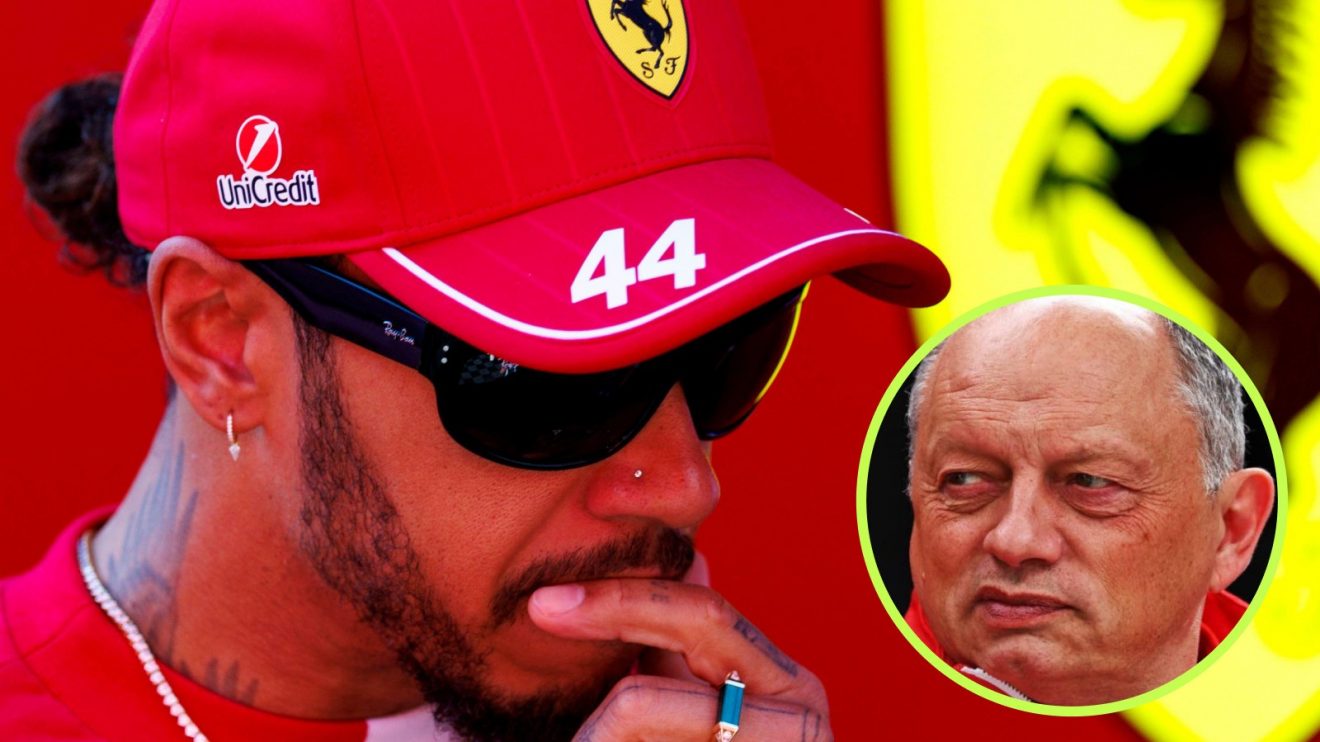
Miami underlines how correlation gaps can mislead setup choices, stint planning, and energy deployment targets across changing temperatures and grip levels.
When reality diverges, teams must swiftly revise run plans, adjust tyre usage windows, and retune aero balance to recover confidence and lap time.
Miami exposed the limits of simulation-to-track correlation, forcing reactive setup and strategy pivots.
Hamilton and his engineers continue closing the loop between virtual tools and trackside learning, seeking stable baselines and predictable operating windows.
The debate reflects modern Formula 1’s trade-off: simulator efficiency and breadth of testing versus the irreplaceable fidelity of real laps.
Teams refine models relentlessly, but on-track feedback remains the decisive reference for performance decisions.
Visual Summary
SIMULATOR
REALITY GAP
ON TRACK
“Sim is not Reality”
Hamilton warns: the Ferrari simulator misleads vs. real-world car feel.
Engineers Over Algorithms
Mercedes listens: old-school teamwork trumps pure digital prep.
Tech Has Limits
Data helps, but drivers need real sensations — not just numbers.
10011101 10101011 00101010 01010101
⚠️ Simulation ≠ Experience ⚠️
⚠️ Simulation ≠ Experience ⚠️

Daniel Miller reports on Formula 1 Grand Prix weekends with race-day analysis, team-radio highlights, and point-standings updates. He explains power-unit upgrades, aerodynamic developments, and driver rivalries in straightforward, SEO-friendly language for a global F1 audience.