https://shop.fervogear.com/cart

Helmut Marko Reveals Why Christian Horner Opposed Max Verstappen’s Surprising Promotion

Highlights
- Max Verstappen promoted to Red Bull during 2016 F1 season at 18
- Daniil Kvyat demoted after multiple collisions at Russian Grand Prix
- Verstappen replaced Kvyat, beating Carlos Sainz for the Red Bull seat
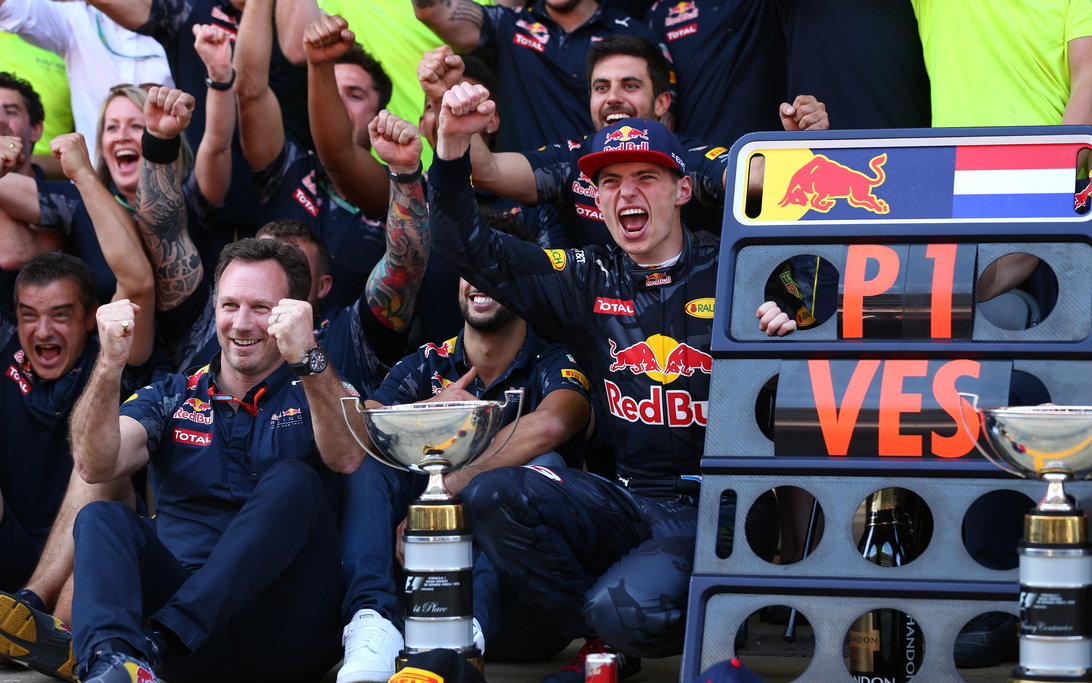
- Verstappen won debut race, becoming youngest winner in Formula 1 history
- Christian Horner initially opposed Verstappen’s early promotion to senior team
- Red Bull’s gamble on Verstappen led to multiple wins and championships
Helmut Marko outlines how Red Bull elevates Max Verstappen to the senior team during 2016, aged 18, after early-season turbulence and intense internal debate over risk and readiness.
The pivot follows Daniil Kvyat’s troubled run, culminating in Russia with two collisions with Sebastian Vettel. Christian Horner initially resists fast-tracking, wary of exposure and operational risk so early.

Marko cites a performance drop versus 2015 and persistent brake complaints from testing as red flags. Red Bull acts quickly to safeguard competitiveness and stabilize the driver pairing alongside Daniel Ricciardo.
Verstappen edges Carlos Sainz for the vacancy. Marko argues Verstappen’s adaptability, racecraft, and learning speed fit Red Bull’s performance window and development model better at that moment.
“Promoting Verstappen at 18 divides opinion internally, yet Red Bull prioritizes performance certainty over seniority.”
The call pays off immediately. Verstappen wins on debut with Red Bull, becoming Formula 1’s youngest race winner, validating the gamble while not completely eliminating internal caution.
Marko acknowledges Sainz’s disappointment and Horner’s continued reservations at the time. The team manages Verstappen carefully, balancing ambition with workload to maintain consistency and limit errors.
Verstappen’s debut victory reframes Red Bull’s trajectory and accelerates the team’s medium-term competitive plan.
Externally, critics question the precedent of elevating such a young driver. Red Bull holds firm, arguing performance evidence outweighs perceived age-based risk in a meritocratic selection process.
The move becomes a cornerstone of Red Bull’s philosophy: decisive, data-led talent calls under pressure. It strengthens the senior team immediately and clarifies expectations across the junior ranks.
Kvyat’s demotion, brake concerns, and form slump serve as operational triggers for the reshuffle.
With hindsight, the 2016 switch stands as a defining moment in recent F1 history. It underlines Red Bull’s willingness to act boldly when competitive prospects demand swift intervention.
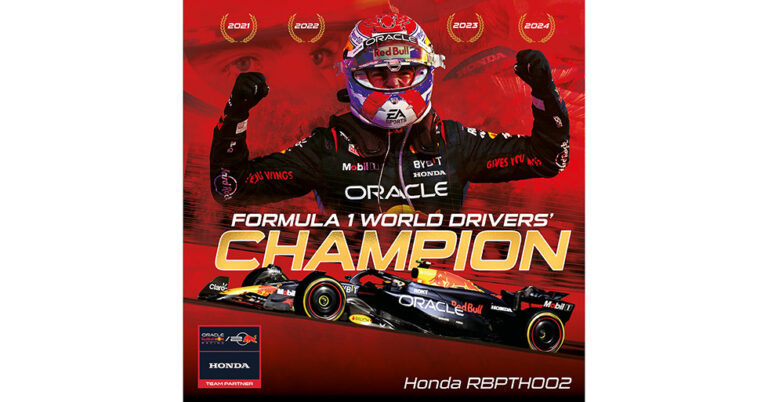
Verstappen’s subsequent wins and championships reinforce the call’s strategic logic, turning a divisive mid-season gamble into a long-term competitive foundation for Milton Keynes.
Visual Summary
?
?
Kvyat
Sainz
Sainz
?️
MAX VERSTAPPEN (18)
?
WIN!
“He’s too young!”
“Too risky!”
“Too risky!”
Red Bull’s Bold Gamble:
Verstappen’s Wild Leap in 2016
Verstappen’s Wild Leap in 2016
At just 18, Max Verstappen was thrust into Red Bull’s spotlight after Kvyat faltered. Critics doubted. One race later, he stunned the world: youngest F1 winner ever. A leap of faith that fueled a dynasty.
F1 HISTORY IMPACT
?
Youth, risk, and instant success: a catalytic Red Bull moment

Daniel Miller reports on Formula 1 Grand Prix weekends with race-day analysis, team-radio highlights, and point-standings updates. He explains power-unit upgrades, aerodynamic developments, and driver rivalries in straightforward, SEO-friendly language for a global F1 audience.