https://shop.fervogear.com/cart

Max Verstappen Triumphs as Mercedes Collapse in Historic F1 Win

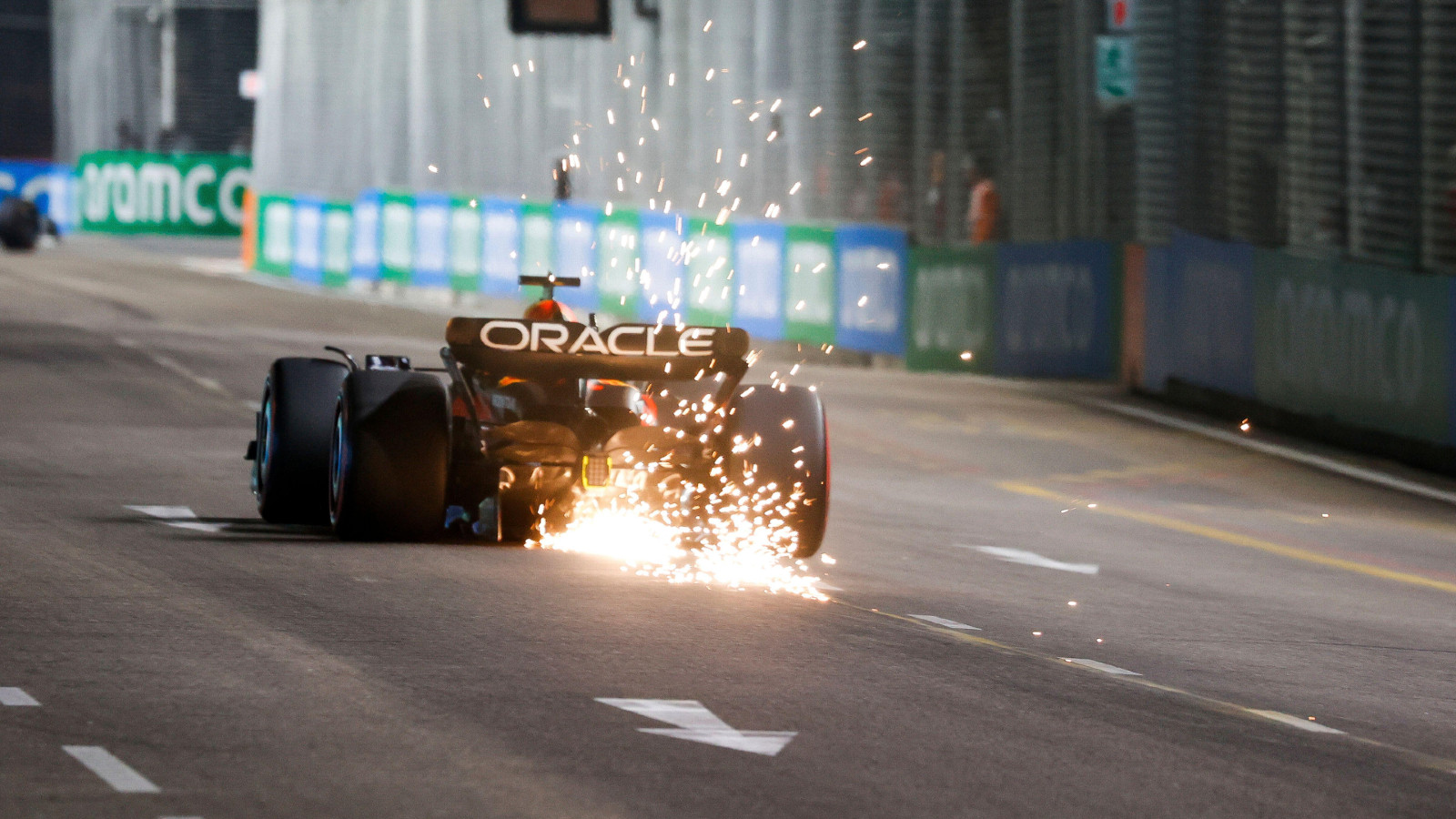
Highlights
- Max Verstappen won his debut F1 race at 18 years old.
- Mercedes drivers Hamilton and Rosberg collided, both retiring instantly.
- Rosberg’s engine error caused power loss leading to the crash.
- Mercedes principal Wolff called the crash “brainless” and issued threats.
- Verstappen used a two-stop strategy to win by 0.616 seconds.
- Red Bull’s victory contrasted with Mercedes’ internal team turmoil.
Max Verstappen, 18 years and 228 days old, wins on debut for Red Bull at Barcelona, capitalising on a first‑lap Mercedes collision to become Formula 1’s youngest GP winner.
At Turn 4 on lap one, Lewis Hamilton and Nico Rosberg collide. Both spin into the gravel and retire, ceding control of the race to Red Bull and Ferrari.

Stewards deem it a racing incident, yet the root cause lies within Mercedes. Rosberg mistakenly runs formation‑lap engine mode, losing power as Hamilton attacks inside, touches grass, and loses control.
Verstappen becomes the youngest GP winner at 18 years and 228 days.
Toto Wolff brands the clash “brainless”, even threatening to fire both drivers, underlining unease about intra‑team combat. Niki Lauda calls it “totally unacceptable”, signalling tougher guidelines on risk and cooperation.
The accident delivers Mercedes’ first double retirement of the season and resets race dynamics. Track position becomes king, elevating strategy execution and tyre conservation above outright pace.
Mercedes records its first double retirement of the season after the Hamilton–Rosberg clash.
Red Bull splits strategies. Daniel Ricciardo and Ferrari pursue three stops, committing to aggression. Verstappen and his side opt for two, prioritising track position and thermal management on long stints.
That call proves decisive. Verstappen leads 35 laps, absorbs sustained pressure from Kimi Raikkonen, and closes with measured pace to win by 0.616s after an immaculate stint-length calculation.
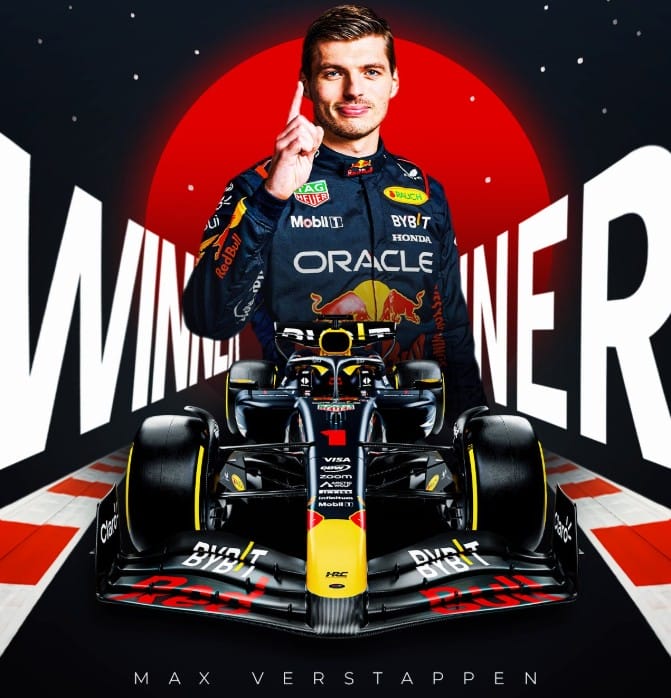
Stewarding consistency matters. With no penalties applied, the decision reinforces that intra‑team contact, however costly, can fall within racing risk when spatial awareness and throttle application errors coexist.
A bold two-stop strategy enables Verstappen to beat Raikkonen by 0.616 seconds.
For Red Bull, the victory validates operational sharpness and composure under pressure. For Mercedes, it triggers a reset on protocols, communication, and permitted aggression to protect championship objectives.
The outcome reshapes narratives. A rookie winner accelerates his trajectory, while a dominant team confronts vulnerability. Barcelona 2016 exemplifies F1’s volatility, where strategy discipline and error margins decide legacies.
Visual Summary
?
Hamilton vs. Rosberg:
Double DNF
Hamilton vs. Rosberg:
Double DNF
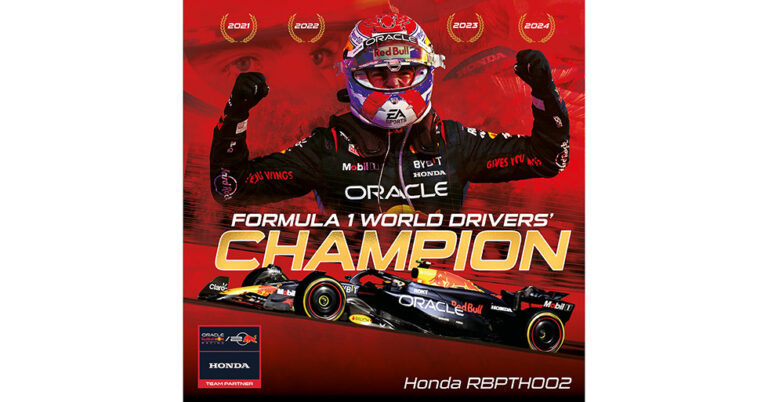
Max Verstappen: Crowned Youngest F1 Winner
On his Red Bull debut at Spain, aged 18 years
Endures relentless Ferrari attack
Endures relentless Ferrari attack
?
Lap 1, Turn 4:
Mercedes Teammates Clash
?
Both Mercedes Out
Doors Open for Red Bull
?️
Verstappen’s Calm
Two-Stop Strategy
Leads 35 Laps
?
Beats Raikkonen by
+0.616s
Chaos creates champions. At 18, Verstappen made F1 history the moment rivals clashed.
Sometimes, the sport’s youngest star becomes its new king—
because he was ready to seize the ONLY moment that mattered.
because he was ready to seize the ONLY moment that mattered.
F1 Spain 2016 – Official Report

Daniel Miller reports on Formula 1 Grand Prix weekends with race-day analysis, team-radio highlights, and point-standings updates. He explains power-unit upgrades, aerodynamic developments, and driver rivalries in straightforward, SEO-friendly language for a global F1 audience.