https://shop.fervogear.com/cart

Verstappen Emerges as Dark Horse Amid Mercedes’ Critical Challenge

Highlights
- Mercedes introducing major upgrades for Canadian Grand Prix weekend
- Max Verstappen positioned as strong contender in Montreal race
- George Russell impressed by beating Kimi Antonelli at Montreal
- McLaren continues consistent progress with effective race updates
- Rising star Kimi Antonelli signals new talent emergence
- Canadian GP crucial for championship momentum and rivalry
Mercedes arrives in Montreal with a significant upgrade package, framing the Canadian Grand Prix as a pivotal validation point. Max Verstappen shapes up as a quiet favourite if Red Bull enjoys a clean weekend.
The Circuit Gilles Villeneuve rewards traction, kerb compliance, and braking stability. Any uplift in low-speed performance and aero efficiency will show immediately across its chicanes and long straights.

Mercedes’ Montreal package is a key correlation test under the cost cap, with immediate competitive and strategic implications.
Mercedes targets lap-time through a revised floor, wing details, and setup range. The real question is correlation. Does the tunnel and CFD promise translate once the car rides the kerbs?
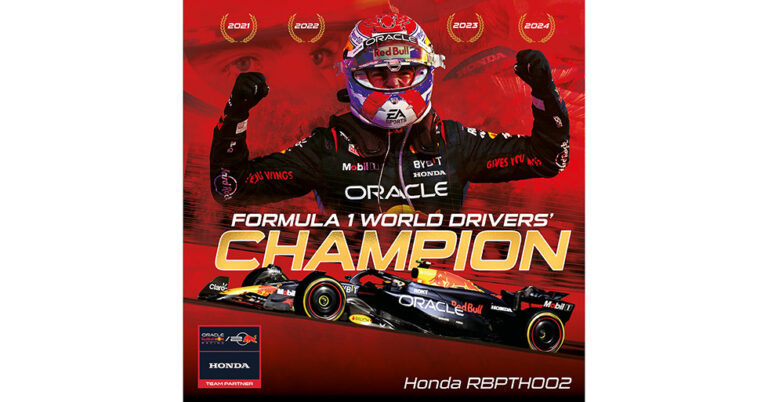
Verstappen’s prospects look strong. If Red Bull hits its operating window, straightline efficiency and drive off slow corners could reassert control after recent variability.
George Russell’s recent Montreal outing, where he beat Kimi Antonelli, underlines his strength here. That form sets a demanding benchmark as pressure grows within Mercedes.
Verstappen is cast as the dark horse, but Montreal’s traits could make him the reference if execution is clean.
A setback this weekend would sting. Montreal is a circuit Russell usually exploits, so any deficit would amplify scrutiny on Mercedes’ development direction.
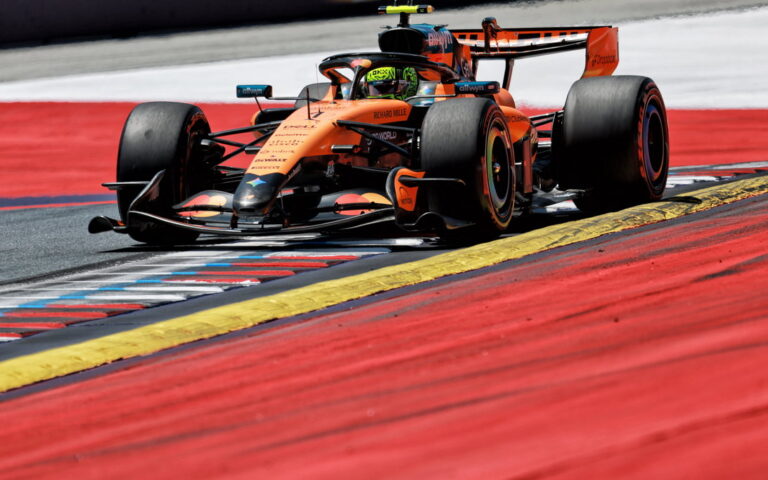
McLaren continues to execute cleanly with updates that convert on Sundays. Its operational sharpness keeps the car in the competitive window across changing conditions.
That consistency matters in Montreal’s high-safety-car environment. Strategy flexibility and tyre management often decide the podium as margins compress.
McLaren’s reliable update conversion turns steady progress into realistic podium pressure on Mercedes and Red Bull.
Holding station with Red Bull and Mercedes remains McLaren’s priority. If the upgrades stack up, the competitive order could shuffle through qualifying and race trim.
There is also noise about a return of F1’s ‘raw energy’. Rising talent Kimi Antonelli symbolizes that, adding fresh jeopardy for established names.
Such emergence tightens the field’s competitive elasticity. Established leaders must find gains not only through parts, but also through execution and adaptability.
Verstappen’s broader form, including recent endurance campaigns and near-misses at the Nürburgring 24 Hours, sharpens his racecraft. That experience often tells in Montreal’s risk-versus-reward sequences.
Those lessons matter across the chicanes, where wall proximity punishes overreach. Judgement under pressure has historically been Verstappen’s differentiator.
For Mercedes, this package guides the next development steps. Data collection will test correlation and inform resource deployment under ATR restrictions.
Red Bull sets the benchmark. The championship fight is decided in milliseconds, and Montreal’s long DRS zones magnify small aero and drag gains.
The 2026 season narrative intensifies. With headline events clustered around this phase, momentum now shapes the title arc as much as raw pace.
Expect aggressive but controlled strategies, protective out-laps, and undercut attempts. Tyre warm-up and graining risk will shape stint lengths and pit windows.
Montreal stands as a key chapter. It decides whether Mercedes’ upgrades close the gap, and whether Verstappen converts quiet confidence into outright control.
Visual Summary
Verstappen: Dark Horse in Montreal
Pressure mounts as Mercedes gambles on upgrades
New Upgrades
McLaren Chasing
Rivalry Heat
?
Can Verstappen steal the show?
All eyes are on Max as the ‘dark horse’—can he surprise the field on Montreal’s tricky streets?
?
Mercedes makes its move
Major upgrades debut under pressure—this could be their moment or a critical setback.
?
New stars, new sparks
Kimi Antonelli & McLaren surge—fresh faces and fierce upgrades promise chaos at the front.
The Canadian GP: Where underdogs, upgrades, and new heroes collide.

James William covers the IMSA WeatherTech SportsCar Championship, from the Rolex 24 at Daytona to sprint-race formats. His reports include prototype performance reviews, GT class battles, and pit-stop strategy insights for endurance-racing fans.