https://shop.fervogear.com/cart

Former F1 Team Boss Sparks Controversy with Regulation Complaints


Highlights
- New 50/50 combustion-electrification power unit rules spark debate.
- Drivers use lift-and-coast techniques to manage energy in qualifying.
- Miami Grand Prix improvements followed FIA’s multiple regulation adjustments.
- 2025 shifts power unit to 60% combustion and 40% electrification.
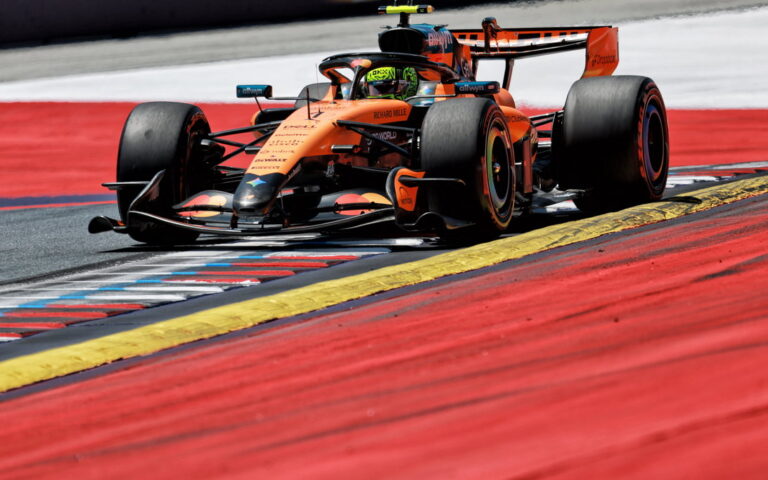
- McLaren narrows performance gap to Mercedes under new rules.
- Power unit changes aim to enhance hybridity and racing sustainability.
Former Formula 1 team boss Otmar Szafnauer addresses growing complaints about this season’s power unit rules, arguing adaptation and execution, not just regulation design, drive much of the frustration.
The regulations mandate an even 50/50 split between combustion and electrification. That balance reshapes strategies, tightens energy budgets, and amplifies how teams manage deployment across laps and stints.

Drivers increasingly lift-and-coast, even in qualifying, to complete representative laps. When batteries deplete mid-race, overtakes can appear contrived, exposing the sensitivity of the current deployment windows.
The FIA responds iteratively. Adjustments already improve the Miami weekend, and further tweaks are expected as the ruleset evolves toward a longer-term framework targeted for 2027.
From next year, the balance shifts to 60% combustion and 40% electrification. The aim is broader drivability, softer harvesting cliffs, and racing less constrained by strict energy windows.
Power units move to 60% combustion and 40% electrification next season.
Szafnauer accepts pushback is inevitable with big architectural changes. Purists label the concept “impure,” but he argues understanding software, deployment maps, and cooling strategies is as important as regulation tweaks.
“It’s regulation plus usage,” Szafnauer says, highlighting the operational learning curve.
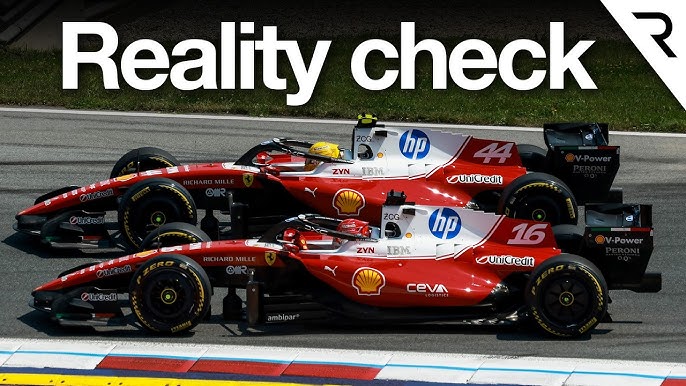
The competitive picture shifts. Ferrari threatens early, but Mercedes consolidates recently, while McLaren closes the gap convincingly, reflecting differing development rates and how quickly teams exploit the new constraints.
Szafnauer stops short of calling Mercedes dominant. He frames the advantage as track-specific and process-driven, with calibration of harvesting, deployment, and thermal efficiency separating the frontrunners under parc fermé pressures.
Energy management now dictates strategy, tyre usage windows, and overtaking viability.
Convergence remains likely as software tools mature and correlation improves. However, variability should persist while teams refine cooling layouts, trim harvesting drag, and integrate deployment with tyre and brake management.
The broader objective is clear: advance hybridity and sustainability without dulling the spectacle. Delivering wider tactical freedom will determine whether the package yields closer battles or renewed controversy.
Visual Summary
?
50
50
50
⚡
?
⛓️
?
New F1 Power:
50% Combustion ? / 50% Electric ⚡
(60% / 40% from next year)
50% Combustion ? / 50% Electric ⚡
(60% / 40% from next year)
Racing Evolves
Energy management now decides races
Energy management now decides races
?️ Adjustment Race
Teams & FIA still tweaking rules
Teams & FIA still tweaking rules
2024
→
2025
→
2027
→
2025
→
2027
Combustion share rises. Balance still in flux.
Otmar Szafnauer:
“Sure, the purists complain—but F1 is all about adapting to the next curve.”
“Sure, the purists complain—but F1 is all about adapting to the next curve.”

Daniel Miller reports on Formula 1 Grand Prix weekends with race-day analysis, team-radio highlights, and point-standings updates. He explains power-unit upgrades, aerodynamic developments, and driver rivalries in straightforward, SEO-friendly language for a global F1 audience.