https://shop.fervogear.com/cart

Which Tyres Will Teams and Drivers Choose for Canada Race?

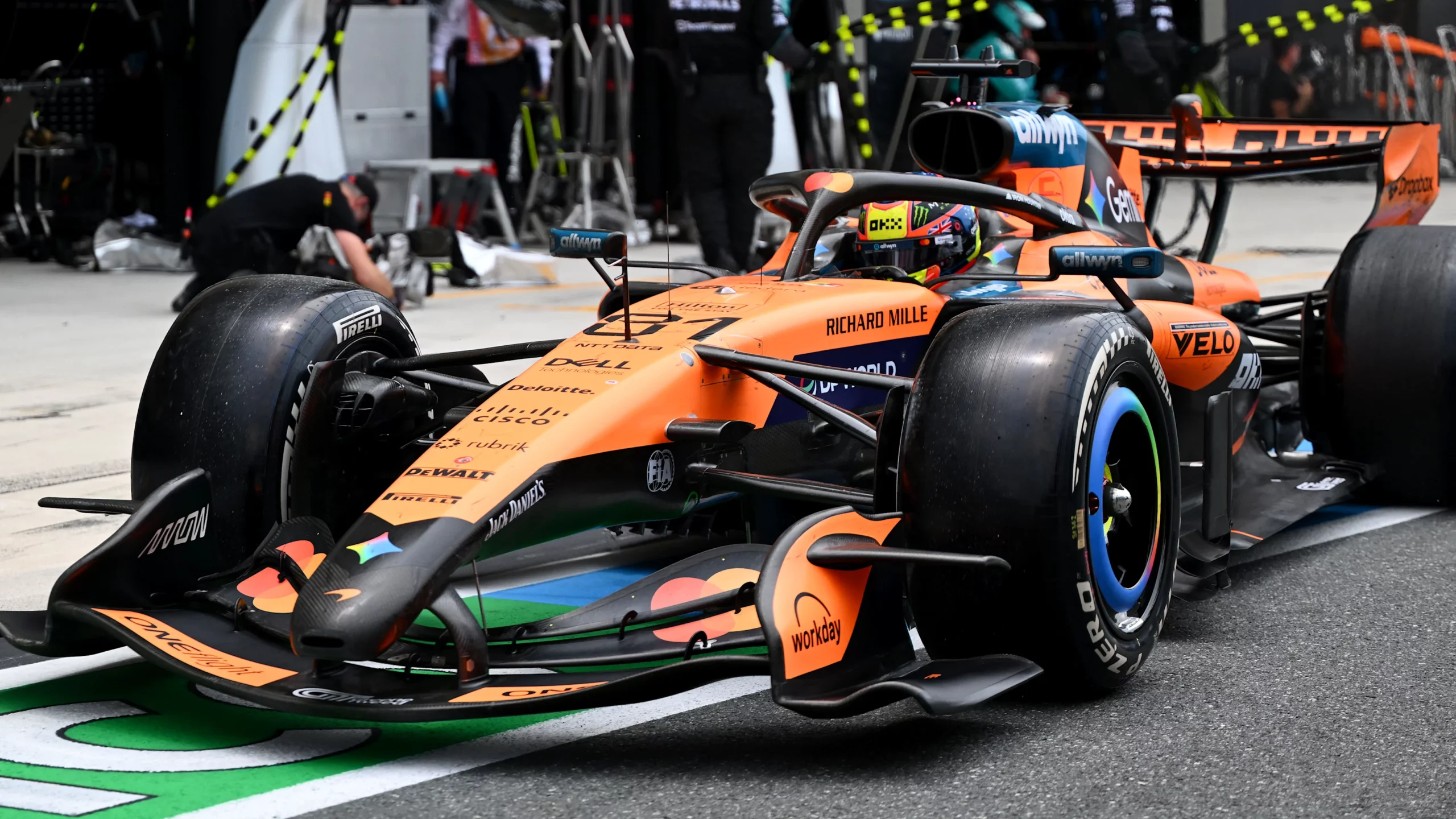
Highlights
- Pirelli confirmed C3, C4, and C5 tyre compounds for Canada 2026.
- Canada to host its first official Sprint race in 2026 weekend.
- Each driver has 12 tyre sets for the Sprint weekend.
- Montreal circuit resurfaced in 2024 with smooth, low-abrasion surface.
- Soft tyres expected for Sprint; harder tyres likely on race day.
- Weather and evolving track conditions will impact tyre strategies.
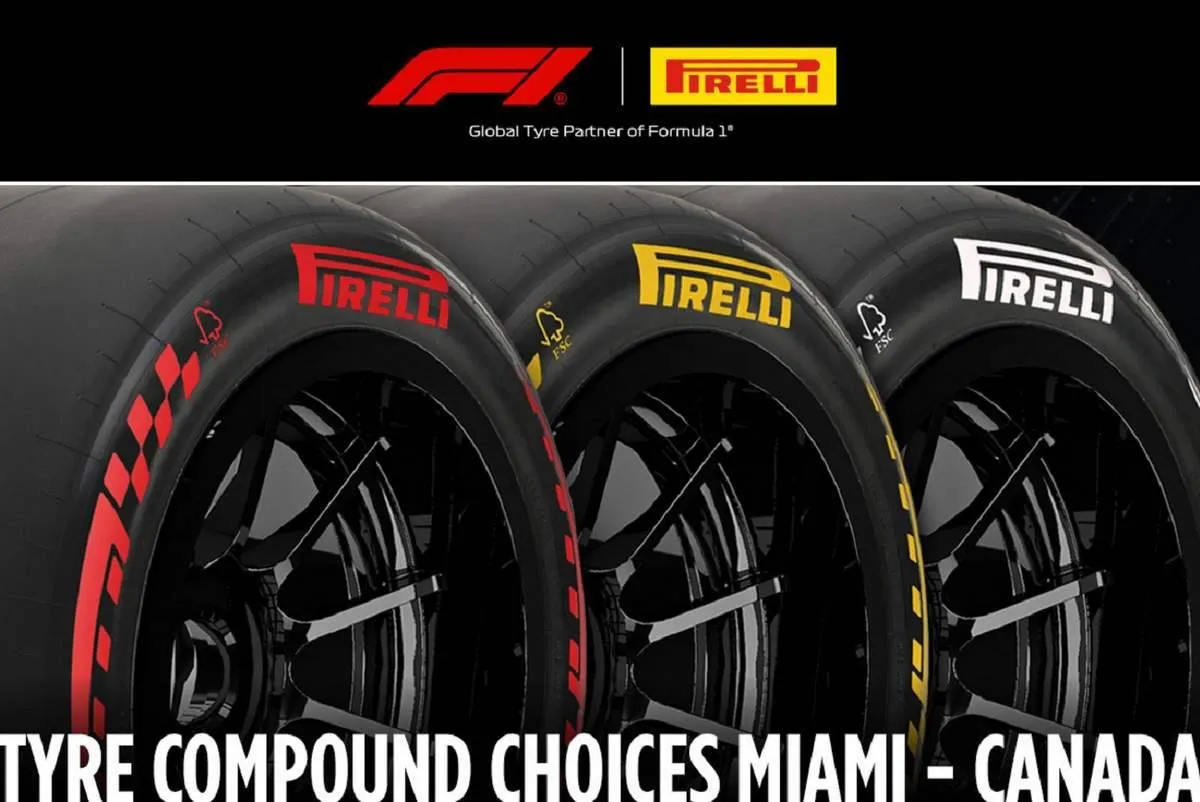
Pirelli confirms C3, C4, and C5 for the 2026 Canadian Grand Prix Sprint weekend in Montreal. The selection mirrors Miami and prioritises grip on a rapidly evolving surface.
The softest range again frames strategy. C3 acts as the hard, C4 the medium, and C5 the soft, offering strong traction and short-run performance at a stop‑go venue.

Canada stages its first official Sprint, changing tyre usage and parc fermé dynamics. Each driver receives 12 dry sets: two hards, four mediums, and six softs, plus intermediates and wets.
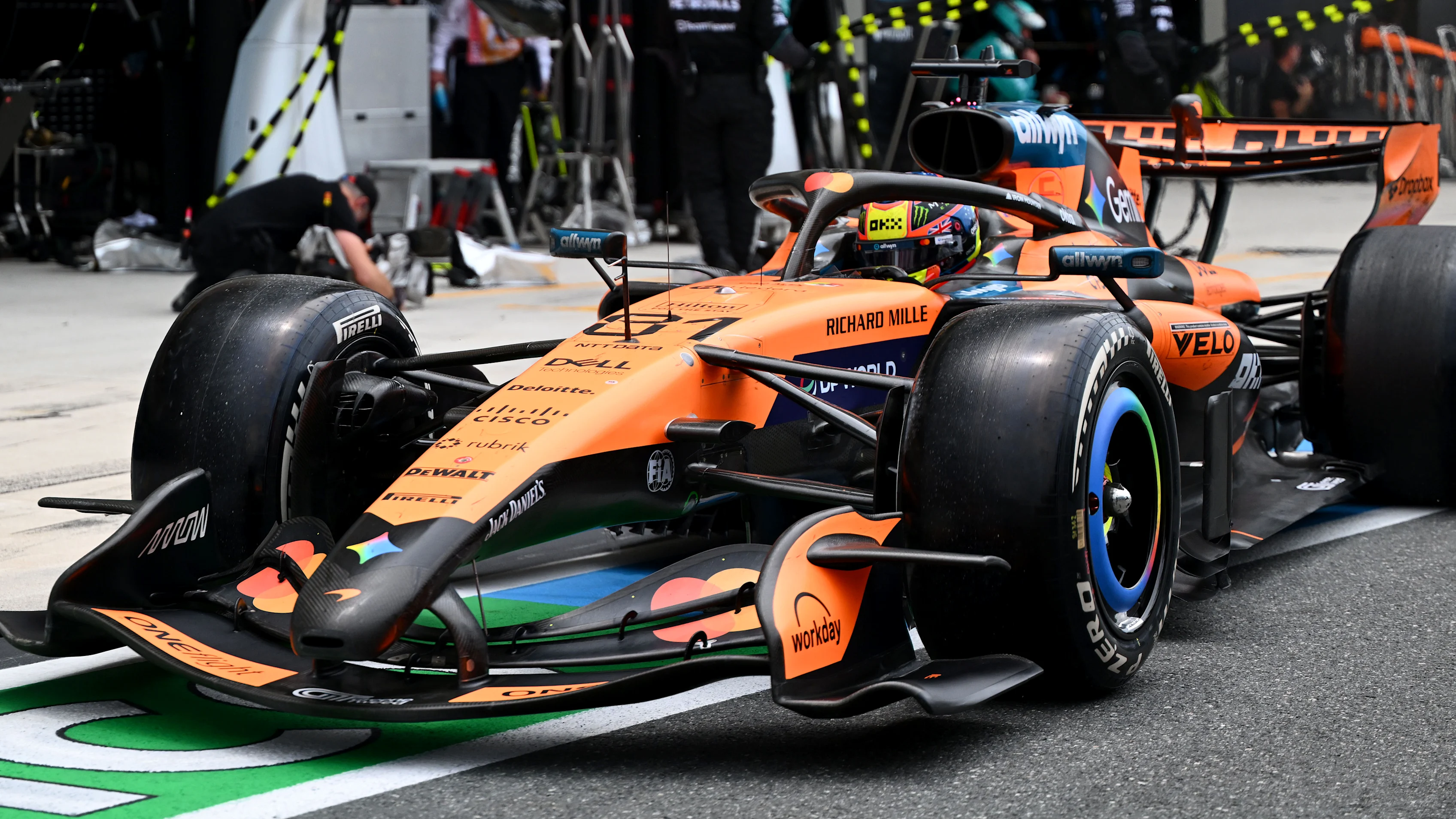
The 4.361km Circuit Gilles Villeneuve rewards braking stability and traction. Fourteen corners, allied to long accelerations, heavily tax the rear tyres under traction.
Despite street‑track traits, overtaking is feasible. The final chicane remains decisive, with the Wall of Champions punishing small errors under DRS-assisted attacks.
A 2024 resurface leaves low abrasion and high track evolution across sessions. Last year’s graining proved disruptive, particularly late in running as temperatures shifted.
Low-abrasion asphalt and Pirelli’s revised construction should curb graining compared to last year.
Pirelli’s latest design is intended to reduce graining risk. As rubber builds, teams may see issues fade as early as Friday, improving run-plan confidence.
Weather is a persistent variable in Montreal. Cooler conditions and showers can delay warm-up, complicating qualifying as teams chase surface temperature.
The soft compound warms fastest and offers peak grip for single laps, suiting Sprint and qualifying priorities.
Expect widespread soft usage in the Sprint, where short runs and track position dominate. Sunday may skew harder if temperatures drop or graining reappears.
Miami’s one-stop tendency is a logical template, though Montreal’s evolution and weather could diversify strategies. Undercut power hinges on warm-up and pit-lane delta.
Sprint allocation: 12 dry sets per driver – 2H, 4M, 6S – plus six intermediates and three full wets.
The Sprint format also tightens mileage choices through practice. Early understanding is vital, especially with parc fermé constraints after Sprint qualifying.
Canada’s inaugural Sprint follows months of planning, as detailed in the build-up to the weekend in event previews and format guidance.
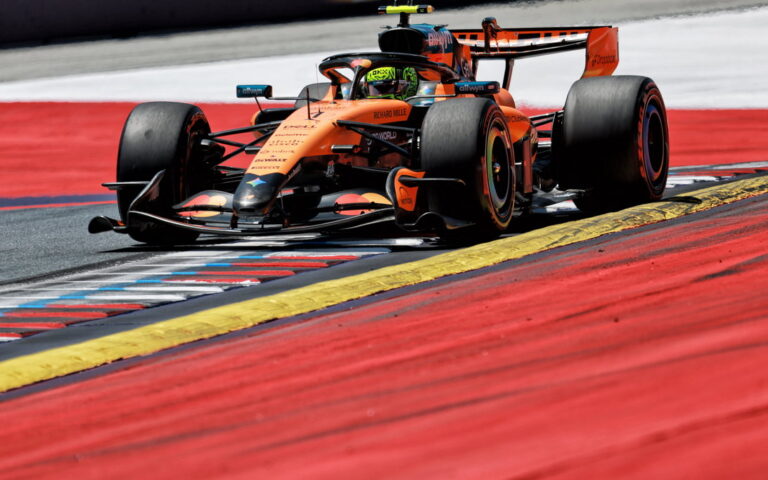
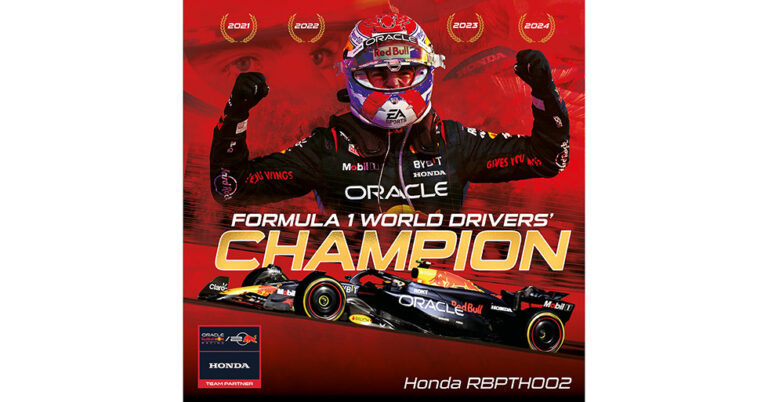
Upgrades could tilt the competitive order. McLaren targets efficiency and traction gains with a Canada-specific package, while power unit refinements hint at a Honda breakthrough.
Pirelli’s C3-C5 selection mirrors Miami and prioritises grip on a quickly evolving Montreal surface.
Ultimately, success rests on tyre warm-up management, flexible stint lengths, and reactive calls to weather. Track evolution and allocation discipline will decide fine margins.
Visual Summary
C3
C4
C5
Sprint
Roulette
Roulette
⚫️
🔴
🟠
🔴
🟠
Tyre Sets per Driver
2 Hard • 4 Medium • 6 Soft
⚡
Canada’s 1st Sprint
(Track evolution key)
Canada’s 1st Sprint
(Track evolution key)
?️
Rain Possible
Cool temps, tricky grip
Rain Possible
Cool temps, tricky grip
?
Wall of Champions
Final chicane drama?
Wall of Champions
Final chicane drama?
Tyre roulette returns:
C3, C4, and C5 compounds for Canada’s first-ever Sprint. With only
12 tyre sets per driver
and unpredictable Montreal weather, the teams face the ultimate tactical test as they chase grip on a new surface.
C3, C4, and C5 compounds for Canada’s first-ever Sprint. With only
12 tyre sets per driver
and unpredictable Montreal weather, the teams face the ultimate tactical test as they chase grip on a new surface.
Will a roll of the tyre wheel decide the 2026 Grand Prix?

Daniel Miller reports on Formula 1 Grand Prix weekends with race-day analysis, team-radio highlights, and point-standings updates. He explains power-unit upgrades, aerodynamic developments, and driver rivalries in straightforward, SEO-friendly language for a global F1 audience.