https://shop.fervogear.com/cart

Pedal to the Metal: Key Strategy Changes in a Tight New Era for ‘500’


Highlights
- Average race speeds now near 171 mph in Indianapolis 500
- Nearly 25 cars finish, more than 19 remain on lead lap
- Winning margin shrinks to just 0.3 seconds on average
- At least five pit stops required during the 500-mile race
- Experience and timing crucial for success in final race stages
- Drivers push aggressively with minimal margin for error
The 110th Running of the Indianapolis 500 arrives with unprecedented speed, parity, and pressure at Indianapolis Motor Speedway. Margins shrink, strategies tighten, and execution decides outcomes.
Recent seasons show faster averages, deeper finishing fields, and more cars on the lead lap. The event now ranks among the closest in its history.
A century ago the picture was different. The 1920s averaged just over 95 mph, about 12.7 finishers, fewer than 10 on the lead lap, and winning margins measured in minutes.
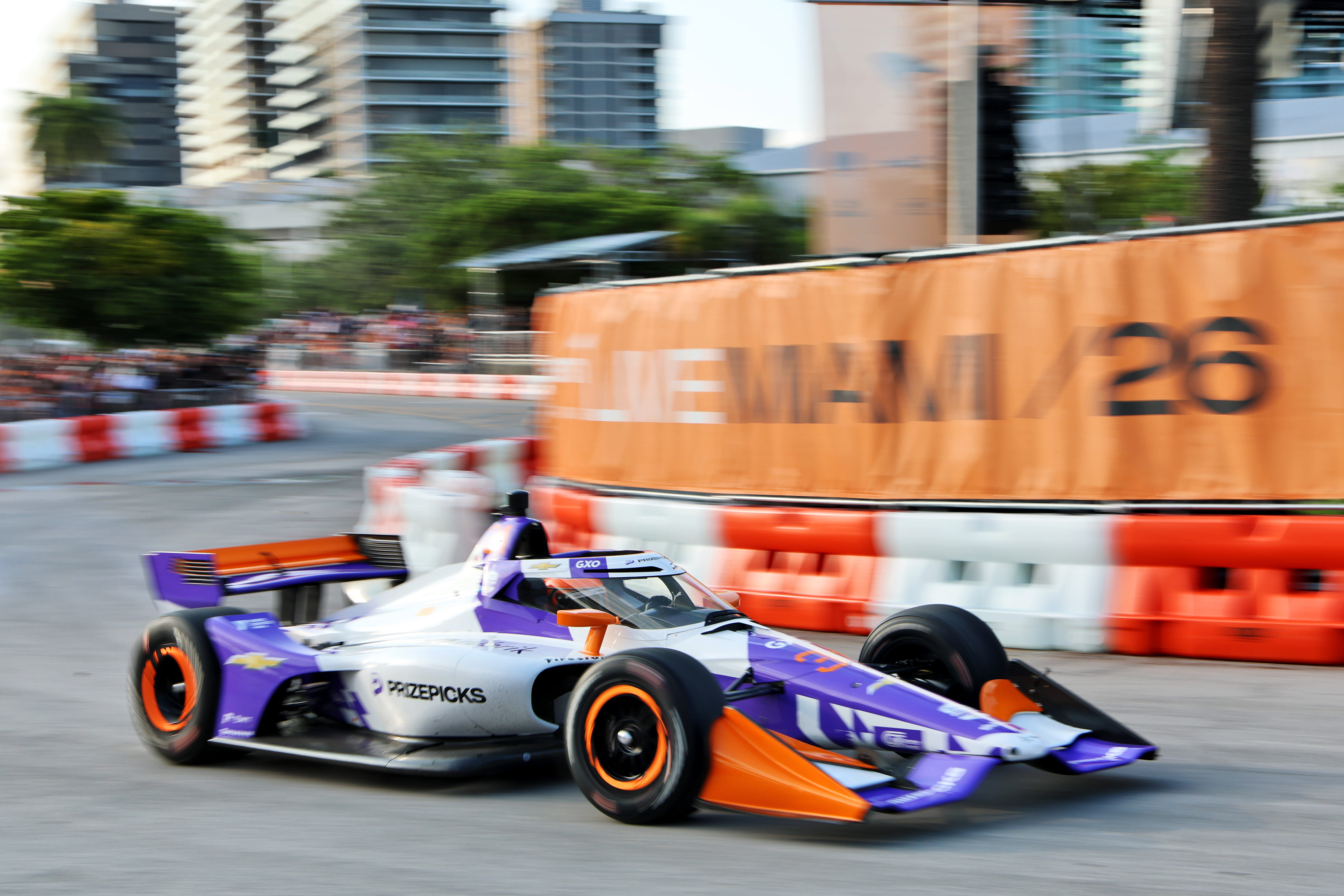
By the early 2000s, roughly 10 cars typically finished on the lead lap and margins hovered around two seconds. Today, averages approach 171 mph with nearly 25 finishers and 19-plus on the lead lap.
The average winning margin is down to 0.3 seconds, intensifying the final-lap battle and exposing any strategic misstep.
The average winning margin now sits near 0.3 seconds, tightening finishes to razor-thin gaps.
That compression raises the premium on execution. Teams must balance tire degradation, fuel targets, and evolving track states while guarding track position.
Temperature swings and wind shifts alter balance and grip across 500 miles, reshaping pit windows. At least five pit stops are required, more than any other NTT INDYCAR SERIES event.
At least five pit stops are mandatory, the highest workload on the calendar, magnifying pit-lane precision.
Those variables amplify the value of disciplined planning. As outlined in our 500 qualifying breakdown, small gains compound over long runs and through traffic.
Experience often decides the final stint. Marcus Ericsson notes it is “such a long race and there are so many things you need to get right” to stay in contention.
Judgment matters as much as pace. Pato O’Ward stresses knowing when to attack and when to ride, preserving options for the decisive laps.
“Know when to make moves and when to ride it out” remains decisive in the final stint.
Recent races underline that point. Alex Palou’s 2024 win leveraged lapped traffic to blunt a late challenge, applying lessons from Helio Castroneves’s well-timed 2021 pass.
The final laps demand commitment. Scott McLaughlin says in the biggest race of the year “everyone is prepared to do what they need to do to win.”
As pressure peaks, margins for error vanish. Conor Daly observes that respect fades near the flag as drivers fight relentlessly for track position.
The broader trend mirrors other top series refining formats and tactics. This season’s Canadian Sprint weekend highlighted similar strategic compression.
Victory at Indianapolis now requires a clear plan, flawless stops, and composure under extreme pressure. Ericsson expects another exacting test of discipline and timing on Sunday.
That evolution aligns with fresh competitive demands across elite racing, much like how F1 teams shorten races to sharpen strategy and spectacle.
Visual Summary
171
Avg Speed (mph)
Avg Speed (mph)
0.3s
Avg. Winning Margin
Avg. Winning Margin
19+
Cars on Lead Lap
Cars on Lead Lap
Every second, every lap, every decision—only perfection delivers victory in the closest Indy 500 era ever.
Standouts:
Palou’s late-battle traffic trick, Ericsson’s call for composure, and McLaughlin’s “win at all costs” charge highlight tactics now as vital as pure speed.
2024: The Tightest Finish Zone
1920s Start Line

Brian Thompson focuses on IndyCar Series news, from qualifying speeds at Indianapolis Motor Speedway to street-course race strategy. He delivers concise feature stories and technical breakdowns on chassis setups, tire choices, and championship standings for open-wheel enthusiasts.