https://shop.fervogear.com/cart

Max Verstappen Reveals ‘Pure’ Demand as F1 Rule Change Hangs in Balance


Highlights
- Max Verstappen advocates for simpler, more “pure” Formula 1 racing.
- Verstappen finished third at the 2026 Canadian Grand Prix.
- F1 rules currently impose a 50:50 power split between engine and battery.
- Proposed 2027 shift to 60:40 engine-to-battery power split is contested.
- FIA hints at potential V8 engine return from 2030 engine cycle.
- Verstappen calls complex rules confusing for drivers and fans alike.
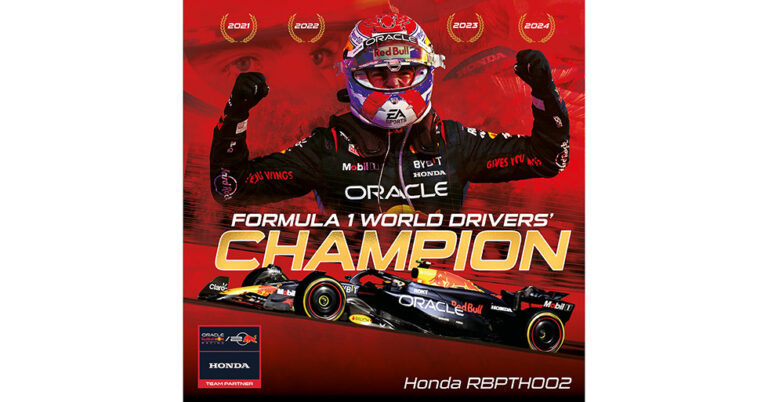
Max Verstappen renews his call for simpler, ‘pure’ F1 as rule talks intensify after Montreal. The Red Bull driver took third in Canada, his first 2026 podium.
He argues current power-unit and sporting frameworks overcomplicate driving. Verstappen wants less energy management and clearer allowances for overtakes, formation laps, in-laps, and battery deployment.

Today’s regulations target a 50:50 split between internal combustion output and MGU-K deployment, capped around 350kW. Verstappen labelled that concept ‘anti-racing’ in pre-season comments.

Some mitigation arrived in Miami, trimming super‑clipping and lift‑and‑coast demands. A post‑Miami agreement outlined a 60:40 engine‑to‑battery balance for 2027, a direction aligned with Verstappen’s latest demand, though manufacturer consensus remains unsettled.
Audi and Ferrari are wary of early rewrites after investing heavily in the 50:50 model. Team bosses have also weighed in publicly on timing and cost exposure.
“The proposed changes are the minimum necessary” to restore more natural racing, Verstappen says.
Red Bull Powertrains presses for the shift. The project’s competitive outlook improves with greater combustion contribution and simpler deployment rules, reducing the penalty for mismanaging energy windows.
Verstappen says today’s layered rules confuse drivers and spectators. His pre‑season critique of operational ‘confusion’ framed a consistent message about accessibility and race craft.
Verstappen called the 50:50 concept “Formula E on steroids” earlier this year.
He maintains racing quality stems from driver skill. Recent wheel‑to‑wheel fights, including renewed Hamilton‑Verstappen flashpoints, underscore that point more than architecture or algorithms.
FIA president Mohammed Ben Sulayem has hinted at a possible V8 return for the next engine cycle, potentially from 2030, a direction some manufacturers are open to exploring.
That path promises simplicity and sound, but risks diverging from sustainability targets. Any pivot would require fuel efficiency assurances and clear hybrid integration or offset strategies.
Even in rental cars, top drivers would still entertain, Verstappen argues.
Montreal marked a stabilising weekend for Verstappen’s season. He also impressed at the Nürburgring 24 Hours in a Mercedes GT3, before a driveshaft failure with around three hours remaining.
F1 now faces pivotal decisions for 2027 and beyond. The outcome will define how the series balances advanced hybrids with the straightforward racing Verstappen and many fans want.
Visual Summary
Complexity
Rules, Battery, Tech
Purity
Skill, Engine, Racing
Verstappen Twists the Dial:
“Bring Back Pure Racing – Let Drivers Decide the Show”
Verstappen P3, Canada ’26
⚡ Rules: 50:50 Battery/ICE
Push for Engine-Heavy 60:40
? “Complicated = Confusing”
Skill & Simplicity = Better Racing
2026
?+?️
Tech Mix
(Battery/ICE)
?+?️
Tech Mix
(Battery/ICE)
→
2030?
?️ V8
Back to
Simplicity?
?️ V8
Back to
Simplicity?
“Even in rental cars, world-class drivers would put on a great show. F1 is about the people in the cockpit – let’s stop making it harder for them to race.”

Daniel Miller reports on Formula 1 Grand Prix weekends with race-day analysis, team-radio highlights, and point-standings updates. He explains power-unit upgrades, aerodynamic developments, and driver rivalries in straightforward, SEO-friendly language for a global F1 audience.