https://shop.fervogear.com/cart

George Russell Faces Setback but Keeps Crucial F1 Title Lead

Highlights
- George Russell retired from Canadian GP due to power unit failure.
- Russell’s retirement widened Antonelli’s championship lead to 43 points.
- 17 rounds remain, giving Russell time to close the gap.
- Russell secured pole position despite discomfort in qualifying.
- Antonelli showed speed but struggled with composure under pressure.
- Mercedes managing intense intra-team championship battle cautiously.
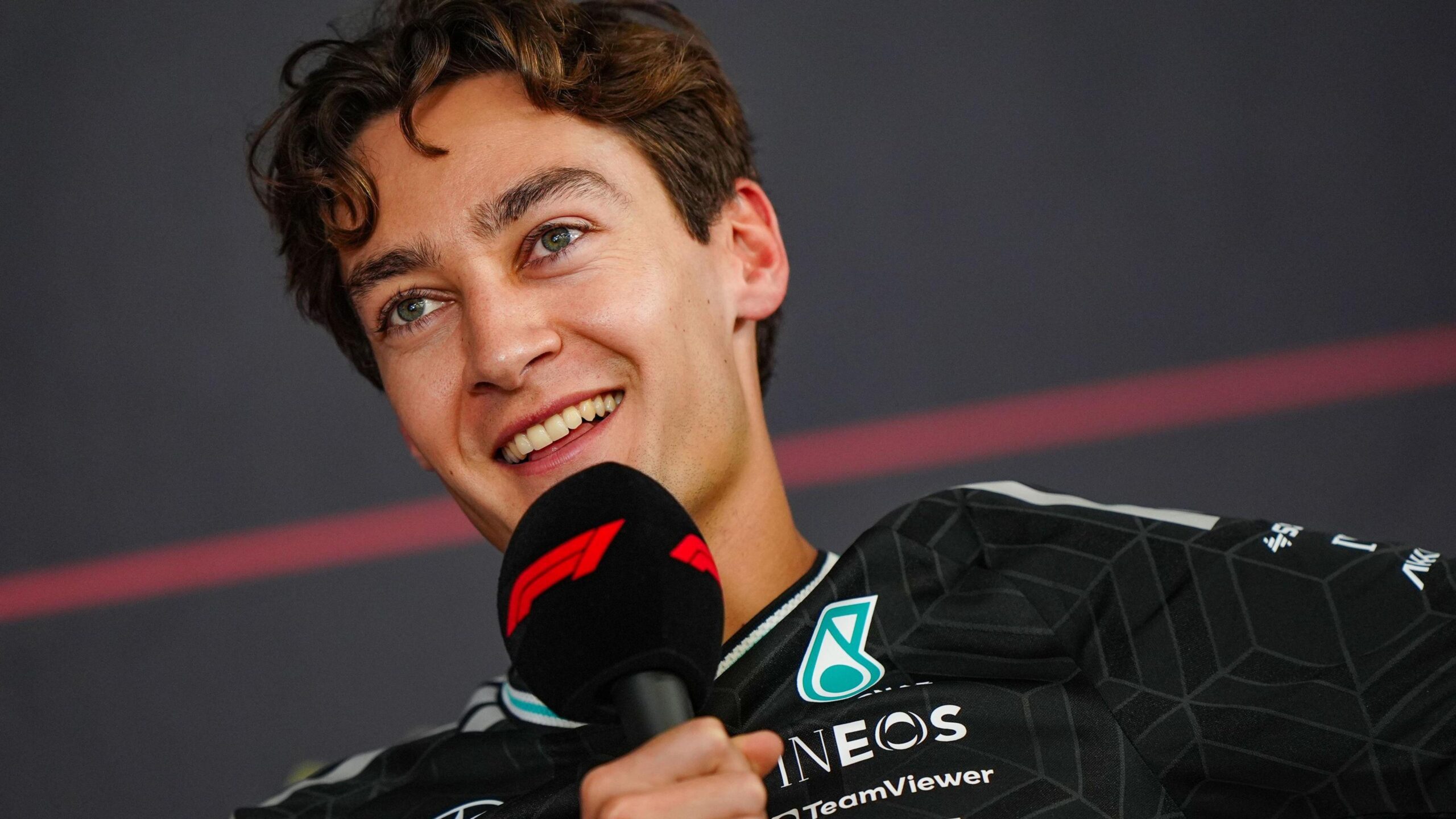
George Russell retires from the Canadian Grand Prix while leading, handing Mercedes teammate Kimi Antonelli a 43-point advantage and reshaping a title fight that still has 17 rounds to run.
Russell arrives in Montreal having trimmed the gap to 18 with a strong sprint, then delivers pole despite discomfort in the car. The platform is there to keep the pressure on.

That momentum ends with a power unit problem that forces retirement, flipping the narrative in an instant and emphasizing how reliability can dictate championship tempo as much as outright pace. The nature and timing echo the jeopardy of component allocation and race-day stress, as highlighted by Mercedes’ own account of the power unit failure.
Antonelli’s lead jumps to 43 points, but 17 races remain to swing the title picture again.
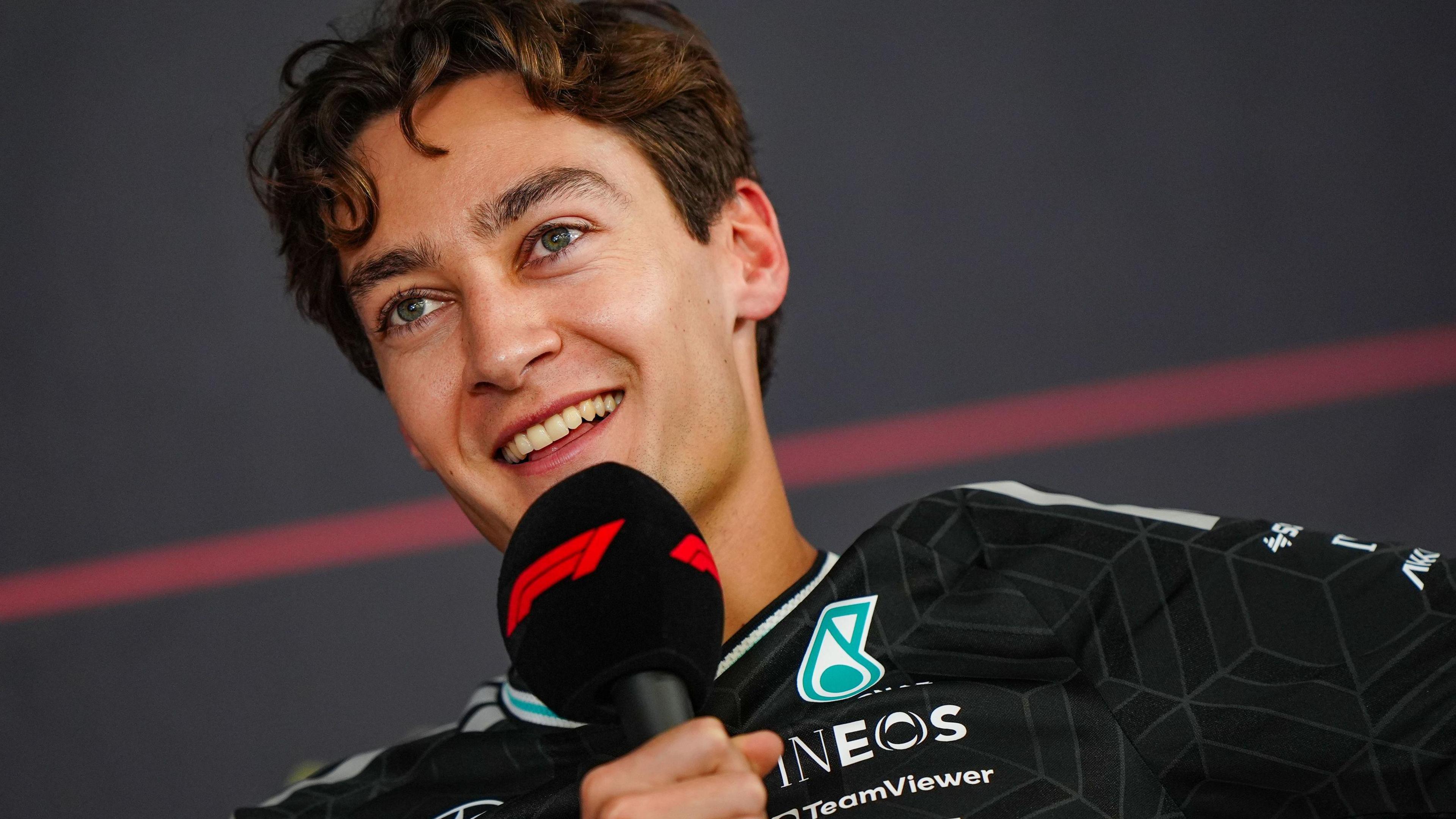
The deficit is significant, but the calendar offers recovery time. Points swings of this magnitude are feasible, particularly in a straight fight between teammates in the quickest car.
Russell’s weekend shows control under pressure. He extracts a lap for pole while not fully comfortable, then manages the race picture conservatively, a rational approach in a long campaign.
The sprint duel underscores contrasting temperaments. Russell stays measured in wheel-to-wheel phases, while Antonelli’s reactions run hotter, revealing where composure can still develop across a title push.
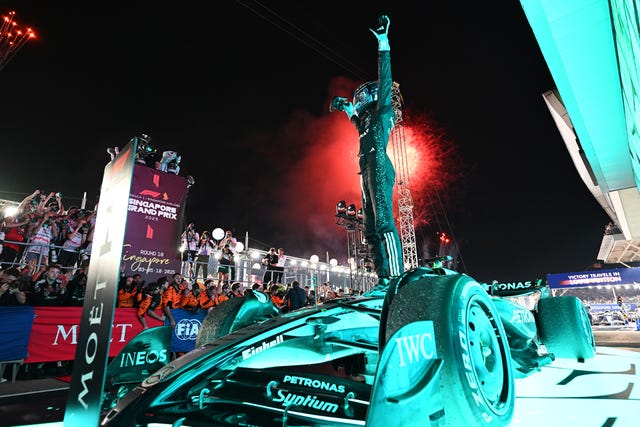
Mercedes manages the rivalry proactively, with Toto Wolff intervening early to prevent flashpoints.
Management from the pit wall matters. Toto Wolff’s swift involvement cools tensions and preserves operational harmony, consistent with a broader push for peace within Mercedes during a sustained intra-team fight.
On race day, Russell’s defense is robust yet clean, and his decision-making avoids low-percentage risks. Antonelli’s long-run speed is clear, but optimizing that pace with composure remains decisive.
Russell’s pole and race control reaffirm his status as Mercedes’ reference in pressure moments.
Reliability now shares top billing with performance. Mercedes must balance power unit stress across the remaining events, with strategic caution potentially dictating stint lengths and energy deployment windows.
The wider narrative is unchanged: Antonelli leads on points, but Russell carries experience and consistency. As the season unfolds, the pursuit dynamic will test Antonelli’s comfort under sustained pressure.
For Russell, the path back demands clean weekends and maximized scoring, but a resilient response can quickly compress the margin. It’s why the title fight is far from decided, even after Montreal’s sting.
Context matters, too. The Montreal result reaffirms how one failure can overturn gains made since the Canadian Grand Prix sprint, yet the same volatility can swing back if execution holds.
Visual Summary
Russell’s Title Hopes
Hit the Points Cliff
Hit the Points Cliff
From leading in Montreal to a devastating DNF, Russell goes from 18 to 43 points behind Antonelli. But with 17 rounds to go, the climb isn’t over—F1’s most intense teammate showdown is just heating up.

Daniel Miller reports on Formula 1 Grand Prix weekends with race-day analysis, team-radio highlights, and point-standings updates. He explains power-unit upgrades, aerodynamic developments, and driver rivalries in straightforward, SEO-friendly language for a global F1 audience.