https://shop.fervogear.com/cart

McLaren Fires Back After Bold Max Verstappen F1 Comments


Highlights
- McLaren’s Andrea Stella urges approval of 2027 power unit changes.
- Proposal shifts power split from 50/50 to 60/40 combustion to electric.
- Ferrari and Audi oppose; Mercedes, Red Bull, Honda support the change.
- Approval requires four of five manufacturers plus FIA and Formula 1 agreement.
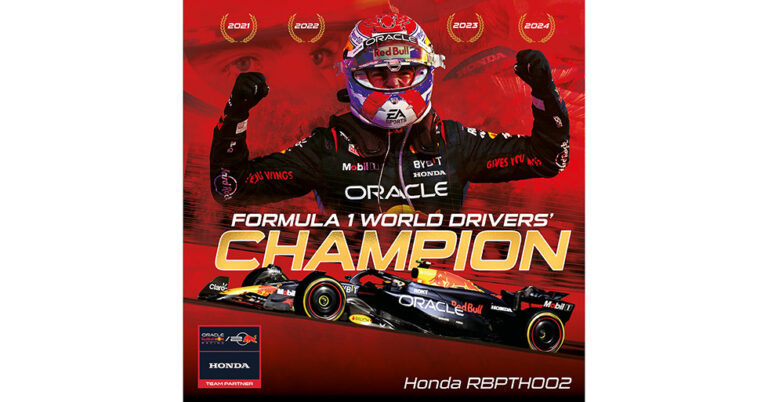
- Max Verstappen calls delay “mentally not doable” for championship clarity.
- Stella warns no change risks competitiveness and sport’s long-term value.
McLaren team principal Andrea Stella urges swift approval of 2027 power unit revisions, warning stalemate risks damaging competitiveness and the championship’s value as discussions intensify after Canada.
The FIA package shifts the energy split from 50/50 to 60/40 in favour of combustion, with broader ERS, fuel-flow and battery revisions intended to improve drivability and raceability.

Positions harden. Ferrari and Audi oppose. Mercedes HPP, Red Bull Powertrains, and Honda support. Ratification needs four of five manufacturers plus FIA and Formula 1 approval.

That super-majority hurdle complicates timing as power unit designs for 2027 near key decision gates and suppliers seek frozen specifications before expensive long-lead commitments.
Ratification requires four of five power unit manufacturers plus FIA and Formula 1 approval.
Speaking for the drivers, Max Verstappen voices impatience, calling the delay “mentally not doable,” arguing clarity is essential for championship planning at Red Bull.
“Mentally not doable” — Verstappen presses for certainty on 2027 power units.
Stella backs the direction, stressing hardware changes, not calibration tweaks. More combustion output via fuel flow, rebalanced harvesting and deployment, and larger batteries target efficiency and steadier power delivery.
The FIA package boosts ICE via fuel flow, rebalances ERS use, and expands battery capacity to stabilise performance.
He warns current hardware imposes limits. Without reform, deployment cliffs and heavy lift-and-coast could persist, hurting spectacle. Concerns escalated during the Canadian Grand Prix weekend.
Positions also mirror operational priorities. McLaren’s push follows scrutiny over execution, including a costly blunder, underscoring how regulatory headroom can buffer teams against narrow performance margins.
Governance now becomes decisive. The Power Unit Advisory Committee is expected to finalise recommendations soon, with programmes needing clarity to lock specifications and order tooling for 2027.
Until agreement emerges, uncertainty lingers. McLaren aligns with like‑minded suppliers, urging a package that safeguards competitive integrity, improves racing, and protects Formula 1’s long-term value.
Visual Summary
F1 Power Struggle: 60/40 Showdown
ICE 60%
ERS 40%
⚡
Internal Combustion
Electric Energy
Electric Energy
PUSHING FOR CHANGE
? ✅
McLaren
Mercedes HPP
Red Bull PT
Honda
Mercedes HPP
Red Bull PT
Honda
votes
needed: 4
needed: 4
BLOCKING CHANGE
⛔️✋
Ferrari
Audi
Audi
“Mentally not doable.”
– Max Verstappen, voicing driver frustration and urgency for resolution
Why It Matters:
- Hardware overhaul to unlock better racing
- Balance of power: ICE vs. Electric
- Supermajority vote needed—just 1 team can block
- High stakes for competitiveness and F1’s future
All eyes on the Power Unit Committee.
Can F1 shift up, or will gridlock stall the future?

Daniel Miller reports on Formula 1 Grand Prix weekends with race-day analysis, team-radio highlights, and point-standings updates. He explains power-unit upgrades, aerodynamic developments, and driver rivalries in straightforward, SEO-friendly language for a global F1 audience.