https://shop.fervogear.com/cart

Red Bull Hunts Definitive Win in Heated F1 Controversy

Highlights
- Red Bull demands final decision on 2027 power unit regulations
- Proposal suggests 60:40 combustion to electric power split
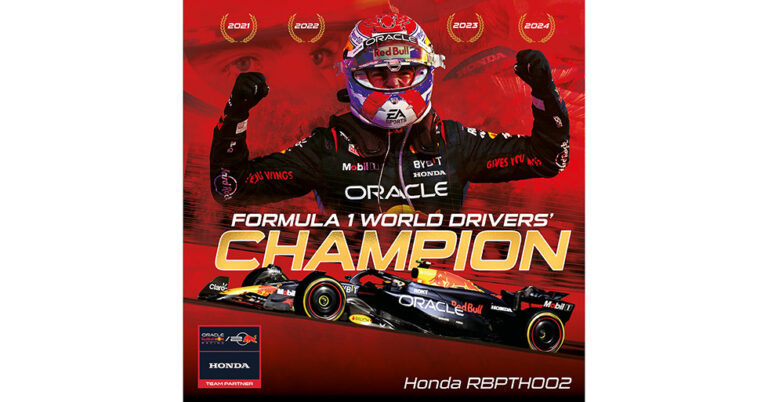
- Audi and Ferrari oppose, Red Bull, Honda, Mercedes support proposal
- Power Unit Advisory Committee needs supermajority to approve changes
- Laurent Mekies urges focus on sport improvement over rivalries
- Negotiations continue, resolution crucial before 2027 season start
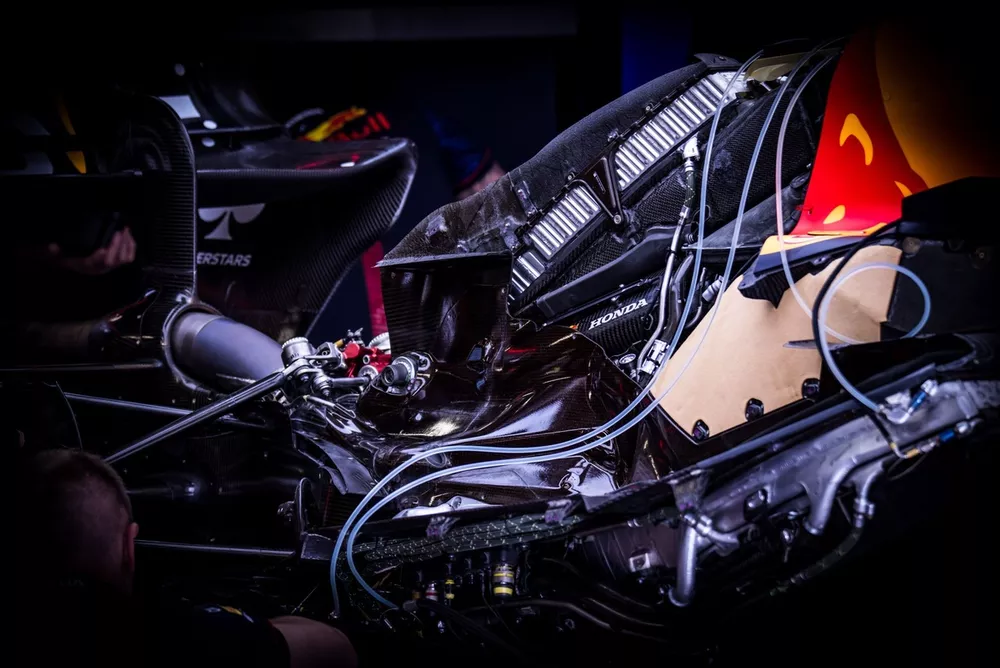
Red Bull Racing, via motorsport director Laurent Mekies, demands a definitive ruling on 2027 power unit splits after months of wrangling, seeking closure before designs and investments harden.
The framework targets a 50:50 combustion‑electric balance from 2027, revised from 80:20 in 2025, but energy-saving tactics like super‑clipping and lift‑and‑coast raise sporting integrity concerns.

Talks have coalesced around a 60:40 split favouring combustion. An agreement in principle emerged before Miami, yet resistance from Audi and Ferrari has stalled formal adoption.
The Power Unit Advisory Committee needs a supermajority: four of five manufacturers plus the FIA and Formula 1. With two dissenters, the threshold currently remains unmet.
PUAC changes require four of five manufacturers, plus FIA and F1, to pass.
Red Bull Powertrains, Honda, and Mercedes HPP back the change, arguing it curbs energy‑management artifices, improves drivability, and supports better racing without excessive lift‑and‑coast sequences.
Mekies urges consensus that prioritises the show over narrow advantage. He wants the topic settled, not recycled, to give engineers stable targets and fans clearer expectations.
“We should fix it once and for all.” — Laurent Mekies
A 60:40 allocation would reshape deployment strategies, cooling loads, and packaging. Gains could come from fuel efficiency and MGU‑K durability; misreads risk costly redesigns and compromised performance windows.
The debate also intersects with sustainability targets and new‑era branding. Teams need certainty to lock architectures, suppliers, and dyno programmes well before 2027 homologation.
Strong racing has masked some flaws, yet refinement is expected. That urgency aligns with Red Bull’s planning for its 2026 campaign and the demands created by Max Verstappen’s form.
Off‑track narratives, from a recent teammate crash to questions around engineering leadership, colour the backdrop but do not change the regulatory imperative.
Negotiations will continue over the coming months. A settlement that balances innovation, sustainability, and spectacle is needed before programmes commit to final 2027 specifications.
Decision window is critical to avoid late design pivots for 2027.
Visual Summary
?
Internal Combustion 60%
Internal Combustion 60%
Battery Electric 40%
?
?
?
Red Bull
Mercedes
Honda
Red Bull
Mercedes
Honda
⛔️
Audi
Ferrari
Audi
Ferrari
PUAC
Committee
Vote
Committee
Vote
4 of 5 must agree
+ FIA & F1
“Let’s fix it once & for all.”
—Laurent Mekies, Red Bull
—Laurent Mekies, Red Bull
? ➡️ ?
Red Bull wants F1’s next engine rules settled now—will rivals agree?

Daniel Miller reports on Formula 1 Grand Prix weekends with race-day analysis, team-radio highlights, and point-standings updates. He explains power-unit upgrades, aerodynamic developments, and driver rivalries in straightforward, SEO-friendly language for a global F1 audience.