https://shop.fervogear.com/cart

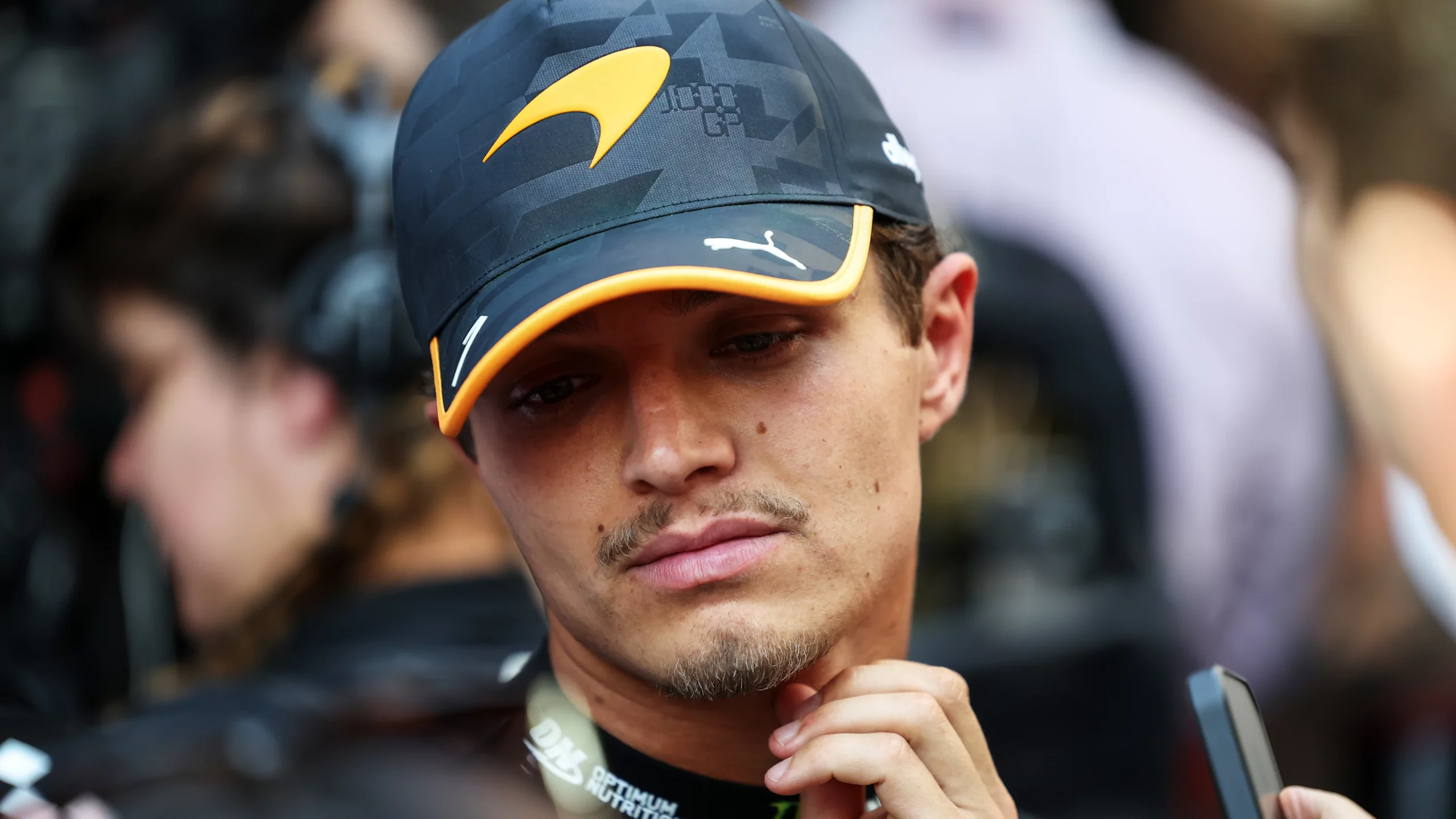
Lando Norris Explains Shocking Reason for Monaco Grand Prix Exit

Highlights
- Lando Norris retired at Monaco GP due to power unit failure.
- Norris started eighth but faced engine troubles early in race.
- Power unit issues worsened after failed mid-race fix attempts.
- This was Norris’s second consecutive power unit retirement.
- McLaren struggles with reliability issues during 2026 season persist.
- Team aims to improve power unit and avoid future failures.
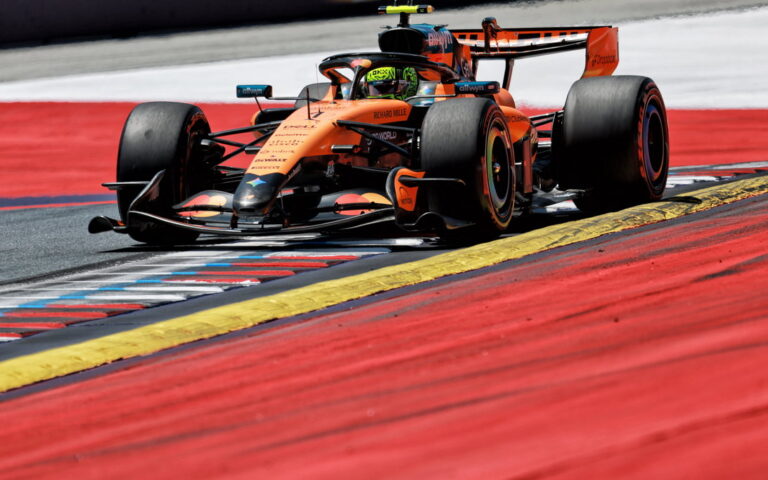
Lando Norris retires from the Monaco Grand Prix on lap 45 after a power unit failure, ending McLaren’s hopes from eighth on the grid.
Engine concerns surface immediately, as Norris runs behind Pierre Gasly in the opening stint, before symptoms escalate with limited warning.

McLaren attempts mid-race resets and mode changes, but the interventions worsen the problem. The team reverts settings, while unusual engine, turbo, and battery noises persist.
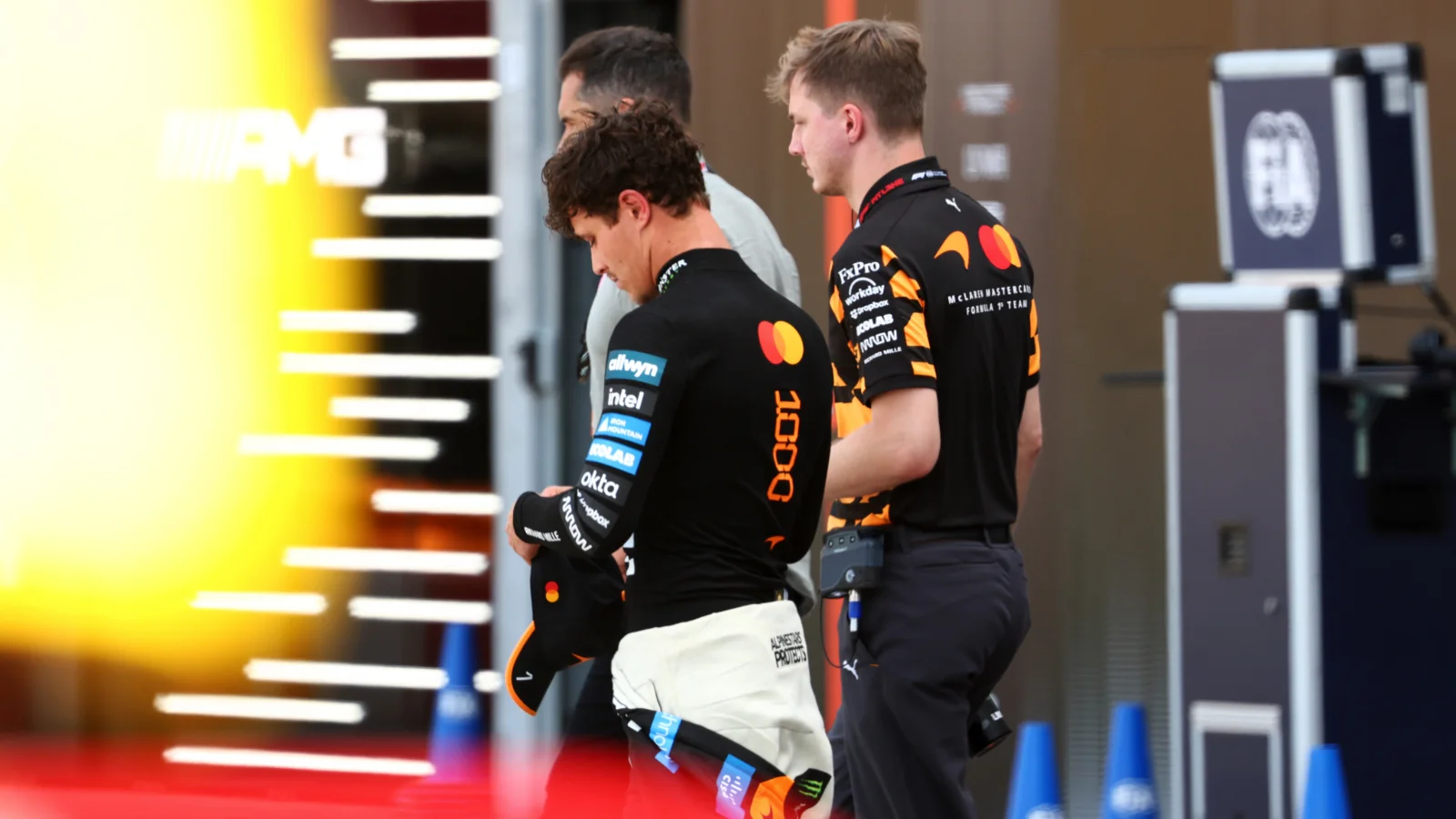
The DNF follows his Canadian Grand Prix retirement, again attributed to power unit trouble, underlining an emerging pattern.
This is Norris’s second consecutive retirement caused by power unit failures.
Back-to-back failures deepen McLaren’s 2026 reliability concerns, costing points and undermining momentum in both driver and constructors’ battles.
Balancing performance and durability is delicate, given component allocation limits. Extra changes risk penalties and compromise preparation across subsequent weekends.
McLaren’s mid-race resets worsened the problem before reverting to original settings.
Norris stresses alignment with development, as McLaren prioritizes durability gains without sacrificing pace. His broader season outlook is explored in a reality check, while a detailed Monaco GP report sets the weekend context.
Monaco magnifies any deficit. Track position dominates strategy, so running behind Gasly compressed options once issues began, compounding what had already become a pre-race Monaco setback for McLaren.
Norris started eighth and retired on lap 45 at Monaco.
Root-cause work will target power unit subsystems, calibration, and cooling interactions, aiming to deliver a stable baseline and avoid recurrence at upcoming rounds.
Converting qualifying potential into race results now depends on eradicating failures while sustaining competitive pace. The priority is clear: keep the car reliable, then exploit performance.
“`html
Visual Summary
?
Power Unit Failure — Norris’s Monaco Suddenly Over
P8
Qualifying
Lap 45
Retired
2x
Consecutive DNF
“It came on suddenly—the noises, the loss—all I could do was bring it home.”
— Lando Norris
“`
**Creative Rationale:**
**Hero Element:** Cracked Monaco circuit (where Norris’s McLaren “breaks” with visible smoke and power flicker at the DNF point).
**Emotion:** Sudden frustration, technical heartbreak—that “pulse” of hope fading.
**Color Palette:** McLaren orange (#FF9500), Power-failure red (#E53935), Soft greys #ccc/#bbb.
**Motion:** Animated smoke and flickering power bolt to visually communicate power loss—reinforced by a “pulse” meter bar illustrating engine trouble.
**Key Facts:** Position, Lap, DNF streak—delivered in a punchy, grid-based data callout for instant grasp.
**White Background:** Pure and modern, all visuals and colors float above, zero background noise.
**Hierarchy:** Monaco circuit crash is the attention-grabber; all else steps down in size and color.
**Emotion/Clarity:** Anyone, at a glance, “feels” the sudden failure and understands Norris’s race heartbreak.

Daniel Miller reports on Formula 1 Grand Prix weekends with race-day analysis, team-radio highlights, and point-standings updates. He explains power-unit upgrades, aerodynamic developments, and driver rivalries in straightforward, SEO-friendly language for a global F1 audience.
Related FervoGear guide: custom race suits built for driver protection, custom fit, and sponsor-ready design.