https://shop.fervogear.com/cart

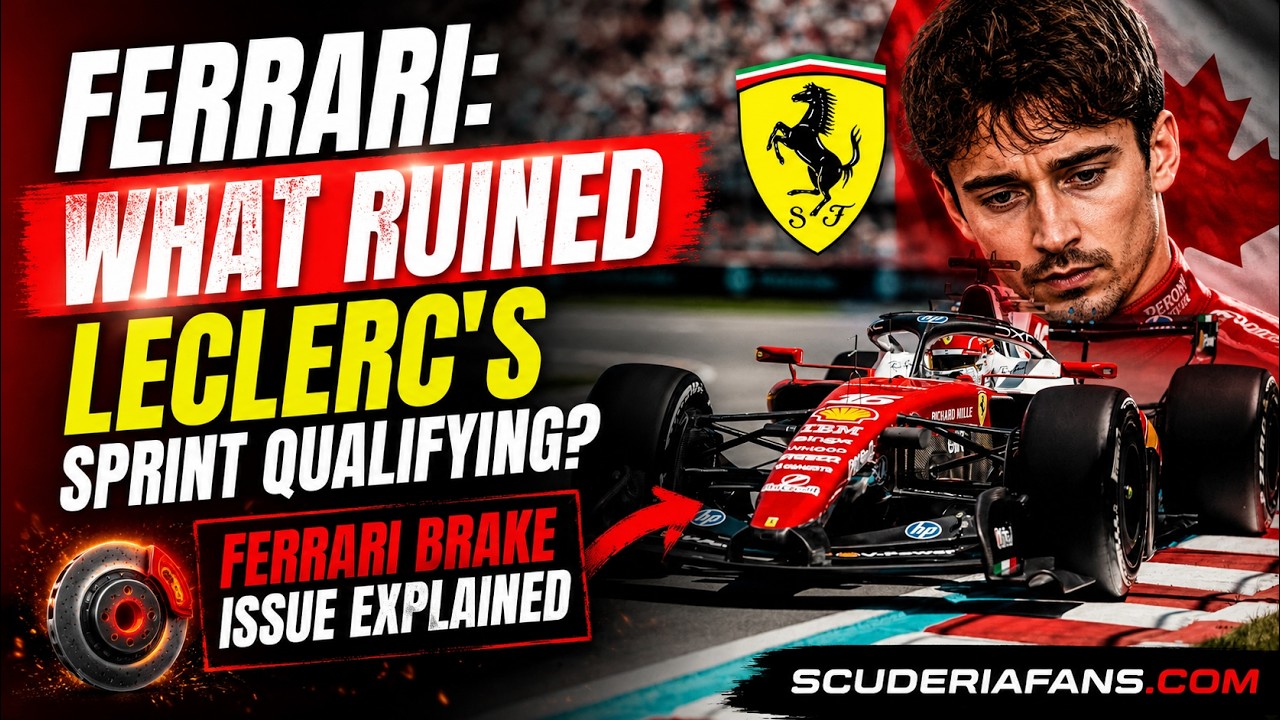
The Real Reason Behind Leclerc’s F1 Braking Struggles

Highlights
- Leclerc crashed at 2026 Monaco GP after safety car restart.
- Leclerc claimed three of four brakes failed during incident.
- Brembo cautioned against early technical conclusions on brake issues.
- New 2026 F1 rules cause rear brakes to run too cold.
- Ferrari plans brake setup change similar to Hamilton’s for fixes.
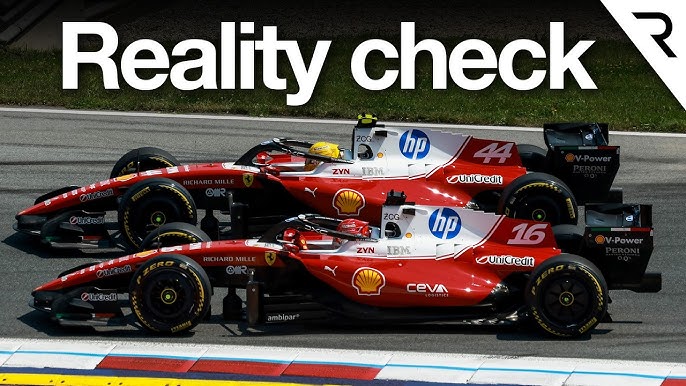
Charles Leclerc’s 2026 Monaco Grand Prix ends at the final corner after a safety-car restart. The Ferrari driver loses control and hits the barriers.
He blames a brake problem, saying only one of four brakes works correctly. Supplier Brembo publicly urges caution, insisting conclusions await full data analysis.

Team data indicates no rear-axle deceleration, as if the rear brakes are absent. Initial evidence points to temperature, not a sudden mechanical breakage.
Following the safety car, the brakes cool excessively and never recover for the restart. The new 2026 technical regulations intensify this risk.
Greater energy harvesting reduces rear brake use. With lighter, slower cars, average brake energy drops by around 20%, pushing discs below optimal temperatures, especially at Monaco.
Leclerc reports the front-left works, the front-right is partial, and both rears are “completely ineffective.”
Brembo CEO Mario Almondo warns earlier this year about unpredictable behavior when carbon brakes run too cold. Carbon materials demand a precise operating window.
Monaco’s short bursts and heavy regeneration amplify the challenge. Yet Brembo supplies five teams, and only Leclerc suffers this extreme issue in Monaco and Canada.
That points to Ferrari’s setup and driver technique as key variables. It aligns with Leclerc’s admission that cold conditions create a braking “nightmare.” Coverage of Leclerc’s Monaco crash details the pattern.
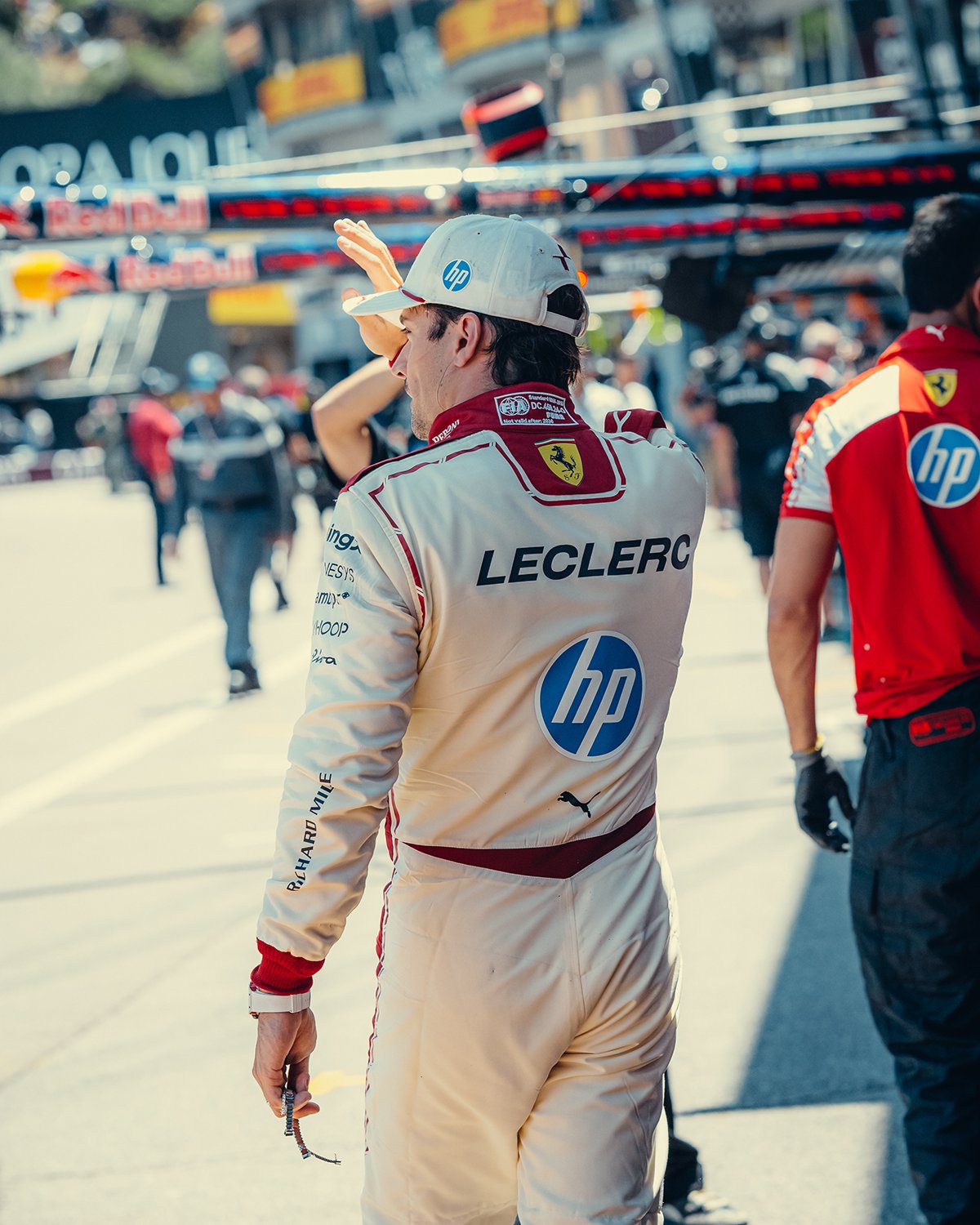
Leclerc brakes less aggressively than teammate Lewis Hamilton, slowing heat build-up. Teams also diverge on rear disc size to manage temperature stability.
New energy rules cut average brake energy by roughly 20%, leaving rear discs vulnerable to under-temperature operation.
Smaller discs heat faster and can hold temperature on low-energy tracks. Ferrari is believed to favor larger hardware, which may struggle at Monaco-type venues.
Leclerc indicates a fix is close. Ferrari plans a Hamilton-style setup, mirroring his switch to a Carbone Industrie disc with a stronger initial bite.
Ferrari plans a Hamilton-style brake setup to stabilize rear temperatures in critical phases.
That move is about characteristics, not brand hierarchy. Brembo offers progressive feel; Carbone Industrie bites harder and suits aggressive pedal application.
Success hinges on integrating hardware choice with energy recovery maps and driver technique. The goal is predictable rear support through restarts and out-laps.
Resolve the inconsistency, and Ferrari unlocks race-day confidence. Leave it unresolved, and repeat incidents risk points and safety concerns in cooler conditions.
Ferrari’s response, and any ongoing developments, will define its adaptability to an era where regeneration reshapes braking dynamics.
Visual Summary
?
?
⚪
⚪
16
3 Out of 4 Brakes Failed ?
Leclerc’s Ferrari couldn’t stop at the decisive Monaco restart—
Only one brake was fully working.
?
Rear Brake Temp
⚡
2026 Tech Rules:
More energy recovery = colder brakes
2026 Tech Rules:
More energy recovery = colder brakes
Reduced rear brake use makes discs cold ❄️
— perfect storm for brake failure at slow, twisty Monaco.
Leclerc said: “It was a nightmare.”
— perfect storm for brake failure at slow, twisty Monaco.
Leclerc said: “It was a nightmare.”
Ferrari vs Brembo
Both sides surprised
by this dramatic failure!
by this dramatic failure!
Leclerc
Gentle braking
Gentle braking
?➖
??
Hamilton
Aggressive braking
Aggressive braking
Brake setup & driving style = heat or ❄️
New F1 tech rules have changed how cars slow down. Leclerc’s painful Monaco crash is a wake-up call:
Master brake temperatures, or risk disaster.

Daniel Miller reports on Formula 1 Grand Prix weekends with race-day analysis, team-radio highlights, and point-standings updates. He explains power-unit upgrades, aerodynamic developments, and driver rivalries in straightforward, SEO-friendly language for a global F1 audience.
Related FervoGear guide: custom race suits built for driver protection, custom fit, and sponsor-ready design.