https://shop.fervogear.com/cart

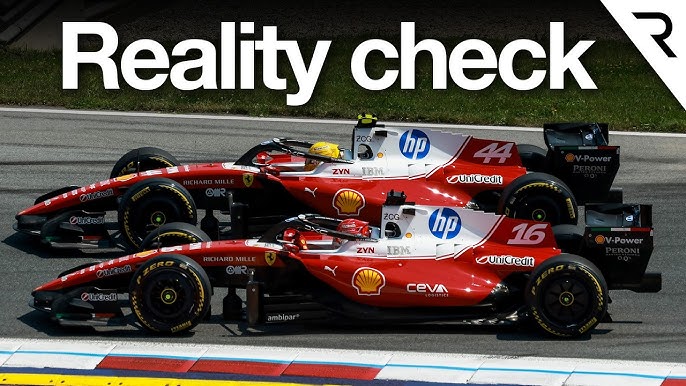
Angry Charles Leclerc Rejects Game-Changing Hamilton Winning Move


Highlights
- Leclerc crashed at Monaco due to brake system failure.
- Rear brakes were too cold, causing poor deceleration.
- Ferrari plans brake fix with Carbone Industrie for Barcelona.
- Hamilton used updated brakes, avoiding the same issues.
- FIA’s energy recovery limits reduced brake temperatures at Monaco.
- Brembo to collaborate with Ferrari for problem analysis.
Charles Leclerc’s Monaco crash becomes weekend’s defining moment, after his Ferrari SF-26 hits the barriers following a safety car restart. He blames compromised brakes, questioning Ferrari’s decision-making and component choice.
Leclerc reports three of four brakes fail to bite, producing deceleration. Post-event analysis identifies under-temperature rear brakes and a partly cold right-front, triggering the lock-up sequence that sends him off.

The underlying picture links braking temperatures to power-unit harvesting. With MGU-K-only recovery under 2026 rules, FIA-imposed output limits in Monaco reduce regeneration, easing rear-brake workload and letting temperatures fall.
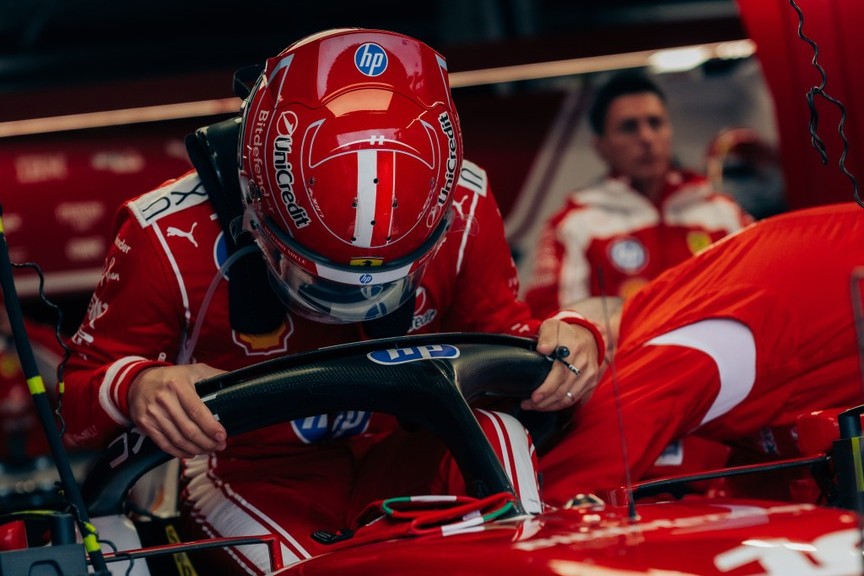
Compounding Monaco’s slow-speed profile, fewer long straights restrict warming opportunities. Ferrari accepts the mechanism but faces scrutiny after Leclerc labels the situation unacceptable, given a known mitigation was already prepared.
That mitigation uses different discs and pads, the Carbone Industrie components, expected to broaden the working window. Leclerc deferred adoption until Barcelona, while Hamilton has used them since Miami.
Hamilton reports no comparable issues, hinting the alternative material maintains friction across a wider temperature range. Technical voices suggest this explains the intra-team divergence, despite Ferrari avoiding formal confirmation.
Leclerc called the situation “unacceptable” after reporting three of four brakes failed to bite properly.
Brembo, a long-time Ferrari partner, responds swiftly to Leclerc’s criticism. It stresses cooperation and broad motorsport involvement across its group, and commits to detailed data analysis to pinpoint failure triggers.
The episode exposes how operational choices interact with regulation. With FIA limits in Monaco, Ferrari must align MGU-K harvesting, brake ducts, and materials to keep temperatures stable through braking phases.
Ferrari plans to validate the Carbone Industrie package at Barcelona after delaying its use in Monaco.
Barcelona offers a clearer proving ground. Longer braking zones and sustained load should validate the package and help calibrate recovery maps under same constraints applied on the Monte Carlo weekend.
The intra-team comparison sharpens scrutiny. Hamilton’s consistency contrasts with Leclerc’s setback, reviving debate about update parity and timing as Ferrari targets predictable behaviour from the SF-26 across conditions.
Brembo and Ferrari will interrogate traces and temperatures to prevent a repeat of Monaco’s failure mode.
Strategy remains delicate at Monaco, where small shifts create outsized consequences. Brake windows, duct tuning, and K deployment interact tightly, leaving minimal margin when components stray outside optimal temperatures.
The broader narrative also touches Hamilton’s trajectory with Ferrari. His Monaco objectives framed a steady approach, while the Leclerc incident adds texture to their evolving competitive dynamic this season.
Expect attention on whether both cars converge on specification in Spain, and whether Leclerc restores confidence under braking. Resolve this, and Ferrari restores a crucial foundation for its campaign.
The Hamilton–Leclerc head-to-head remains compelling, especially after their Monaco battle. Addressing brake stability could decide which driver shapes Ferrari’s near-term momentum in the title fight.
Visual Summary
NO
BRAKES!
BRAKES!
Leclerc’s Monaco hopes shattered as brake failure launches him into the barriers.
?
Rear Brakes
Front Right
Front Left
?
Brake heat profile at crash: Cold rear & fading front → No deceleration!
3/4
Brakes failed
in an instant
in an instant
0
Deceleration
at crunch moment
at crunch moment
?
New brake
fix delayed
fix delayed
Will Leclerc & Ferrari
finally stop
the
brake drama
in Barcelona?
finally stop
the
brake drama
in Barcelona?
?
Leclerc
vs
⬛️
Hamilton
Leclerc
vs
⬛️
Hamilton

Daniel Miller reports on Formula 1 Grand Prix weekends with race-day analysis, team-radio highlights, and point-standings updates. He explains power-unit upgrades, aerodynamic developments, and driver rivalries in straightforward, SEO-friendly language for a global F1 audience.
Related FervoGear guide: custom race suits built for driver protection, custom fit, and sponsor-ready design.