https://shop.fervogear.com/cart

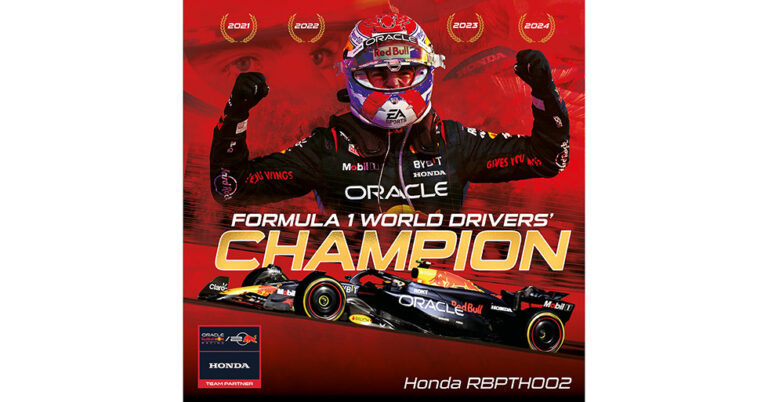
Max Verstappen Stands Out In Key Barcelona GP Area

Highlights
- Max Verstappen starts fifth with limited hard tyre sets.
- Competitors George Russell and Lewis Hamilton have two hard sets.
- Pirelli recommends two-stop strategy for fastest race time.
- Barcelona’s high temperatures cause significant tyre wear.
- Verstappen’s tyre disadvantage may affect race pace and challenge.
- Race scheduled for 66 laps; tyre management critical.
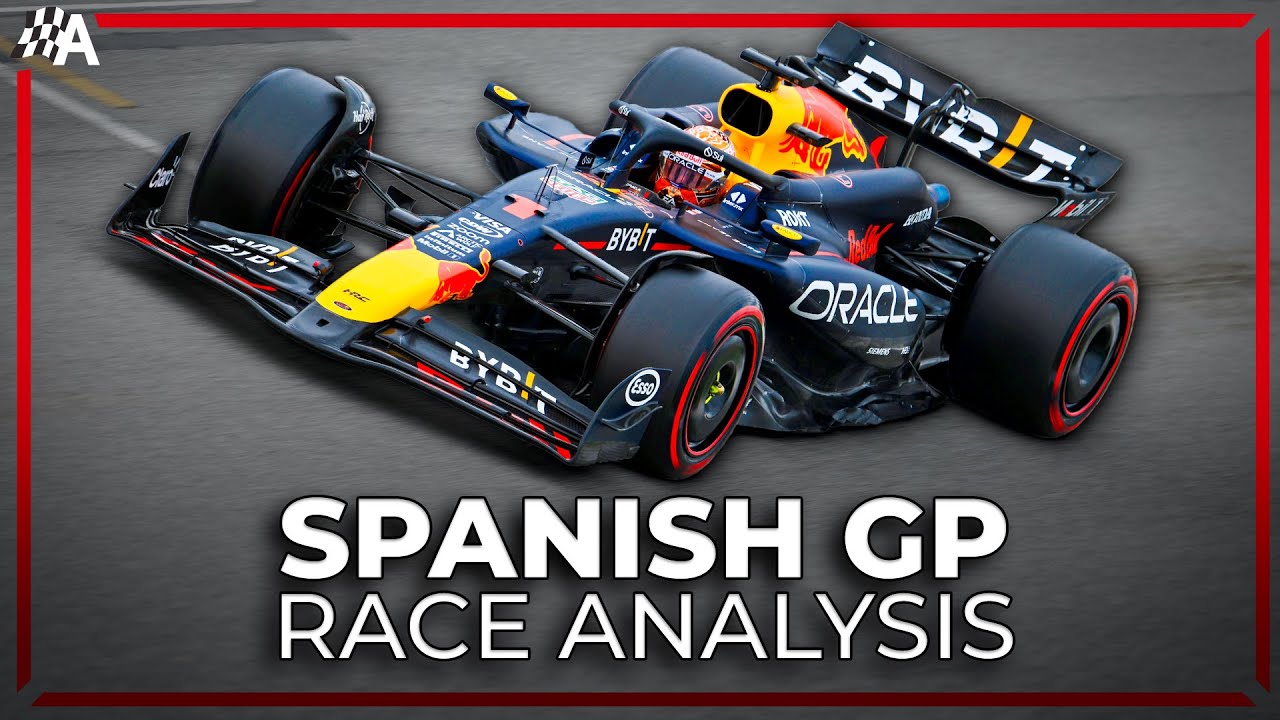
Max Verstappen faces a strategic headwind at Barcelona-Catalunya on Sunday, starting fifth, after Pirelli’s latest tyre strategy forecast highlighted a compound shortfall.
Red Bull’s champion holds one hard set and two mediums. Rivals George Russell and Lewis Hamilton, starting ahead, retain two fresh hards, widening strategic flexibility.

One hard was used on Friday, compounding the issue. Barcelona’s fast, high-energy corners and forecast heat typically drive heavy degradation and significant tyre wear.
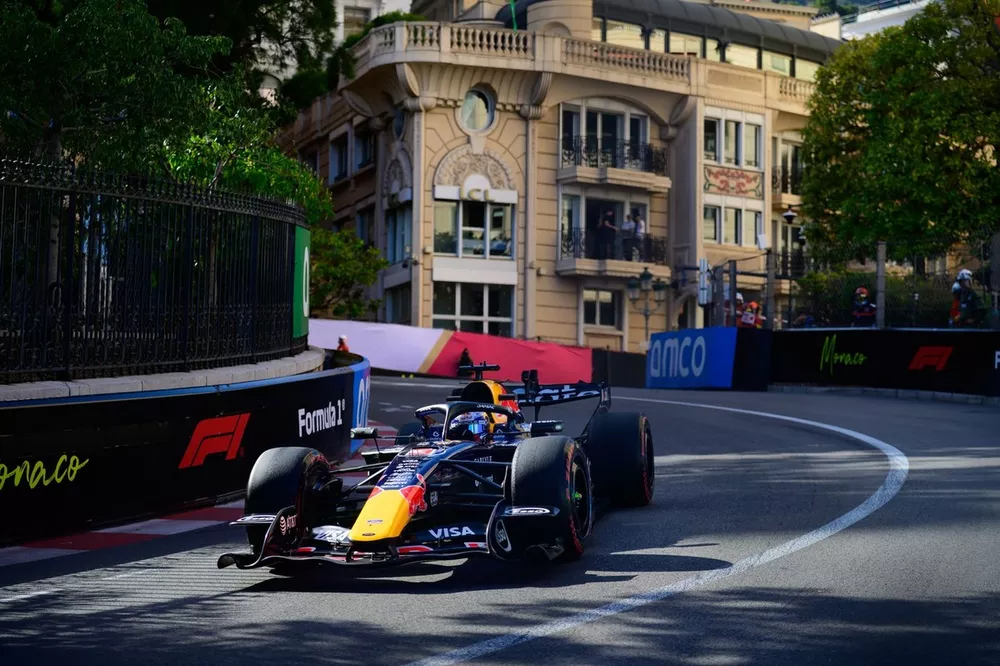
Pirelli models the fastest race as a two-stop. Start on mediums, pit for hards around laps 15–21, then stop again between laps 38–44 for the run home.
That plan assumes two competitive hard sets. With only one, Verstappen may target medium–hard–medium or medium–medium–hard, risking higher temperatures and weaker late-race pace.
Verstappen has one hard set; Mercedes drivers hold two fresh hards, shaping the pit windows.
Mixed compounds tighten pit windows. Barcelona’s pit loss is sizable, so undercut potency hinges on out-lap warm-up, traffic risk, and how quickly mediums shed surface grip.
Track position remains pivotal. Passing is difficult even with DRS, nudging Red Bull toward aggressive undercuts rather than long offsets that expose the mediums.
Mercedes can mirror the ideal medium–hard–hard, then pivot if degradation spikes. That optionality underpins Mercedes’ strategy options and strengthens defence against an undercutting Red Bull.
Pirelli also sketches a three-stop using softs. The leaders lack the soft allocation, so that route likely sits with midfielders prepared to trade stops for clean air.
Pirelli’s optimum assumes two hard stints; Verstappen’s allocation complicates that model.
The race runs 66 laps, so stint deltas will compound. Safety cars near the first window help mixed plans, while late neutralisations reward teams holding spare hards.
Away from tyres, George Russell continues a period of introspection over execution, while Lewis Hamilton drew headlines after discussing significant FIA announcements.
The front row contrasts with Verstappen’s narrower options. The starting order magnifies the need for early gains without spiking tyre temperatures and energy through long corners.
Undercut strength at Barcelona could decide Verstappen’s race more than raw pace.
Red Bull’s cleanest route is a sharp first stint on mediums, an early hard for track position, then a disciplined, lift-and-coast final medium stint.
If degradation overshoots forecasts, a late used-hard cameo may appear, but performance drop-off could erase gains from the extra stop.
Probability still favours Mercedes controlling the chessboard. Verstappen likely needs a superior undercut, clear air, and minimal traffic time to overturn the compound deficit.
Visual Summary
Tyre Tactics: Verstappen’s Uphill Battle in Barcelona
?
Verstappen
1 Hard, 2 Medium
tyre sets left
≠ Limited options!
Verstappen
1 Hard, 2 Medium
tyre sets left
≠ Limited options!
??
Russell & Hamilton
2 Fresh Hard
tyre sets
Strategic edge
Russell & Hamilton
2 Fresh Hard
tyre sets
Strategic edge
?
Pirelli Predicts
2 Stops:
Medium → Hard → Hard
(Lap 15-21/38-44)
66 laps ?
Pirelli Predicts
2 Stops:
Medium → Hard → Hard
(Lap 15-21/38-44)
66 laps ?
Verstappen is the odd one out on tyres—can he climb the Barcelona mountain with fewer moves?

Daniel Miller reports on Formula 1 Grand Prix weekends with race-day analysis, team-radio highlights, and point-standings updates. He explains power-unit upgrades, aerodynamic developments, and driver rivalries in straightforward, SEO-friendly language for a global F1 audience.
Related FervoGear guide: custom race suits built for driver protection, custom fit, and sponsor-ready design.