https://shop.fervogear.com/cart

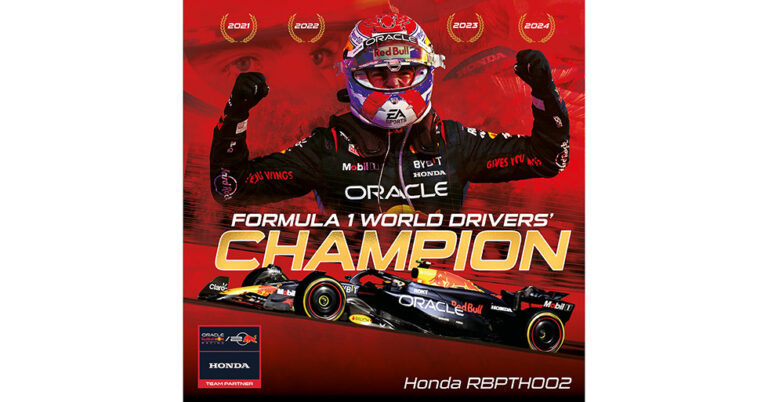
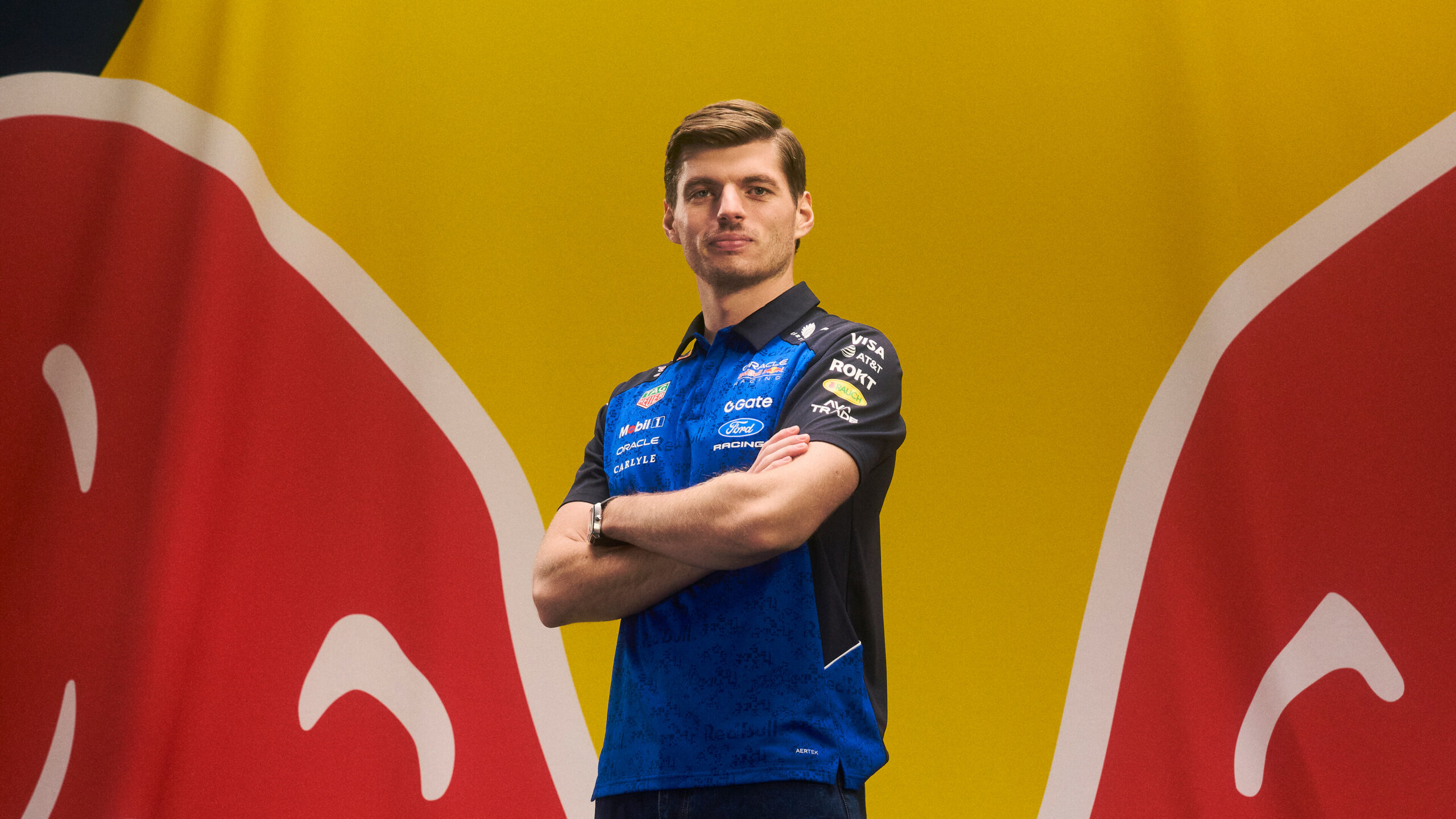
Max Verstappen Reveals Key F1 and FIA Trait Driving Vital Talks

Highlights
- Max Verstappen praised F1 and FIA’s openness on future regulations
- Power output split shifting to 60:40 favoring ICE by 2028
- Rule changes reduce super-clipping and adjust lift and coast techniques
- Verstappen involved in meetings with FOM and FIA early this year
- Lewis Hamilton’s Ferrari win highlights ongoing Mercedes reliability issues
- F1 calendar remains packed with major events for 2026 season
Max Verstappen praises Formula 1 and the FIA for openness on future rules, a shift from earlier criticism of 2026 power units and suggestions he might quit if ignored.
Progress follows tweaks before Miami to curb super‑clipping and moderate lift‑and‑coast. The current 50:50 ICE‑electric split shifts in 2027 with higher fuel‑flow and targets a 60:40 ICE bias by 2028.

Verstappen notes driver influence grows with success, yet credits FOM and FIA for inviting robust feedback. He argues collaborative debate produces regulations that enhance racing and competitive integrity.
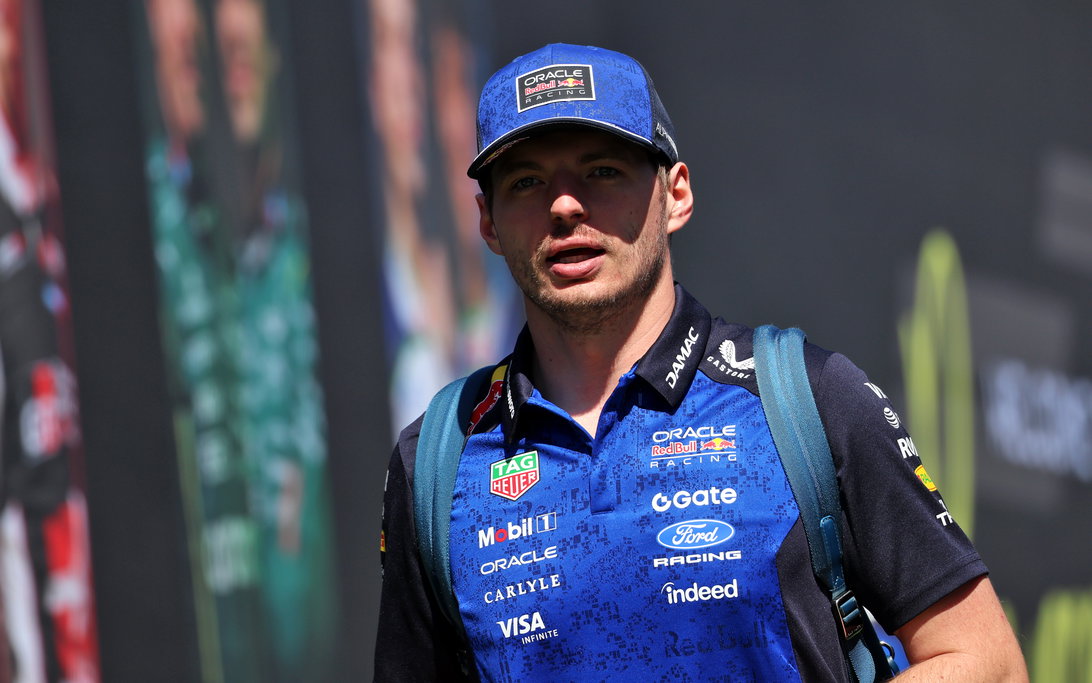
Power output is set to move toward a 60:40 ICE bias by 2028 after interim fuel‑flow increases in 2027.
The process includes multiple early‑season meetings with FOM and dedicated FIA sessions, where drivers discussed energy deployment windows, clipping thresholds, and fuel‑flow targets, as outlined in recent FOM–FIA briefings.
Reducing super‑clipping should smooth race‑pace consistency and lessen extreme battery depletion spikes. Less severe lift‑and‑coast broadens strategic options and may improve followability by stabilizing corner‑entry balance.
Pre‑Miami adjustments targeted super‑clipping and lift‑and‑coast to make energy deployment more raceable.
Manufacturers now calibrate 2026 concepts around greater ICE contribution, mitigating ERS harvesting limits. That influences packaging, cooling, and aero efficiency, factors central to Verstappen’s year, per season‑defining considerations.
Recent results frame the competitive picture. Lewis Hamilton’s first Ferrari win highlights promise at Maranello, while Mercedes’ reliability setbacks persist, as explored in analysis of Mercedes’ issues.
“When the sport listens, the right decisions follow,” Verstappen says, stressing driver input as regulations evolve.
Drivers like George Russell stress decisive overtakes to preserve track position under evolving deployment rules, a theme echoed in the wider title narrative and Verstappen–Hamilton racecraft debates.
With a packed 2026 calendar, adaptation speed becomes decisive. Teams refine simulation and correlation to exploit the rule set, aiming for a stronger racing product and tighter competitive spread.
Visual Summary
?️
Let’s make the rules better!
Let’s make the rules better!
?️
We’re listening, Max.
We’re listening, Max.
Constructive Talks
Engine Power Balance: Changing Gears
2026
50:50
➡️
By 2028:
By 2028:
2028
60:40
Max Verstappen
used his championship voice to steer F1’s rulebook—
now, thanks to open talks with the FIA and FOM, technical changes are coming.
The sport is evolving together, with drivers, teams, and fans all helping shape the future.
used his championship voice to steer F1’s rulebook—
now, thanks to open talks with the FIA and FOM, technical changes are coming.
The sport is evolving together, with drivers, teams, and fans all helping shape the future.
Future in Motion

Daniel Miller reports on Formula 1 Grand Prix weekends with race-day analysis, team-radio highlights, and point-standings updates. He explains power-unit upgrades, aerodynamic developments, and driver rivalries in straightforward, SEO-friendly language for a global F1 audience.
Related FervoGear guide: custom race suits built for driver protection, custom fit, and sponsor-ready design.