https://shop.fervogear.com/cart
F1 Driver Crashes Dramatically Seconds After First Grand Prix Victory

Highlights
- 1975 Austrian GP stopped early after 29 laps due to bad weather.
- Vittorio Brambilla won in wet conditions, crashing post-finish line.
- Race delayed 45 minutes due to heavy rain and poor visibility.
- Mark Donohue and a marshal died during practice session.
- Brambilla earned half points as race ended before full distance.
- F1 returns to Österreichring in 2026, recalling this historic race.
The 1975 Austrian Grand Prix at the Österreichring ends unusually, as Vittorio Brambilla wins and then crashes after the flag amid extreme rain, prompting an early stoppage and half points.
A 45‑minute delay precedes the start, teams commit to wets, and visibility deteriorates immediately. As flagged in the F1 Austria weather warning, persistent rain compounds risk on high-speed sections.

The weekend turns sombre. Mark Donohue sustains fatal injuries in practice, and a marshal is killed by debris, sharpening scrutiny on circuit safety and medical response protocols.
Practice incidents claim Mark Donohue’s life and a marshal’s, casting a shadow over the event.
In racing trim, Vittorio Brambilla excels in the March 751. His wet‑weather car control and confidence lift him through the pack as conditions worsen and grip windows narrow.
He overhauls James Hunt mid‑race, when tyre pressures, tread temperatures, and visibility management decide pace. March’s calls are decisive while rivals struggle to keep wet tyres alive.
With thunderstorms overhead, team managers lobby to stop the race. After 29 of 54 laps, officials halt proceedings, locking the order with Brambilla leading Hunt by 27 seconds.
The red flag after 29 laps triggers half points for the field under the regulations.
Brambilla celebrates across the line, raises both hands, then aquaplanes on the pit straight. The March snaps sideways into the barriers, damaging the nose but remaining mobile.
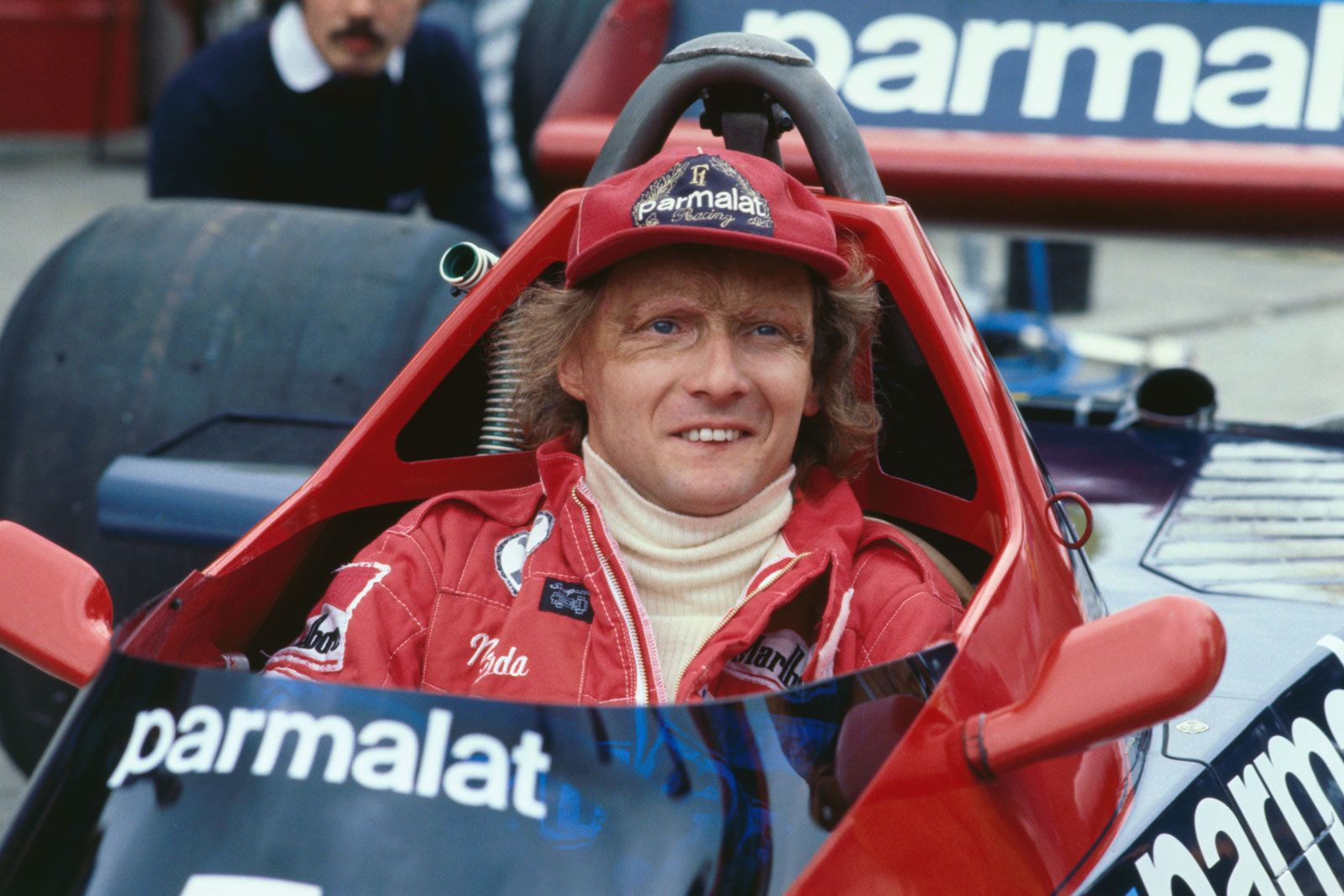
He continues a ragged victory tour with mangled bodywork. It is his first and only F1 win, worth 4.5 points under the regulations for sub‑distance classifications.
Vittorio Brambilla’s only F1 victory yields 4.5 points, not nine, due to the shortened distance.
For March, the victory underscores execution in chaos: timely tyre calls, disciplined pace, and acceptance that track evolution is negative. Others gamble, but visibility makes recovery impossible.
The race’s legacy sits within F1’s safety and governance arc. Today’s protocols around extreme weather, restarts, and medical response reflect lessons that echo into the Red Bull Austrian GP era.
As F1 returns to Austria in 2026, the 1975 outcome remains a cautionary benchmark, threaded through the championship’s storylines and the F1 driver title timeline.
Visual Summary
Finish!
9
?
Brambilla celebrates his first F1 win
⚡
?
…slips & crashes in the spray
?️
Downpour Drama
Race start delayed 45min, thunder rolls, standing water everywhere.
?️
Somber Grid
Practice fatality: Mark Donohue & a marshal lost
➗
Shortened Race
Red-flag after 29/54 laps: only 4.5 points for win
From Triumph to Tumult in Under 5 Seconds
“[Brambilla] raised both hands over the line—then immediately lost control and smashed the front of his car. It was joy, then chaos, in a single breath.”
Brambilla’s advantage at red flag
This race became legend for a reason.
The 1975 Austrian GP is motorsport’s ultimate “blink-and-you’ll-miss-it” story:
— a rain-soaked triumph, then instant calamity, all before the grandstands.
As Formula 1 returns to Austria, the ghost of that wild finish still lingers in the spray.
— a rain-soaked triumph, then instant calamity, all before the grandstands.
As Formula 1 returns to Austria, the ghost of that wild finish still lingers in the spray.

Daniel Miller reports on Formula 1 Grand Prix weekends with race-day analysis, team-radio highlights, and point-standings updates. He explains power-unit upgrades, aerodynamic developments, and driver rivalries in straightforward, SEO-friendly language for a global F1 audience.
Related FervoGear guide: custom race suits built for driver protection, custom fit, and sponsor-ready design.