https://shop.fervogear.com/cart

Meet the F1 Rookies Racing in Austrian GP FP1 Action

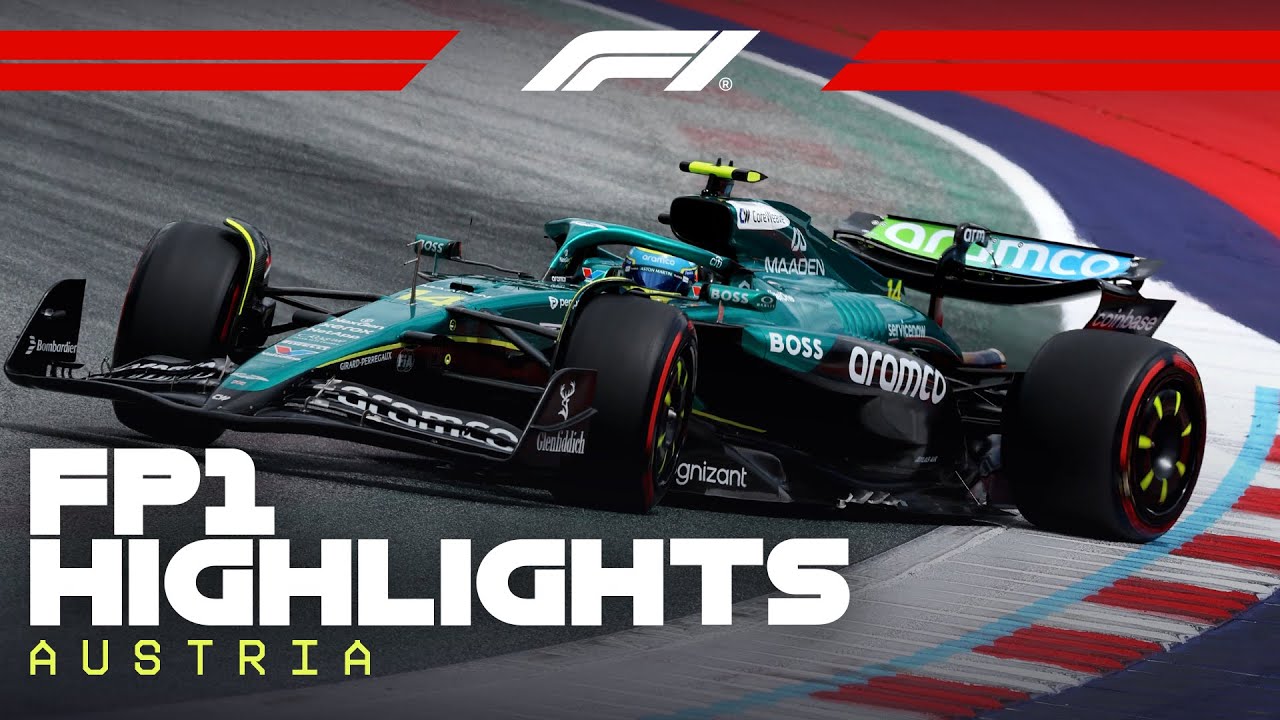
Highlights
- Six rookie drivers to participate in Austrian GP FP1 session
- Ferrari’s Dino Beganovic replaces Charles Leclerc in SF-26
- Jak Crawford drives Aston Martin AMR26 instead of Lance Stroll
- Ryo Hirakawa pilots Haas VF-26, substituting for Esteban Ocon
- Alpine’s Paul Aron and Williams’ Luke Browning also feature
- Rookies fulfill FIA FP1 mandates and gain Formula 1 experience
Six rookie drivers will run FP1 at the Austrian Grand Prix at the Red Bull Ring, advancing teams’ 2026 rookie mandates.
FIA rules require each car to field a rookie in two FP1s. That totals four rookie sessions per team across the season.

FIA rules demand two FP1 rookie runs per car, totalling four per team in 2026.
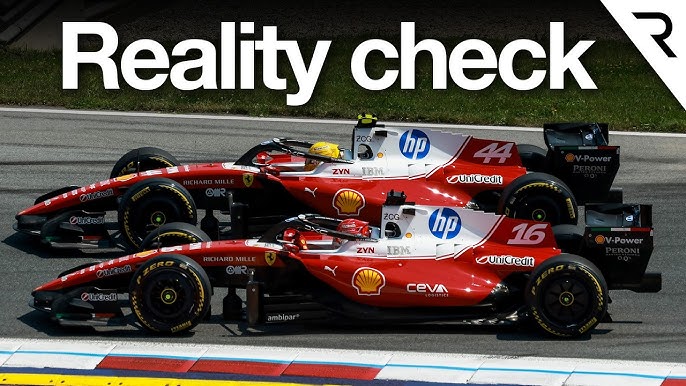
Ferrari fields Dino Beganovic in the SF-26, replacing Charles Leclerc. The Ferrari Driver Academy driver continues FP1 learning alongside Ferrari’s engine upgrade work for FP1.
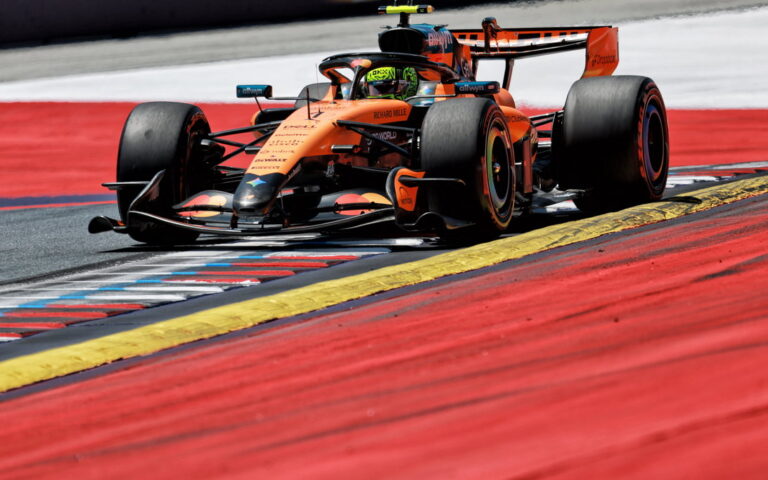
At Aston Martin, American reserve Jak Crawford takes the AMR26 from Lance Stroll. The team prioritises data gathering while advancing its junior pathway.
Racing Bulls runs Ayumu Iwasa in the RB26, substituting for Liam Lawson. His outing adds mileage during Red Bull’s Austrian GP weekend and supports simulator-to-track correlation.
Short-lap traffic at the Red Bull Ring magnifies execution; clean runs are a premium for rookies.
Ryo Hirakawa, the 2022 Le Mans winner, drives the Haas VF-26 instead of Esteban Ocon. The TGR Haas reserve imports endurance discipline and technical feedback skills.
Alpine turns to reserve Paul Aron for the R26, covering Gabriel Bortoleto. His parallel Audi testing arrangement informs his approach to procedures and development runs.
Williams hands the FW48 to Luke Browning in place of Carlos Sainz. The academy driver focuses on baseline aero, traffic management, and tyre preparation.
Teams prioritise correlation and feedback quality over outright lap time in rookie FP1 programmes.
Teams typically assign structured run plans. Expect install laps, aero rakes, medium-tyre balance work, and short long-runs to benchmark updates without compromising grand prix preparation.
The Red Bull Ring’s short lap compresses traffic windows. Clean air is scarce, so rookies must manage push laps carefully to produce representative data.
Hot conditions could shape tyre behaviour and braking stability, testing adaptability. That context frames expectations for rookie execution under pressure, as highlighted by Austrian GP heat analysis.
Front-line drivers sacrifice track time, but teams gain mandated mileage and future options. Early completion eases calendar pressure and broadens evaluation for 2027 seats and reserve depth.
Outcome metrics extend beyond lap time. Consistency, engineering feedback quality, and procedural discipline will decide who earns further outings later in the season.
Visual Summary
?
Dino Beganovic
Ferrari
?
Jak Crawford
Aston Martin
?️
Ayumu Iwasa
Racing Bulls
?
Ryo Hirakawa
Haas
?
Paul Aron
Alpine
✨
Luke Browning
Williams
Six Rookies, One FP1 Stage
The future of F1 steps up at the Red Bull Ring
The future of F1 steps up at the Red Bull Ring
?
FP1 2026
?
Rookie Watch!
Each team reveals fresh talent in Austria. Let’s see who rises on F1’s next big test.
Each team reveals fresh talent in Austria. Let’s see who rises on F1’s next big test.

Daniel Miller reports on Formula 1 Grand Prix weekends with race-day analysis, team-radio highlights, and point-standings updates. He explains power-unit upgrades, aerodynamic developments, and driver rivalries in straightforward, SEO-friendly language for a global F1 audience.
Related FervoGear guide: custom race suits built for driver protection, custom fit, and sponsor-ready design.