https://shop.fervogear.com/cart

F1 Teams Gear Up for Intense Austrian Grand Prix Challenge

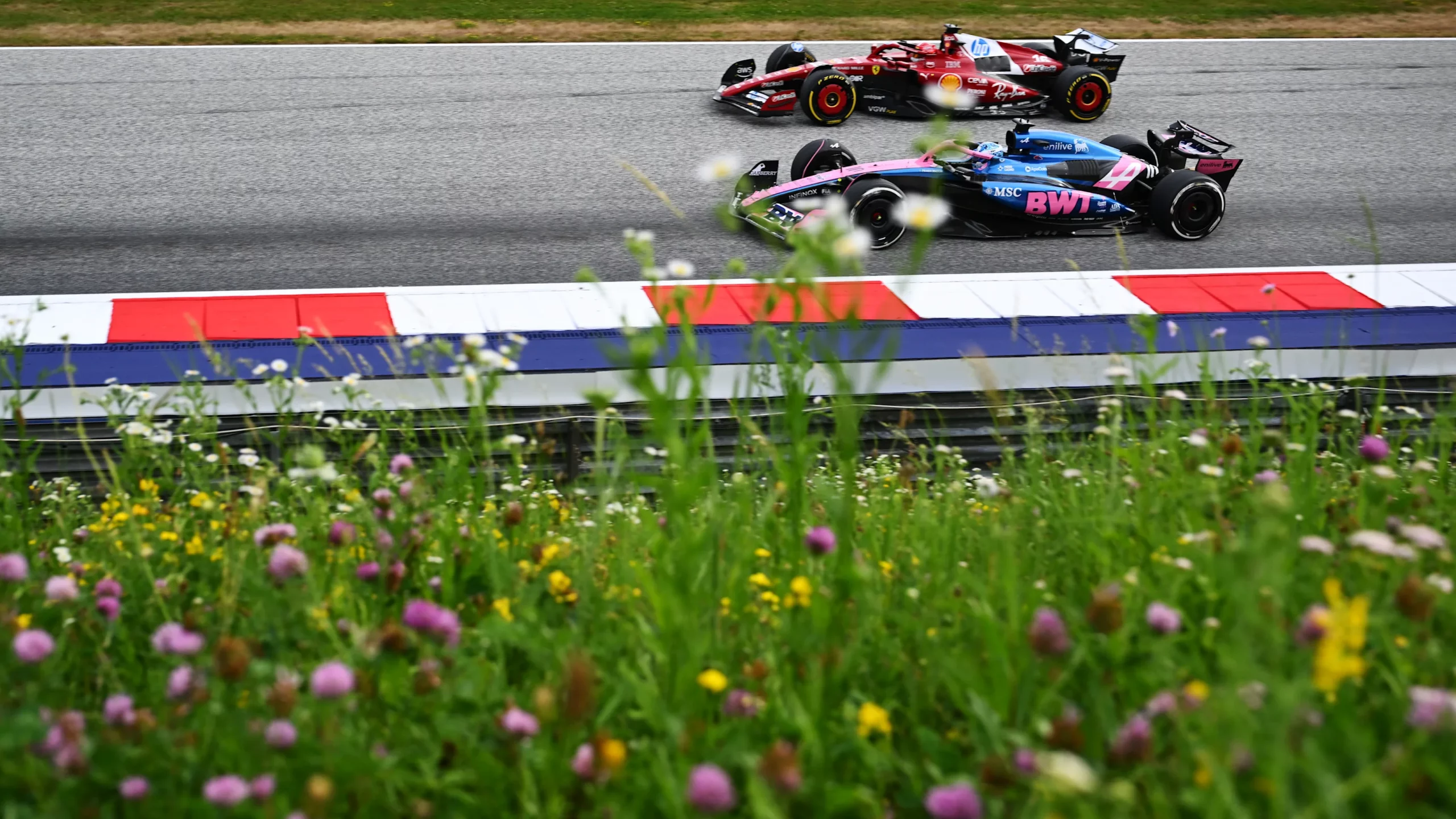
Highlights
- Red Bull Ring challenges power units with high heat and altitude.
- 2026 regulations triple electrical output demands on power units.
- Mercedes updates battery control software after multiple failures.
- Ferrari aims progress with SF-26 and third power unit.
- Battery reliability issues prominent amid intense track conditions.
- Austria GP crucial for driver and constructor championship momentum.
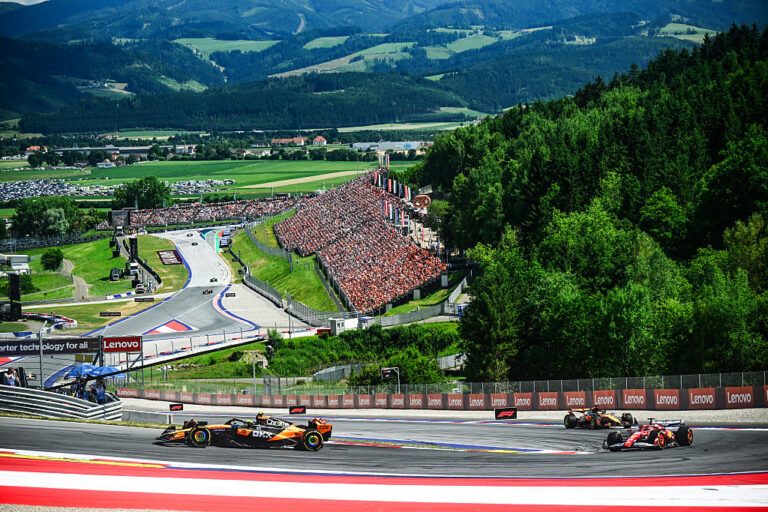
The Austrian Grand Prix at the Red Bull Ring presents 2026’s sternest power unit test, with heat, altitude, and new rules converging to punish cooling, energy management, and reliability.
Short straights bookend a demanding middle sector. The layout creates repeated high-load bursts and limited recovery time, stressing combustion efficiency, hybrid deployment, and brake cooling across every stint.

Regulatory shifts amplify that burden. Electrical output demands have tripled for 2026, forcing teams to rebalance ICE and ERS usage while protecting temperatures and managing state-of-charge windows.
2026 regulations triple electrical output, reshaping ICE‑ERS balance and tightening thermal operating margins.
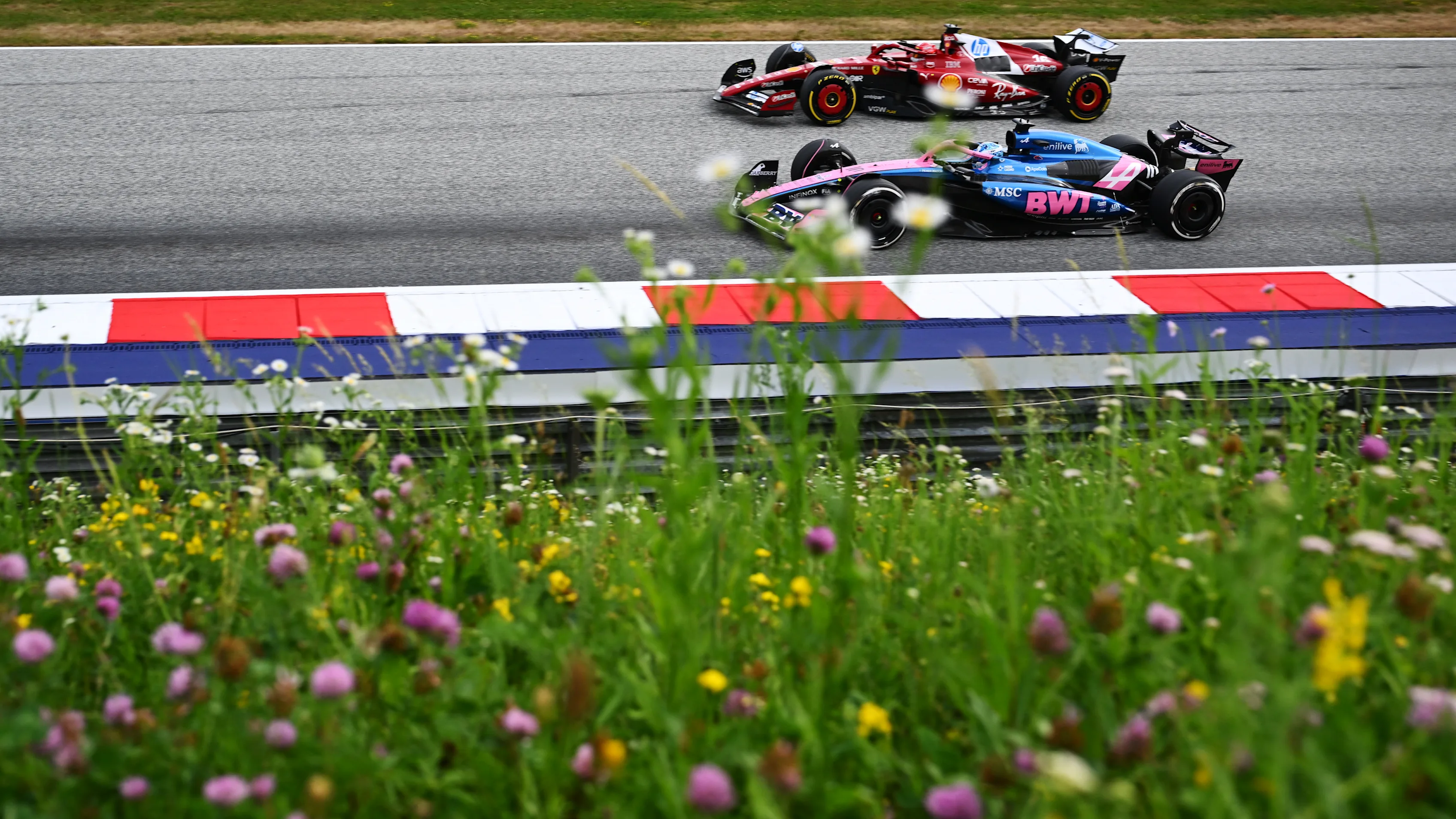
High ambient temperatures in Spielberg stretch cooling capacity and narrow set-up options, as outlined in the Austrian Grand Prix weather report and reinforced by recent FIA guidance on Austrian GP heat.
At roughly 700 metres, thinner air cuts combustion efficiency by around 8–10% and reduces cooling effectiveness by about 12%, pushing teams toward wider bodywork and conservative mapping.
Altitude at the Red Bull Ring trims combustion efficiency by 8–10% and cooling performance by about 12%.
The stop‑and‑go profile increases battery cycling. Regeneration opportunities are fewer and less forgiving than in Montreal, elevating overheating risk when combined with high track and ambient temperatures.
Battery reliability defines much of 2026 so far. Mercedes has revised its battery control software, following failures in Barcelona and Canada that compromised George Russell and Kimi Antonelli.
Mercedes pivots to battery control software updates after failures in Barcelona and Canada impact Russell and Antonelli.
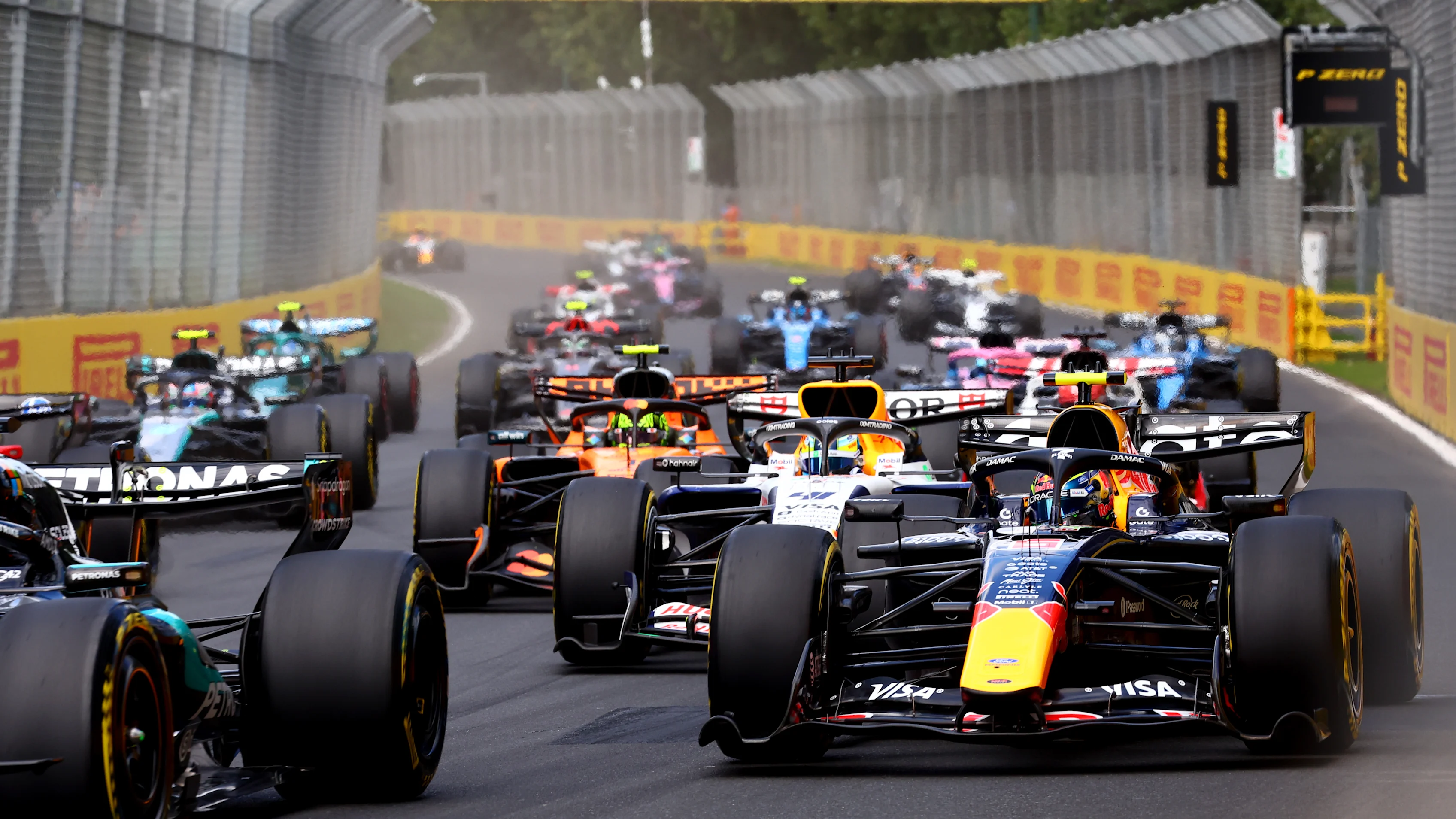
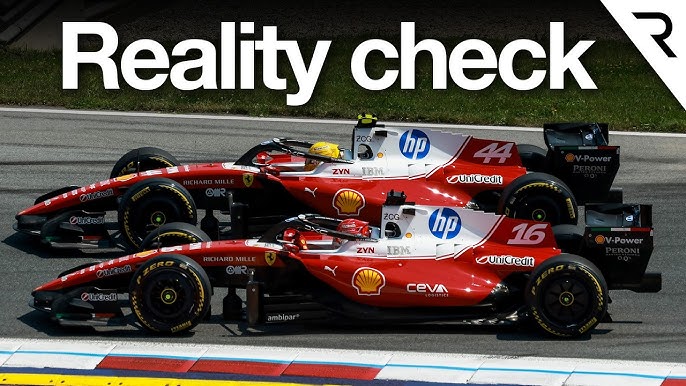
Ferrari targets progress with the SF‑26 and its third power unit, featuring the ADUO system. That theme runs through the Austrian Grand Prix build-up as the team measures gains against Mercedes.
Tighter integration between power units, aerodynamics, and chassis in 2026 magnifies trade‑offs. Pursuing downforce or mechanical grip can tax cooling capacity and energy systems, inviting penalties over a race distance.
Home advantage raises expectations for Red Bull. Momentum in both championships is at stake, and Lewis Hamilton senses chances to close the gap, as charted since the 2026 F1 Austrian start.
Visual Summary
High Altitude (700m) ⛰️
?
Battery Stress!
?
Thinner air ↓ 8-10% power
Electrical Output
x3!
Cooling Loss
-12%
Battery Risk
HIGH
Mercedes
vs
Ferrari
vs
Red Bull
vs
Ferrari
vs
Red Bull
Reliability battle shapes title fight
?️
The 2026 Austrian Grand Prix: The Ultimate Power Unit Endurance Test

Daniel Miller reports on Formula 1 Grand Prix weekends with race-day analysis, team-radio highlights, and point-standings updates. He explains power-unit upgrades, aerodynamic developments, and driver rivalries in straightforward, SEO-friendly language for a global F1 audience.
Related FervoGear guide: custom race suits built for driver protection, custom fit, and sponsor-ready design.