https://shop.fervogear.com/cart

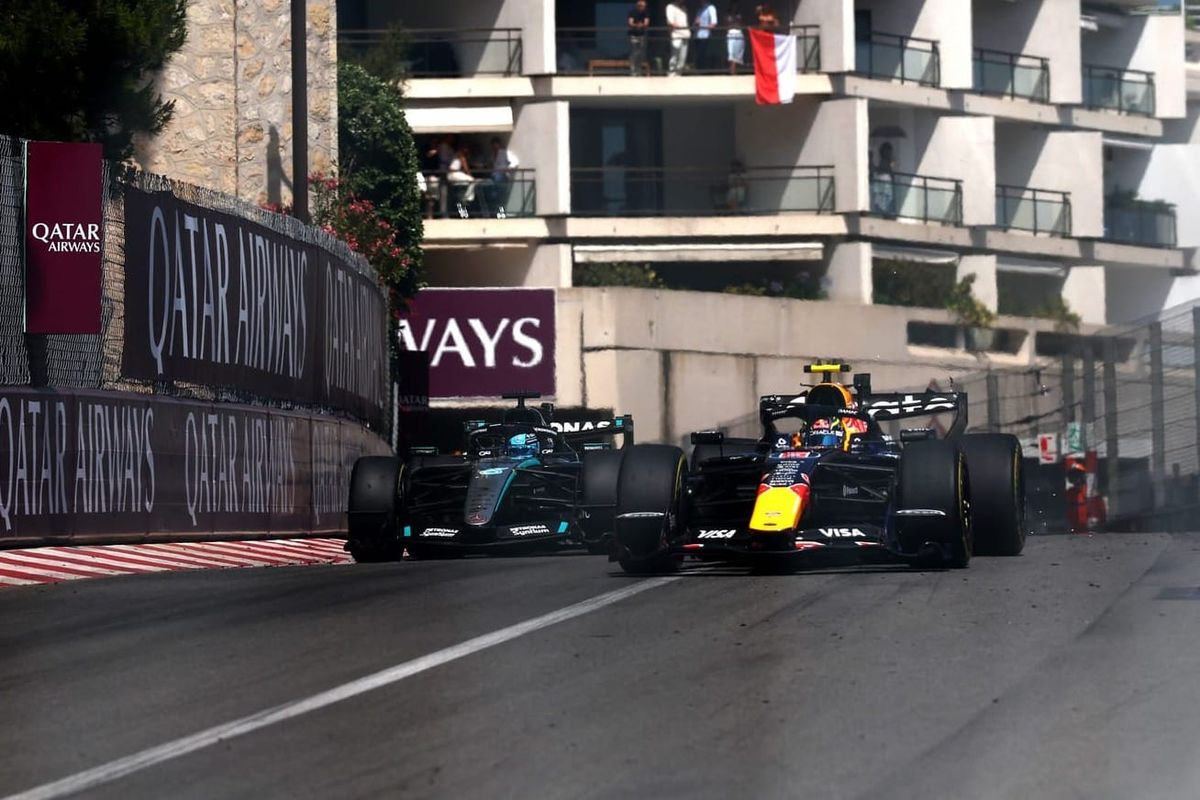
Red Bull Battles to Escape F1 ADUO Trap Threat

Highlights
- FIA’s ADUO system limits Red Bull’s engine development upgrades.
- Red Bull leads ICE performance by over 2% versus Mercedes.
- Current FIA review ongoing after Monaco to Hungarian Grands Prix.
- Rivals may improve non-ADUO engine areas to block Red Bull.
- Red Bull prepares for no change but urges accurate ADUO data.
- Upgrades granted impact current and next F1 seasons’ competitiveness.
Red Bull faces a strategic squeeze under the FIA’s ADUO framework, as the Monaco‑to‑Hungary review threatens to freeze power unit development because it currently sets the ICE benchmark.
FIA analysis after five races shows Red Bull’s ICE leads Mercedes by over 2%, and exceeds the rest by more than 4%, restricting eligibility for development windows.

Under ADUO, upgrade opportunities open only if rivals surpass the benchmark by at least 2%, leaving Red Bull dependent on competitors’ gains to access meaningful engine changes.
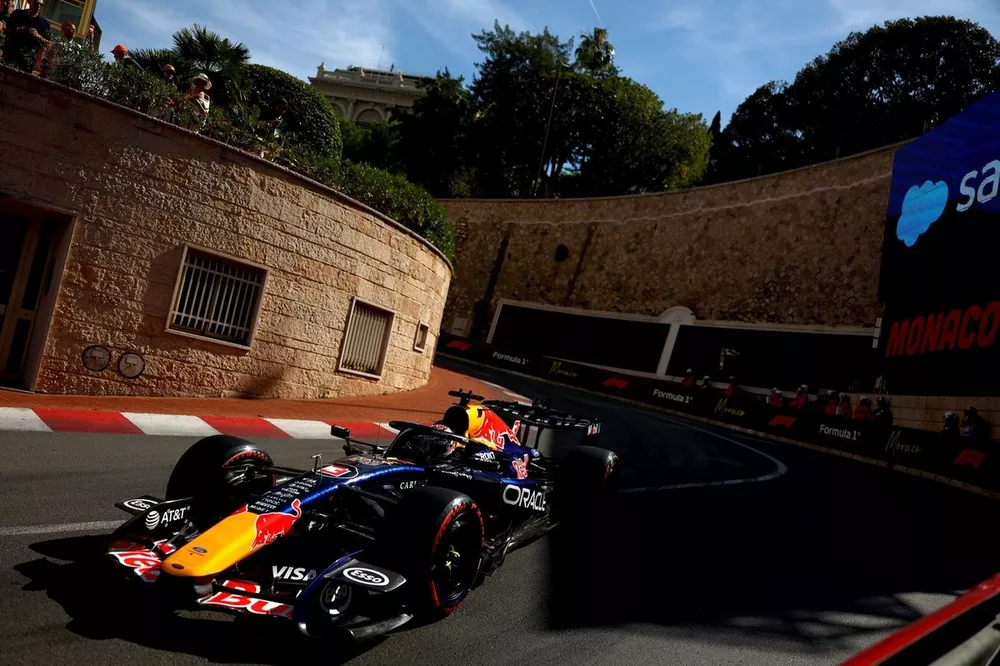
FIA data indicates Red Bull’s ICE advantage exceeds 2% over Mercedes and 4% over the rest.
Red Bull has challenged the accuracy of the ADUO dataset, triggering a two‑week review, yet indications so far suggest the original conclusions remain intact.
The team prepares for no change in classification, wary that a misstep now could compromise performance across 2026 and 2027.
Rivals can also game the system by targeting non‑ranked areas. Audi’s Barcelona update improved drivability without raising power figures, as Gabriel Bortoleto explained.
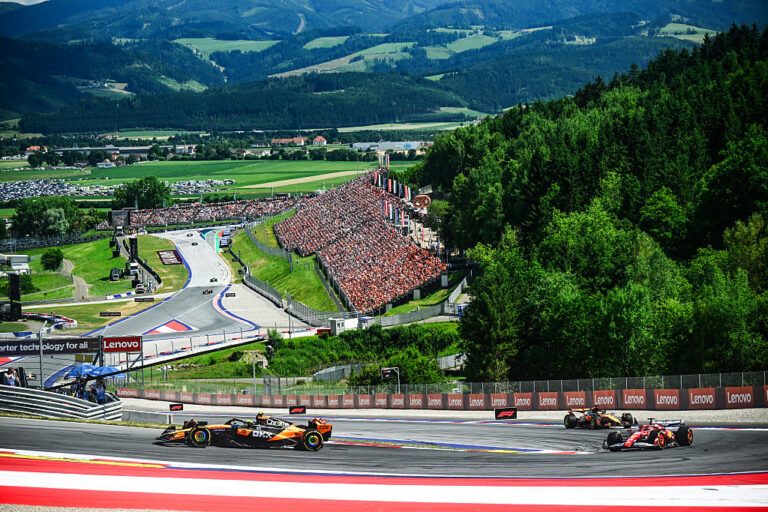
At the Austrian Grand Prix, team principal Laurent Mekies acknowledged the risk, accepting that savvy rivals could stall Red Bull’s engine progress and cap its ability to climb the grid.
Mekies: Better to wait for the correct ADUO ruling than commit to a path that harms 2026‑27 performance.
Mekies prioritizes accuracy over speed. Red Bull keeps its development plan unchanged until the FIA confirms the competitive order.
ADUO evaluates manufacturers across defined windows during the season, with the current span running from Monaco to Hungary, per the FIA’s ADUO ruling, which defines eligibility thresholds.
For Red Bull to gain scope for upgrades, rivals must outperform its ICE by at least 2% across this window, not merely close the gap.
Only Audi and Ferrari have used ADUO to introduce engine developments so far, with Ferrari downplaying the significance of its latest step.
Because approved changes carry into the current and next seasons, decisions in this window shape multi‑year competitiveness.
ADUO‑approved upgrades apply across two seasons, amplifying the competitive impact of each decision.
Patience, Mekies argues, beats haste. A short delay now outweighs the cost of pursuing the wrong concept through 2026 and 2027.
That calculation feeds a broader contest between regulation and competition, where tactical development choices could decide momentum, as underlined by Max Verstappen’s recent warning for Red Bull.
The FIA’s ruling from this window determines whether Red Bull sustains its advantage or rivals engineer a shift by excelling in ICE performance.
Amid that uncertainty, questions about Red Bull’s long‑term future in F1 persist, even as the team prioritizes clarity on ADUO now.
Visual Summary
?
Red Bull Locked Out:
Rivals Hold the Key to Engine Upgrades
Rivals Hold the Key to Engine Upgrades
ICE Performance Edge: +2% Ahead of Mercedes, +4% vs Rest
?
Locked Until:
Rivals Catch ( >2% Faster)
Rivals Catch ( >2% Faster)
Red Bull leads in engine power—but now stuck, unable to upgrade, unless Mercedes, Ferrari, Audi outpace them.
If rivals play it smart, Red Bull stays trapped,
risking a performance freeze through 2027.
Rivals are focusing on upgrades that don’t boost ICE speed (like ? drivability), blocking Red Bull’s chance for new improvements through the FIA’s ADUO rule.
If rivals play it smart, Red Bull stays trapped,
risking a performance freeze through 2027.
Red Bull’s lead has become their cage— until rival teams unlock the upgrade window, their engine innovation is on hold.

Daniel Miller reports on Formula 1 Grand Prix weekends with race-day analysis, team-radio highlights, and point-standings updates. He explains power-unit upgrades, aerodynamic developments, and driver rivalries in straightforward, SEO-friendly language for a global F1 audience.
Related FervoGear guide: custom race suits built for driver protection, custom fit, and sponsor-ready design.