https://shop.fervogear.com/cart

F1 Drivers Face High-Stakes Gamble for Austrian GP Win

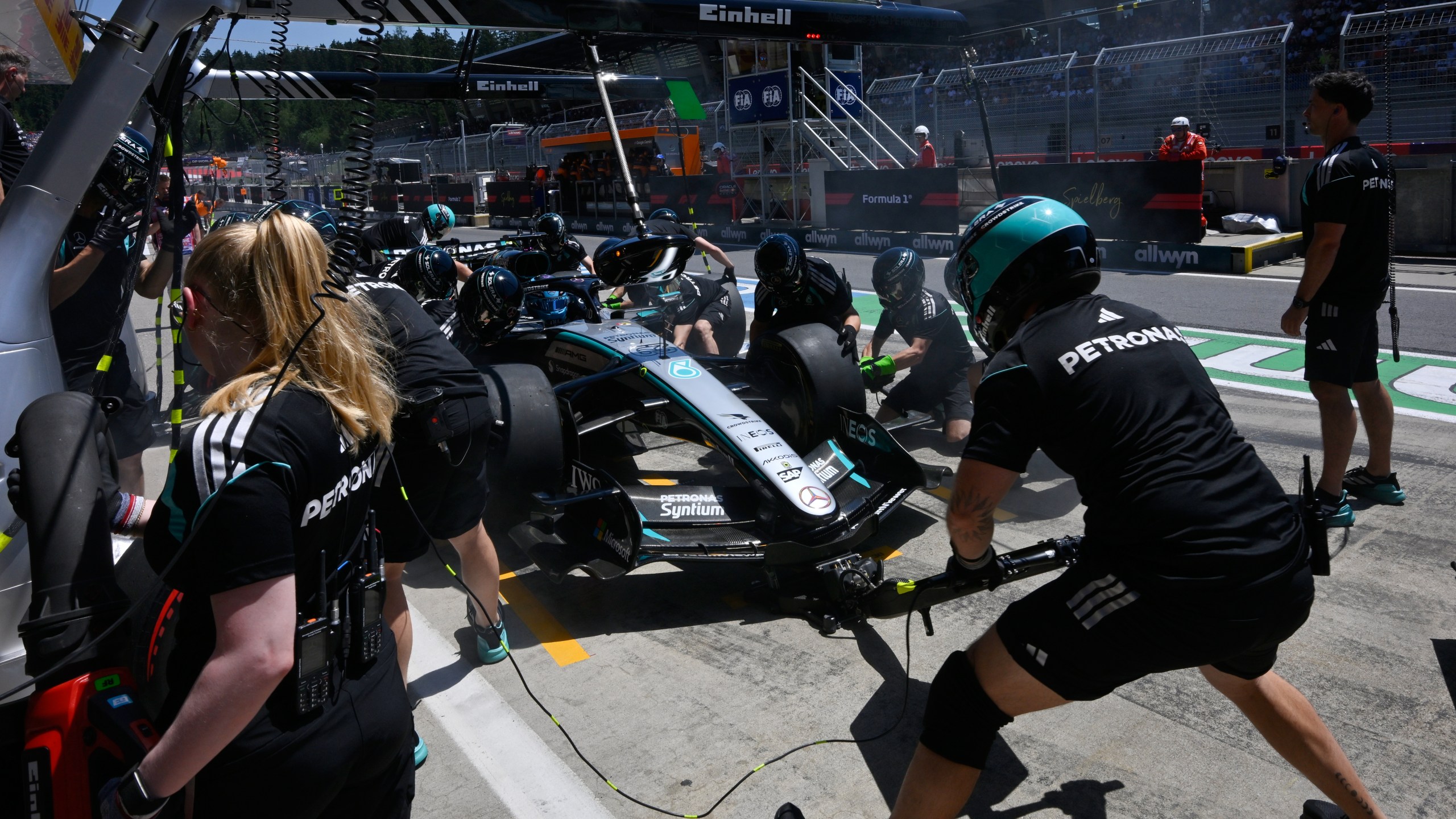
Highlights
- George Russell starts on pole; Leclerc and Hamilton follow closely.
- Track temperatures may exceed 50°C, challenging tyre management.
- Pirelli provides softest tyres: C3 hard to C5 soft compounds.
- Two-stop strategy favored, with pit stops around laps 18-25 and 45-55.
- Three-stop strategy is risky but could yield gains with swift undercuts.
- Austrian GP will test strategy and bravery under extreme heat conditions.
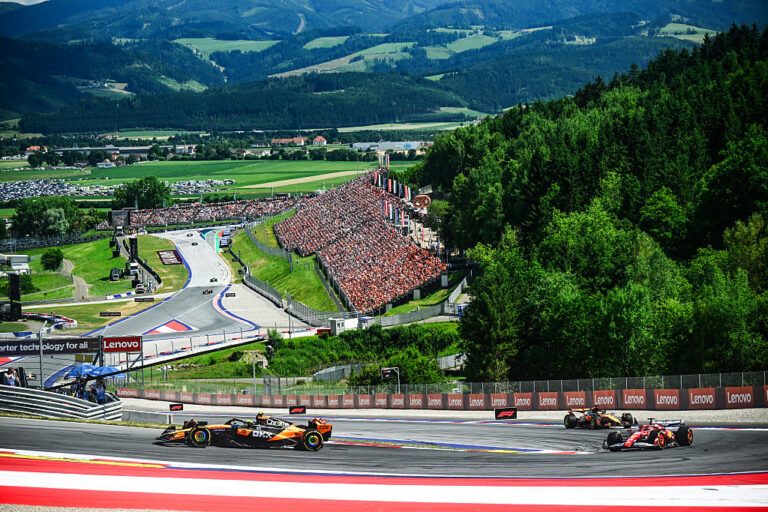
George Russell leads the field from pole at the Red Bull Ring, with extreme heat set to define the Austrian Grand Prix. Tyre management is the decisive variable on Sunday.
Forecast track temperatures could top 50°C, exposing any weakness in thermal degradation. On a short lap, traffic and DRS trains magnify strategy choices and punish overuse.

The front row features Russell and Charles Leclerc, with Lewis Hamilton third. Kimi Antonelli starts fourth, while Max Verstappen lines up fifth after a Turn 9 qualifying crash.
Pirelli brings its softest range: C3 as hard, C4 as medium, C5 as soft. That increases peak grip but heightens the risk of thermal fade and front graining.
The baseline expectation is a two-stop. The conservative route starts on the medium, then moves to the hard for two controlled stints.
Pit windows of roughly laps 18–25 and 45–55 align with the preferred two-stop for the leaders.
Those deeper in the pack may flip the script with a soft-tyre start. Early track position is possible, but heat and traffic can accelerate degradation later.
A bold three-stop remains on the table. A soft–medium–hard–soft sequence demands sustained pace to offset about 20 seconds in extra pit time.
The undercut is potent here, especially if an early stop releases a driver into clear air.
Pirelli motorsport director Dario Marrafuschi argues timing is everything. If clean laps are available, the three-stop can defeat a conservative two-stop.
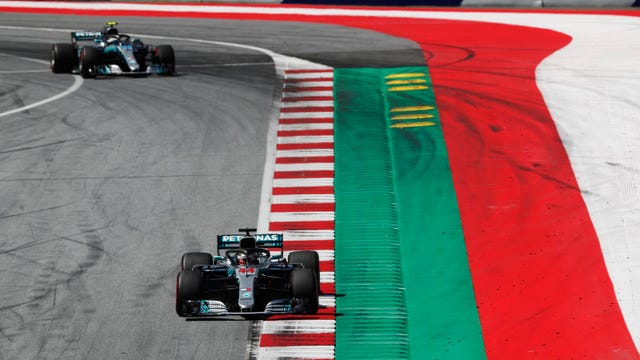
Clear air is the performance lever. Short, intense stints on fresh tyres can beat track position, provided overtakes are not unduly costly.
Thermal stress will hit rear tyres hardest on the traction zones out of Turns 1, 3, and 4. Pace must stay below the cliff to preserve stint length.
Each extra stop carries a 20-second penalty, so raw pace must compensate decisively.
For the leaders, a measured first stint should protect track position and tyre life. That suits Russell, who can control tempo from the front.
Opportunists will watch for undercut windows and any Safety Car. A well-timed stop could flip the race as tyres cross key degradation thresholds.
The strategic picture mirrors recent trends at the Red Bull Ring. Aggression can pay, but only with impeccable timing and disciplined tyre control.
Expect a balance of caution and risk as teams weigh heat, traffic, and pit windows. The outcome may hinge on a single lap of decisive timing.
The Austrian Grand Prix sits at the intersection of tyre limits and track position. It will reward those who manage both without compromise.
The front-row match-up and compact lap invite volatility. The strategy playbook, explored in detail in pre-race analysis, leaves room for a late swing.
Starting order remains influential, as outlined in the updated grid overview, but tyre life will decide who converts.
Whichever route teams choose, timing and discipline should determine which contender capitalises in this heat-stressed round of the 2026 season.
Visual Summary
?50°C
Tyre Gamble at the Red Bull Ring
Blistering heat forces teams into a
high-risk tyre chess
?️
– will anyone dare a three-stop attack?
Two-Stop Strategy
Lap 18-25 & 45-55
/
Three-Stop Gamble
Faster, but costlier
1
Russell
Mercedes
2
Leclerc
Ferrari
3
Hamilton
Mercedes
4
Antonelli
5
Verstappen
Quali Crash
Who will master the tyre gamble under the Austrian sun?

Daniel Miller reports on Formula 1 Grand Prix weekends with race-day analysis, team-radio highlights, and point-standings updates. He explains power-unit upgrades, aerodynamic developments, and driver rivalries in straightforward, SEO-friendly language for a global F1 audience.
Related FervoGear guide: custom race suits built for driver protection, custom fit, and sponsor-ready design.